
What's Included in a Commercial Boiler Service Agreement?
A commercial boiler service agreement can give a facility a structured approach to ongoing maintenance. Instead of addressing problems only after they occur, an agreement establishes scheduled services, inspections, documentation, and response expectations. The exact scope varies by facility, but a well-designed boiler service agreement should address the equipment's condition, operating demands, and maintenance priorities.
A service agreement should also clarify what the provider will do and when. Clear expectations help facility teams plan maintenance spending and reduce uncertainty when service needs arise.
What Does a Boiler Service Agreement Cover?
The scope should reflect the specific boiler system and its operating environment. A basic agreement may include scheduled inspections and preventive maintenance. More comprehensive agreements can include burner service, controls, valves, steam traps, troubleshooting, and emergency response.
The agreement should identify the equipment covered by the contract. This may include one boiler, multiple boilers, burners, controls, pumps, and related steam system components. It should also define service frequency. Some facilities need monthly visits, while others may require quarterly or semiannual service based on equipment condition and operating demands.
A written scope prevents confusion later. It also helps maintenance teams determine which services fall within the agreement and which require separate authorization.
1) Scheduled Boiler Inspections and Maintenance
Routine inspections form an important part of preventive maintenance. Technicians can evaluate equipment condition, identify developing problems, and recommend corrective work before failures occur. Texas requires boilers to receive periodic inspections under the Texas Boiler Law and Rules. TDLR states that inspection intervals can occur every 12, 24, or 36 months, depending on the boiler type.
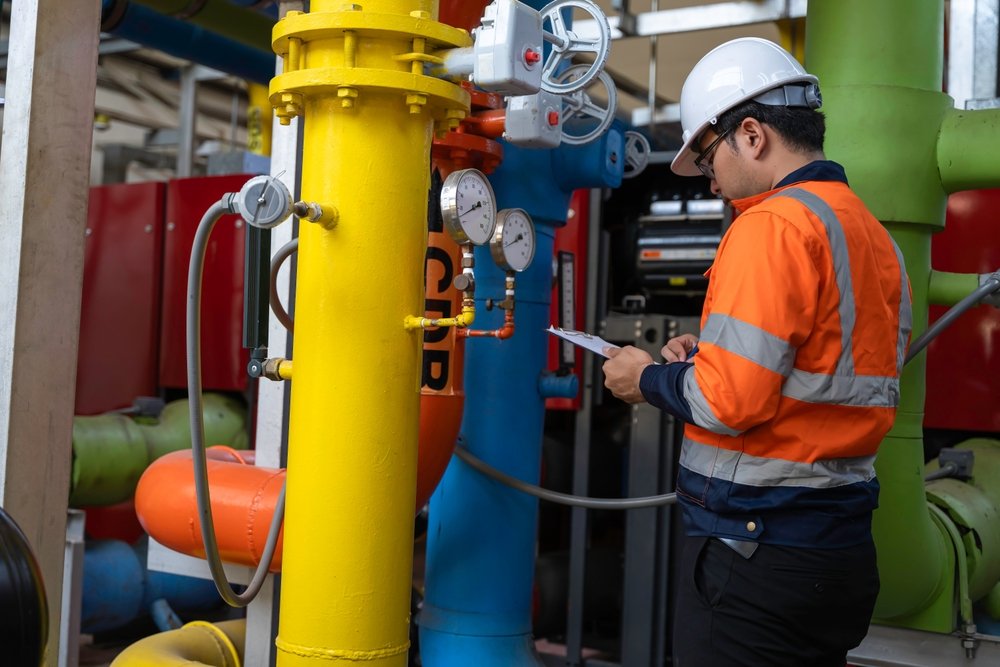
A service agreement does not replace required regulatory inspections. Instead, routine maintenance can help keep equipment prepared for those inspections.
Regular evaluations can also reveal issues that may otherwise remain hidden. Facilities can address these concerns before they become larger repairs or unexpected shutdowns. For additional context, routine boiler inspections can help identify developing problems and support long-term equipment reliability.
2) Burner and Combustion Service
Burner performance directly affects boiler operation. A service agreement may include combustion testing, burner adjustments, component inspections, and related troubleshooting. Technicians can evaluate flame characteristics, controls, fuel delivery, and other combustion-related components. These checks can identify conditions that affect reliability or operating performance.
The agreement should specify how often these services occur. It should also explain whether adjustments and replacement parts fall within the standard service scope. Combustion service becomes particularly important when operating conditions change. Changes in fuel, load, or equipment configuration can affect burner performance.
3) Controls and Safety Device Checks
Boiler controls help regulate operation and respond to abnormal conditions. Safety devices provide another layer of protection when pressure, temperature, water level, or combustion conditions move outside acceptable ranges.
A service agreement should identify which controls and safety components technicians will inspect. Depending on the system, these may include limit controls, low-water cutoff devices, flame safeguards, pressure controls, and related interlocks.
Texas regulators emphasize the importance of properly functioning controls and safety devices. TDLR identifies missing or inoperative controls and safety devices as contributors to boiler accidents. Documentation should accompany these checks. Service records can show when technicians evaluated critical components and what corrective actions followed.
4) Steam Traps, Valves, and Related Components
Boiler maintenance should extend beyond the boiler itself. Steam distribution equipment can affect system efficiency, reliability, and operating costs.
A service agreement may include inspections of steam traps, valves, piping, and other related components. Technicians can identify leaks, corrosion, failed traps, and other conditions that affect steam distribution.
Failed steam traps can increase fuel use, cause unstable pressure, trigger water hammer, and reduce system performance. Regular testing can identify these problems before they create larger operational issues.
Facilities dealing with recurring trap problems can also review common steam trap failures as part of their maintenance planning. Steam leaks deserve similar attention. Leaking components can increase boiler workload and contribute to conditions that affect inspection readiness.
5) Emergency Service and Response
A service agreement may include emergency response provisions. These terms should clearly explain how the provider handles unexpected boiler failures. Response expectations should identify available service hours, communication procedures, and any applicable emergency service charges.
Facilities should understand these terms before an outage occurs. Emergency planning can also include procedures for safely taking equipment offline. Clear boiler emergency shutdown procedures can help operators respond when abnormal conditions create an immediate safety concern.
Some agreements may also include temporary boiler support. Rental equipment can maintain essential steam service when permanent equipment requires extensive repairs.
6) Documentation and Service Records
Documentation should be central to any boiler service agreement. Service records provide a history of inspections, repairs, recommendations, and completed maintenance. Good documentation can also support regulatory preparation. TDLR notes that inspection processes involve records and verification of corrected violations.
A service report should identify the equipment inspected and work performed. It should also document deficiencies and recommended corrective actions. Clear records make future planning easier. Maintenance teams can track recurring issues and use that information to develop capital budgets or evaluate equipment replacement.
7) Repair Recommendations and Approval
A service agreement should clearly distinguish routine service from additional repairs. Not every issue discovered during maintenance will fall within the standard agreement. The provider should document recommended repairs and explain why they are necessary.
The provider should also provide costs before starting additional work. This approach gives facilities control over unplanned spending. It also creates a clear record of what the agreement covers and what requires separate approval.

A transparent process becomes especially valuable when technicians discover significant equipment deficiencies. Facility teams can then evaluate repair, upgrade, or replacement options based on documented information.
What Should Facilities Review Before Signing?
Before signing a boiler service agreement, review the scope carefully. Confirm the equipment covered, service frequency, response expectations, documentation requirements, and additional charges. The agreement should also reflect the facility's operating schedule.
A system supporting continuous production may need different service provisions than equipment operating seasonally. Ask how the provider handles parts, emergency calls, recommended repairs, and follow-up work. Clear answers reduce uncertainty when the system requires attention.
Finally, review the agreement alongside maintenance records and inspection requirements. This creates a more complete picture of what the facility needs from ongoing service.
Build a Service Agreement Around the Boiler's Needs
A boiler service agreement should provide a practical framework for maintaining equipment, documenting its condition, and addressing problems before they disrupt operations. The strongest agreements reflect the actual boiler system rather than relying on a generic checklist.
Boiler Pros works directly with facility teams to evaluate equipment, discuss maintenance needs, and develop practical service solutions. We can provide inspections, repairs, burner services, control work, steam trap support, and other complete boiler solutions based on the facility's requirements.
We document every recommendation and project change before work begins. That approach gives facility teams a clear understanding of the work, costs, and next steps. Contact us today to get a free quote.