Emergency Shutdown Procedures for Industrial Boiler Systems
Industrial boilers support essential processes in many facilities, including food packaging plants, hospitals, manufacturing operations, hotels, airports, and specialty production environments. These systems operate under controlled pressure and temperature conditions, which makes safety procedures a priority for facility teams. A clear boiler emergency shutdown process helps protect personnel, equipment, and operations when abnormal conditions occur.
While boilers are designed with multiple safety systems, emergencies can still develop. Mechanical failures, water supply interruptions, fuel system problems, or control malfunctions may require immediate action. Maintenance teams and operators must know how to respond quickly to prevent equipment damage and maintain a safe environment.
When a Boiler Emergency Shutdown May Be Necessary
A boiler emergency shutdown occurs when operating conditions create a potential safety risk. These situations typically involve system conditions that cannot be corrected through normal operational adjustments.
Several scenarios may require an emergency shutdown. These include sudden pressure spikes, loss of water supply, fuel system failures, or malfunctioning safety controls. Visible leaks, unusual noises, or strong odors may also indicate a serious problem within the system.
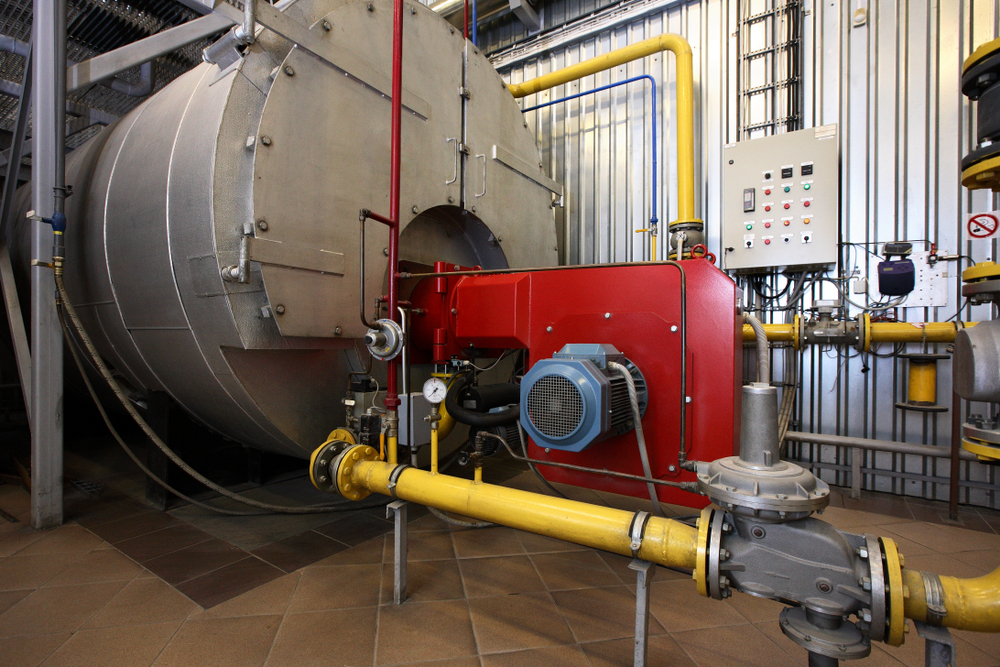
Operators who monitor system indicators closely often recognize these warning signs early. Pressure gauges, temperature readings, alarms, and control panels provide valuable information about system conditions. When these indicators suggest unsafe operation, shutting down the boiler promptly helps prevent further damage.
The Importance of Clear Boiler Emergency Shutdown Procedures
Every facility operating industrial boilers should maintain documented shutdown procedures that operators can follow during emergencies. These procedures help ensure that personnel take consistent actions during high-pressure situations.
Clear instructions reduce confusion and allow teams to act quickly. Operators should know which controls to activate, how to isolate fuel sources, and how to stop the burner safely.
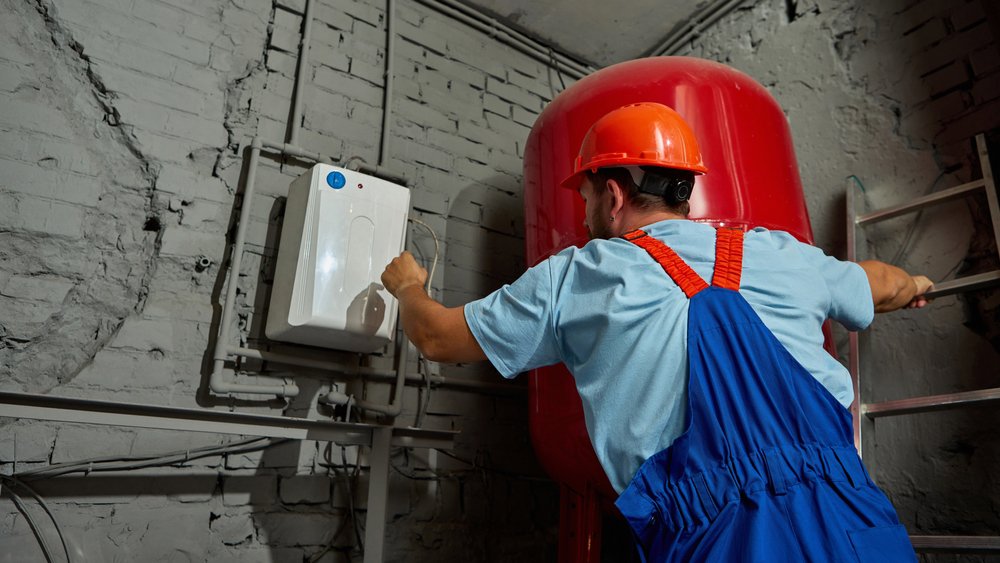
Emergency procedures also identify communication protocols. Maintenance teams, supervisors, and facility managers need to receive timely updates about the situation so they can coordinate the next steps.
Facilities that review these procedures regularly help ensure that operators remain familiar with them before an emergency occurs.
Key Steps in a Boiler Emergency Shutdown
Although each boiler system has unique features, most emergency shutdown procedures follow a similar sequence. These steps prioritize safety and equipment protection.
First, operators stop the burner to halt heat generation. This action prevents further pressure buildup and begins stabilizing system conditions.
Next, the fuel supply is isolated to ensure that additional fuel cannot enter the system. Shutting off the fuel source helps eliminate fire risks and prevents unintended ignition.
Operators then monitor system pressure and water levels to confirm that conditions begin stabilizing. Control panels and gauges provide immediate feedback during this phase.
In many facilities, operators notify maintenance personnel and supervisors immediately after initiating the shutdown. This communication ensures that the appropriate teams can investigate the issue and begin corrective actions.
Each facility’s procedures may include additional steps depending on the design and configuration of the boiler system.
Protecting Personnel During Shutdown Events
Safety always remains the top priority during a boiler emergency shutdown. Operators should maintain a safe distance from equipment that may be experiencing high pressure or mechanical stress.
Personal protective equipment often plays an important role during these situations. Protective clothing, gloves, eye protection, and other safety gear help reduce exposure to heat, steam, or other hazards.
Facility teams also need clear evacuation protocols if the situation escalates. Supervisors should ensure that employees understand safe exit routes and assembly points if conditions require building evacuation.
Regular safety training reinforces these procedures and helps personnel remain calm and focused during emergencies.
Investigating the Cause of the Shutdown
After the boiler is safely shut down, the next step involves determining what caused the emergency condition. Maintenance teams review system readings, alarm history, and equipment conditions to identify the root cause.
Common issues may include malfunctioning controls, burner problems, water treatment deficiencies, or mechanical component failures. In some cases, external factors such as changes in system demand or operator error may contribute to the shutdown.
A thorough evaluation helps ensure that the issue is fully resolved before the boiler returns to service. Restarting the system without identifying the cause can lead to repeated shutdowns or further damage.
Facilities often rely on experienced specialists to assist with troubleshooting complex system problems.
Preventing Future Shutdown Events
While emergency shutdown procedures are essential, preventive practices help reduce the likelihood of these events occurring in the first place.
Routine inspections allow maintenance teams to identify developing issues before they escalate. Operators who monitor system readings consistently can recognize unusual patterns that may indicate equipment problems.
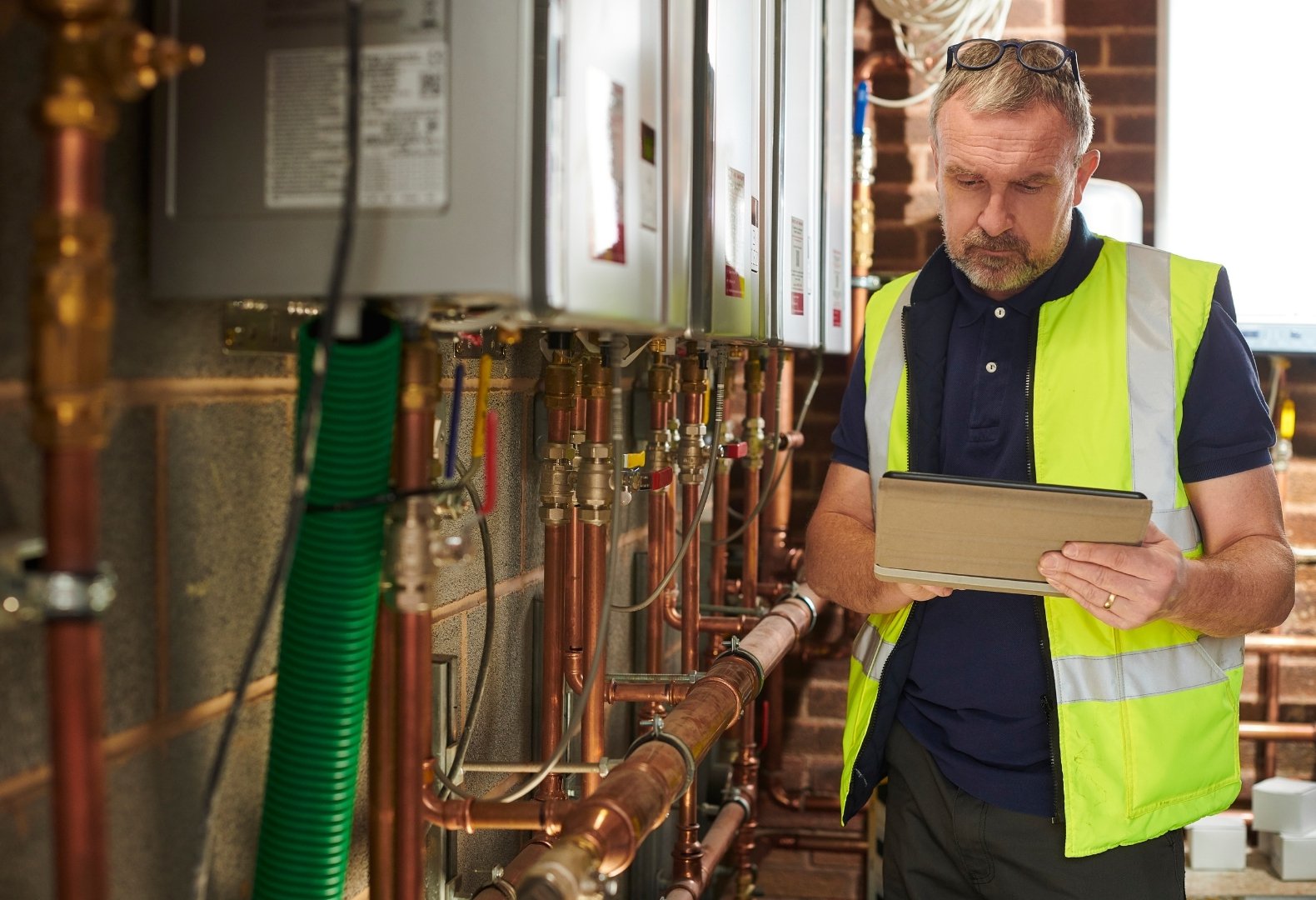
Preventive maintenance also plays a critical role. Regular servicing of burners, pumps, control systems, and safety devices helps ensure that the system operates within its intended parameters.
Training programs further strengthen prevention efforts. When operators understand system behavior and maintenance requirements, they are more likely to identify concerns early and report them promptly.
Facilities that combine monitoring, maintenance, and training often experience fewer emergency shutdown situations.
Preparing for Annual Boiler Inspections
Emergency shutdown procedures also support regulatory compliance. Inspectors often review safety systems, operating procedures, and maintenance documentation to confirm that boilers operate safely.
Facilities located in Texas can review inspection schedules through the Texas Department of Licensing and Regulation boiler database. This resource helps facility teams stay informed about upcoming inspections and regulatory expectations.
Maintaining clear documentation of shutdown procedures, maintenance activities, and system inspections helps demonstrate responsible boiler management during these evaluations.
Strengthening Boiler Safety Through Preparation
At Boiler Pros, we work directly with facility teams to evaluate boiler systems, address safety concerns, and develop practical operational strategies. As a disabled veteran-owned and operated company, we meet on-site with your team to review equipment, discuss operational needs, and design solutions tailored to your facility.
If an existing system experiences problems, we collaborate with your team to determine the best path forward. When systems go offline, we can arrange rental boilers to help keep your operations running with minimal disruption.
Every recommendation is documented clearly, and no changes occur without your approval. Does your facility need support in developing safety procedures or evaluating boiler performance? Contact us today.