Why Boiler Inspections?
Boilers play a critical role in many industries. Hospitals depend on them for sterilization and heating, manufacturing plants rely on steam for production processes, and food packaging facilities use boilers to support sanitation and processing systems. When these systems operate properly, they support daily operations with minimal disruption.
Because boilers operate under high pressure and extreme heat, they require regular oversight to ensure safe and reliable performance. Boiler inspections serve as a structured way to evaluate system condition, verify safety components, and identify potential problems before they become serious failures.
For facility managers, maintenance teams, and operations leaders, routine boiler inspections help protect personnel, equipment, and production schedules.
The Safety Purpose of Boiler Inspections
Boilers operate under conditions that demand constant monitoring. High temperatures, pressurized steam, and mechanical stress place continuous strain on internal components. Over time, these conditions can lead to corrosion, scale buildup, worn valves, or structural weakening.
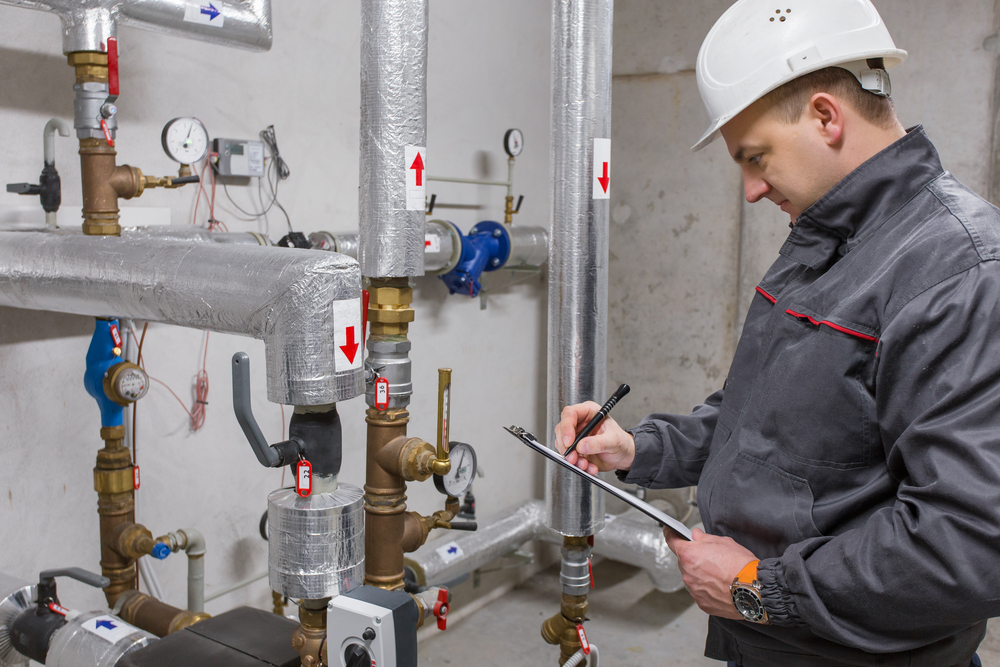
Boiler inspections allow trained professionals to evaluate these risks before they escalate. Inspectors review the condition of pressure vessels, piping, safety valves, combustion systems, and control equipment. They also examine operating records, maintenance documentation, and safety procedures.
This process helps ensure the system continues to meet required safety standards. When inspectors identify early signs of wear or damage, facilities gain the opportunity to correct the issue before it becomes a major safety concern. Regular inspections protect both workers and property while supporting safe boiler operation.
Maintain Compliance with State Regulations
In many states, boiler inspections are required by law. Regulatory agencies enforce these requirements to reduce the likelihood of equipment failures that could endanger employees or surrounding facilities.
Texas maintains a statewide program that requires routine boiler inspections for many commercial and industrial systems. These inspections confirm that equipment continues to meet approved safety standards and operating conditions. Facility managers can review inspection schedules and system records through the Texas Department of Licensing and Regulation boiler database.
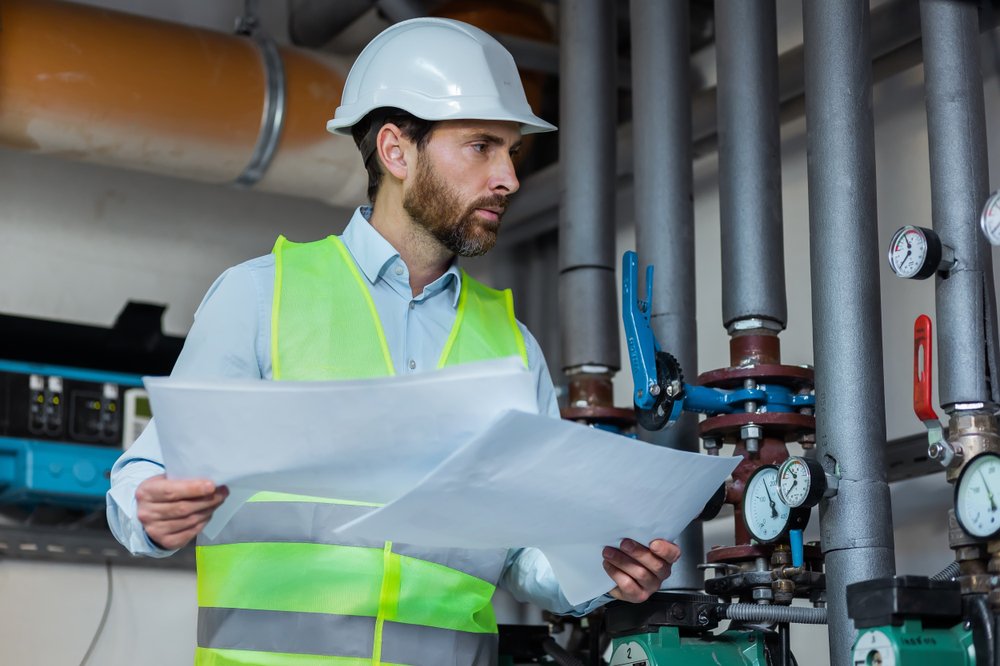
Maintaining compliance with inspection requirements helps facilities avoid regulatory penalties while demonstrating a commitment to safe operations. Organizations that track inspection deadlines and maintain complete documentation often experience smoother inspection processes.
Identifying Mechanical Problems Early
Many mechanical problems develop gradually inside boiler systems. Corrosion can slowly weaken metal surfaces, scale buildup can reduce heat transfer efficiency, and worn valves can affect pressure regulation.
Without regular inspection, these conditions may remain hidden until they lead to equipment failure or operational shutdown.
Boiler inspections provide an opportunity to evaluate the system from multiple angles. Inspectors often examine internal surfaces, combustion components, control systems, and pressure safety devices. They may also evaluate water treatment practices and system performance data.
By identifying issues early, facilities gain time to plan repairs, schedule maintenance, and allocate resources without disrupting operations. Early detection frequently reduces repair costs and prevents emergency shutdowns.
Protecting Operational Reliability
For many facilities, boilers support mission-critical processes. Hospitals require a consistent steam supply for sterilization and patient services. Food processing and packaging operations rely on steam for sanitation and production efficiency. Manufacturing facilities depend on stable heat and pressure to maintain product quality.
An unexpected boiler shutdown can halt production lines, delay shipments, and interrupt essential services.
Routine boiler inspections contribute to operational reliability by helping facility teams maintain consistent system performance. When equipment remains properly maintained and regularly evaluated, facilities reduce the likelihood of sudden failures.
Inspections also provide an opportunity to review system capacity and performance trends. This information helps maintenance teams plan upgrades or modifications that support long-term operational goals.
Preparing for Boiler Inspections
Facilities that prepare for boiler inspections often experience faster, more efficient evaluations. Preparation involves reviewing maintenance records, confirming that safety devices operate correctly, and ensuring that documentation remains organized.
Maintenance teams should verify that pressure relief valves, low-water cutoff devices, and control systems have been tested according to recommended schedules. Water treatment records should also be available to demonstrate proper chemical management.
Inspectors may request information related to repairs, component replacements, or system modifications performed since the previous inspection. By keeping clear records and addressing minor issues ahead of time, facilities create a smoother inspection process and reduce the chance of unexpected findings.
Support Long-Term System Planning
Boiler inspections also support long-term planning for facility infrastructure. Over time, boilers may require upgrades, efficiency improvements, or replacement of aging components.
Inspection results provide valuable insight into the current condition of the system. Maintenance managers can use this information to evaluate repair priorities, budget planning, and equipment lifecycle decisions.
For example, recurring maintenance issues may indicate that certain components are reaching the end of their service life. In other cases, inspection findings may highlight opportunities to improve efficiency or modernize control systems.
Facilities that incorporate inspection results into long-term planning often achieve better reliability and lower operational risk.
Boiler Inspections Support Safety and Reliability
Boiler inspections play an essential role in maintaining safe and reliable operations across many industries. These evaluations help identify mechanical issues, confirm compliance with safety regulations, and support long-term planning for facility infrastructure.
Facilities that prioritize regular inspections reduce the risk of unexpected failures while protecting employees, equipment, and production schedules. Maintenance teams also gain valuable insights that help guide repair planning and system improvements.
For organizations that rely on boilers to support daily operations, inspection readiness remains an important part of responsible facility management. Here at Boiler Pros, we work directly with facility leaders to assess systems, develop practical solutions, and support reliable boiler operations.
Contact us today to discuss your boiler system and how we can support your team.