Steam Trap Failures, Symptoms, and Inspection Red Flags
Boiler systems depend on consistent steam flow and condensate removal to operate efficiently. A failed steam trap can disrupt that balance quickly and create system-wide performance issues. These small components play a major role in energy efficiency, equipment protection, and reliable steam distribution.
When a steam trap fails, problems often spread throughout the system. Fuel usage increases, heat transfer declines, and water hammer may damage connected equipment. In some facilities, a single failed trap can waste thousands of dollars in steam annually.
Common Steam Trap Failures
Several types of steam trap failures occur in boiler rooms and industrial steam systems. Each issue creates different operational symptoms and maintenance concerns. Identifying the specific failure type helps maintenance teams respond more effectively.
1) Steam Trap Failed Open
A failed-open steam trap continuously releases live steam into the condensate system. This issue often develops from worn valve seats, corrosion, or internal mechanical damage. Over time, the problem can create major energy losses throughout the facility.
Facilities may notice increased boiler runtime and rising fuel costs. Operators often hear a constant blowing or hissing sound near the trap station. Condensate return tanks may also run hotter than normal due to steam leakage.
2) Steam Trap Failed Closed
A failed-closed steam trap prevents condensate from leaving the system. Condensate then backs up into steam lines and connected equipment. This buildup reduces heat transfer and creates unsafe operating conditions.
This condition commonly causes water hammer, poor heating performance, and vibration. Some equipment may struggle to maintain operating temperature during production cycles. Operators may also notice inconsistent heating across the system.
Blocked strainers, debris buildup, and failed internal components often contribute to this problem. In colder environments, frozen condensate can stop discharge flow completely. Inspection teams should watch for standing condensate, banging noises, and cold equipment surfaces.
3) Intermittent Steam Trap Failure
Some steam trap problems develop gradually over time. The trap may cycle inconsistently or discharge condensate unevenly during operation. These failures often become more noticeable as system demand changes.
Pressure fluctuations, improper sizing, and internal wear commonly contribute to intermittent operation. These failures can be difficult to detect without ultrasonic testing or thermal imaging equipment. Visual inspections alone may not reveal the full extent of the issue.
Symptoms may include fluctuating temperatures, inconsistent heating, and occasional water hammer events. Some systems also experience unstable pressure conditions during peak demand periods.
4) Air Binding Issues
Air binding occurs when trapped air prevents condensate from discharging properly. Steam systems then heat slowly and unevenly because air pockets restrict steam flow. This condition often reduces overall heating efficiency throughout the facility.
Air binding usually results from failed thermostatic elements or improper venting. Startup delays may become more common as trapped air interferes with normal system operation. In some cases, sections of piping may remain cool despite active steam demand. Technicians should monitor for cold spots and delayed heating during routine inspections.
Steam Trap Symptoms That Require Immediate Attention
Certain warning signs indicate steam trap problems that should not wait for the next maintenance cycle. Delaying repairs can increase energy waste and place additional stress on connected equipment. Early action helps prevent more serious system failures.
1) Continuous Steam Discharge
Visible steam discharge near condensate systems usually signals a failed-open trap. Excessive flash steam may also indicate pressure imbalances or leaking steam into return lines. These conditions often lead to higher fuel consumption and reduced system efficiency.
2) Water Hammer
Water hammer creates loud banging sounds inside steam piping. Condensate accumulation often causes this condition when steam trap discharge becomes restricted. Repeated water hammer events increase stress on piping, valves, and connected equipment.
Over time, these impacts may lead to cracked fittings or damaged pipe supports. Persistent water hammer also increases safety risks inside the boiler room.
3) Rising Energy Costs
Unexpected fuel increases sometimes point to hidden steam losses. Failed steam traps force boilers to work harder to maintain operating pressure and heating demand. Energy waste often develops gradually, making regular steam trap surveys important.
Facilities may overlook steam losses because production continues operating normally. However, inefficient traps steadily increase utility expenses over time. Monitoring fuel trends can help identify hidden maintenance issues.
4) Uneven Heating
Heat exchangers, unit heaters, and process equipment may lose performance when condensate cannot drain properly. Cold spots and slow warm-up times often indicate restricted condensate flow. Inconsistent heating may also affect product quality and occupant comfort.
These problems usually worsen as condensate continues accumulating inside the system. Equipment may require longer operating cycles to maintain desired temperatures.
5) Corrosion and Leaks
Moisture accumulation increases corrosion risks throughout the steam system. Leaking flanges, rust streaking, and mineral deposits often appear near failed traps. These warning signs typically indicate long-term condensate or steam leakage.
Corrosion weakens piping and increases the likelihood of future leaks. Moisture damage may also affect insulation and nearby equipment.
Steam Trap Inspection Red Flags
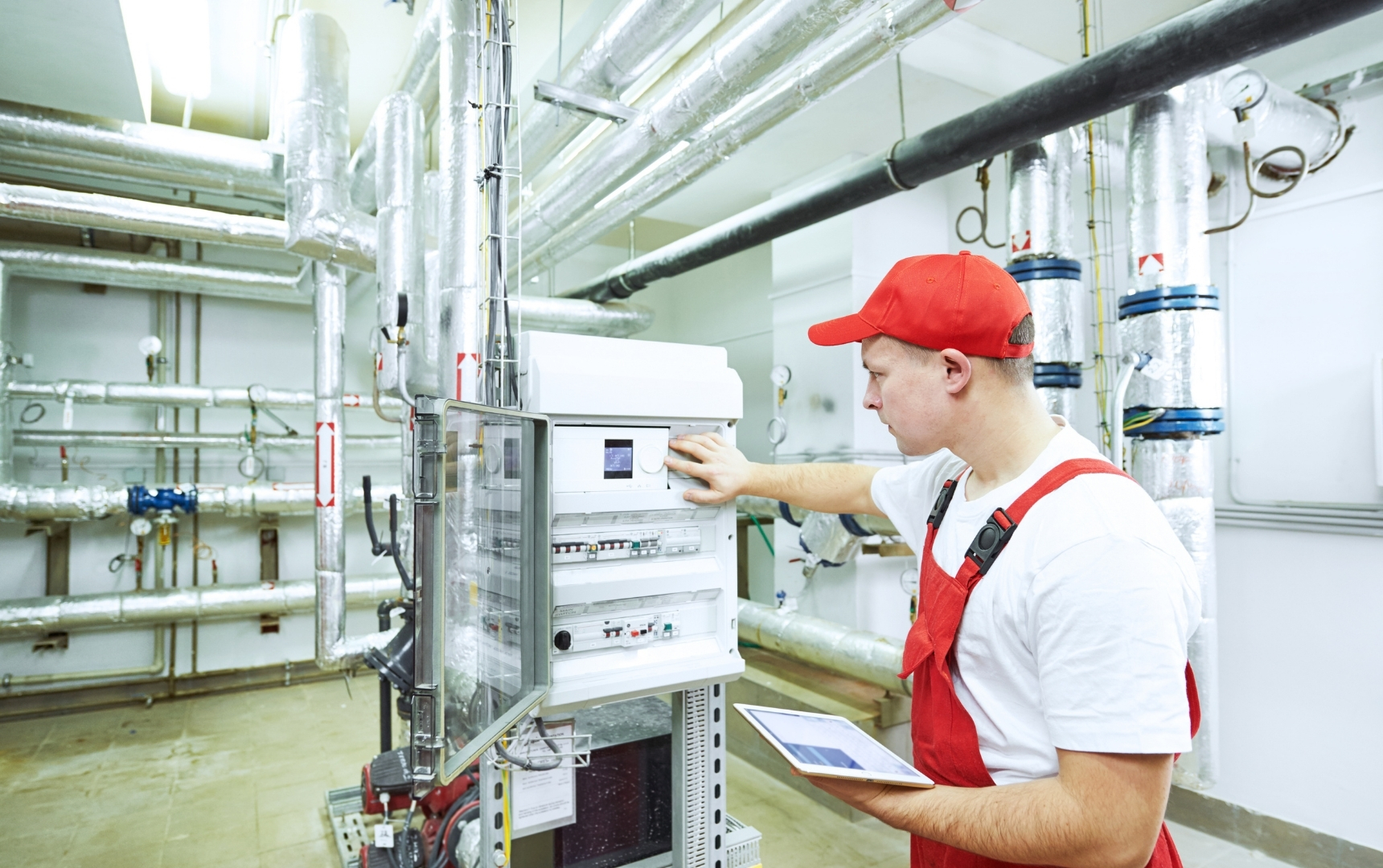
Routine inspections help identify steam trap problems before they affect production or building operations. A consistent inspection program improves reliability and supports long-term equipment performance. Maintenance teams should evaluate both operational and physical warning signs.
1) Audible Red Flags
Maintenance personnel should listen for unusual sounds during inspections. Constant hissing often signals steam leakage through a failed-open trap. Loud banging may indicate condensate buildup and water hammer conditions. Vibrating pipes also deserve immediate attention during routine rounds. These vibrations often develop from unstable condensate flow or pressure fluctuations.
2) Visual Red Flags
Visible steam plumes, condensate pooling, and leaking fittings often point to steam trap failures. Corrosion around trap stations may indicate long-term moisture exposure and poor drainage conditions. Damaged insulation near steam traps can also hide active leaks.
Inspectors should examine nearby piping and valves carefully during maintenance checks. Mineral buildup often signals ongoing leakage problems.
3) Thermal Red Flags
Infrared inspections help verify proper steam trap operation. Healthy traps usually show a temperature drop between the inlet and outlet piping. A failed-open steam trap may display nearly equal temperatures across the trap. Failed-closed traps often create excessive heat buildup upstream. Thermal imaging helps maintenance teams identify these problems quickly during operation.
4) Operational Red Flags
Boiler systems sometimes reveal hidden steam trap issues through changes in performance. Frequent boiler cycling, unstable pressure, and reduced heating capacity often trace back to failed traps. Operators may also notice increased makeup water usage.
Declining condensate return efficiency can further reduce system performance. These operational warning signs often appear before visible damage occurs. Monitoring system behavior helps identify maintenance needs earlier.
Prevent Costly Steam Trap Failures With Routine Inspections
Consistent inspections, ultrasonic testing, and thermal imaging provide valuable insight into system performance. These maintenance practices help teams identify hidden failures before they affect production, occupant comfort, or operating costs. A proactive inspection program also supports longer equipment life and improved system efficiency.
Boiler Pros provides services that help facilities identify steam trap issues before they become costly failures. Our team provides expert boiler room support, inspections, and maintenance solutions designed to improve system reliability. Contact us today to get a free quote.