When Steam Trap Replacement Is Necessary
Steam systems rely on several components working together efficiently every day. Steam trap replacement becomes necessary when traps stop removing condensate properly or begin wasting steam throughout the system. These failures often create hidden operational problems that gradually increase maintenance costs and reduce system reliability.
Many facilities continue operating with failing steam traps because the symptoms appear slowly. Pressure inconsistencies, uneven heating, rising energy costs, and condensate buildup may seem unrelated at first. Over time, however, failed traps can affect multiple areas of the steam system and place additional strain on equipment.
Why Steam Traps Matter in Steam Systems
Steam traps remove condensate while keeping steam contained within the system. Proper condensate removal supports stable pressure, efficient heat transfer, and consistent steam flow throughout the facility.
When traps function correctly, steam equipment receives dry steam at the proper temperature and pressure. Condensate moves safely through return lines without disrupting system performance. Boilers and supporting equipment also operate more efficiently under balanced conditions.
As traps wear down, these conditions begin to change. Condensate may accumulate inside steam lines, heat exchangers, and process equipment. Steam loss may also increase if traps fail in the open position.
Steam Trap Replacement Helps Prevent Condensate Buildup
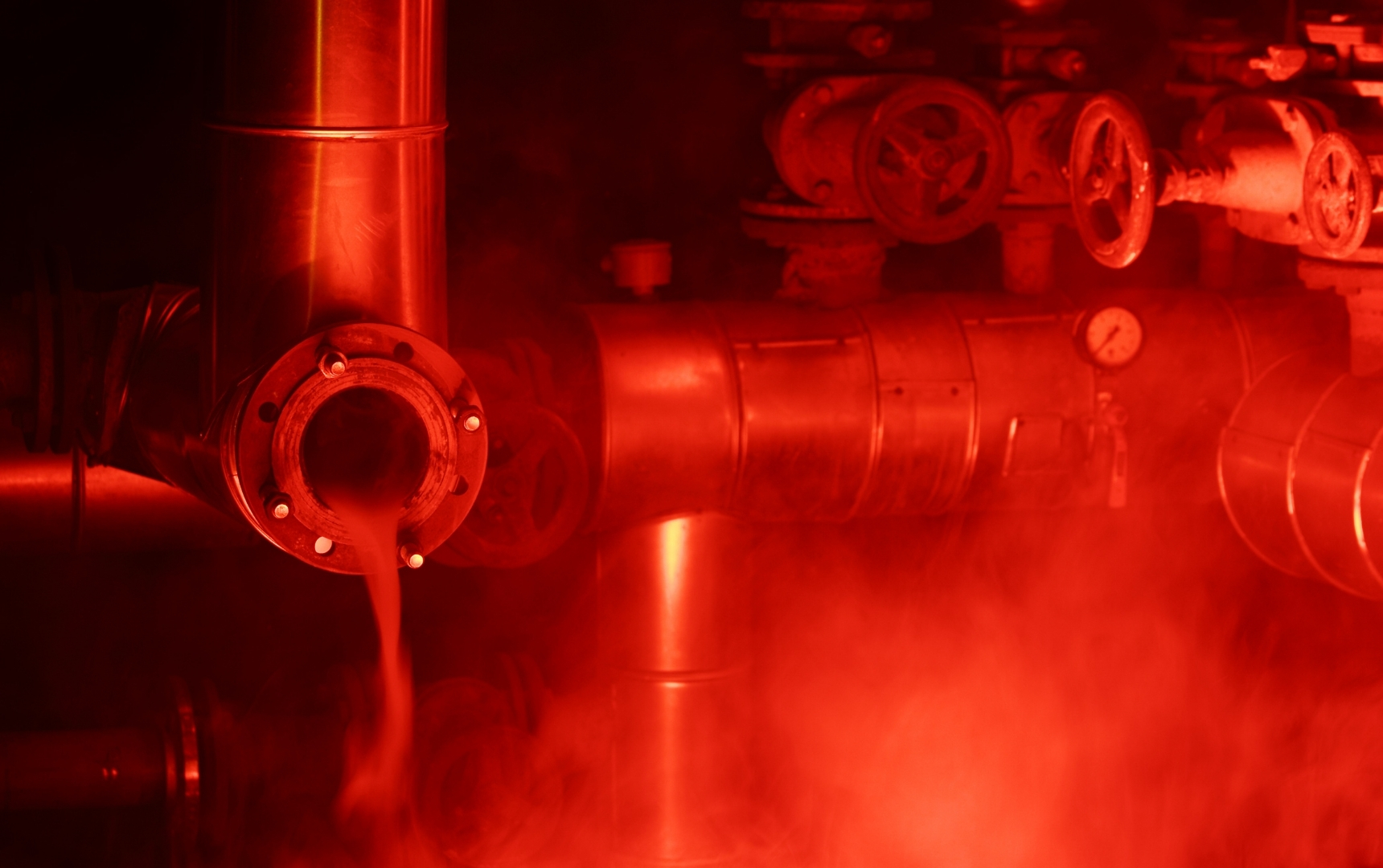
Condensate accumulation remains one of the most common signs of failing steam traps. When condensate cannot drain efficiently, steam flow becomes unstable, and equipment performance often declines.
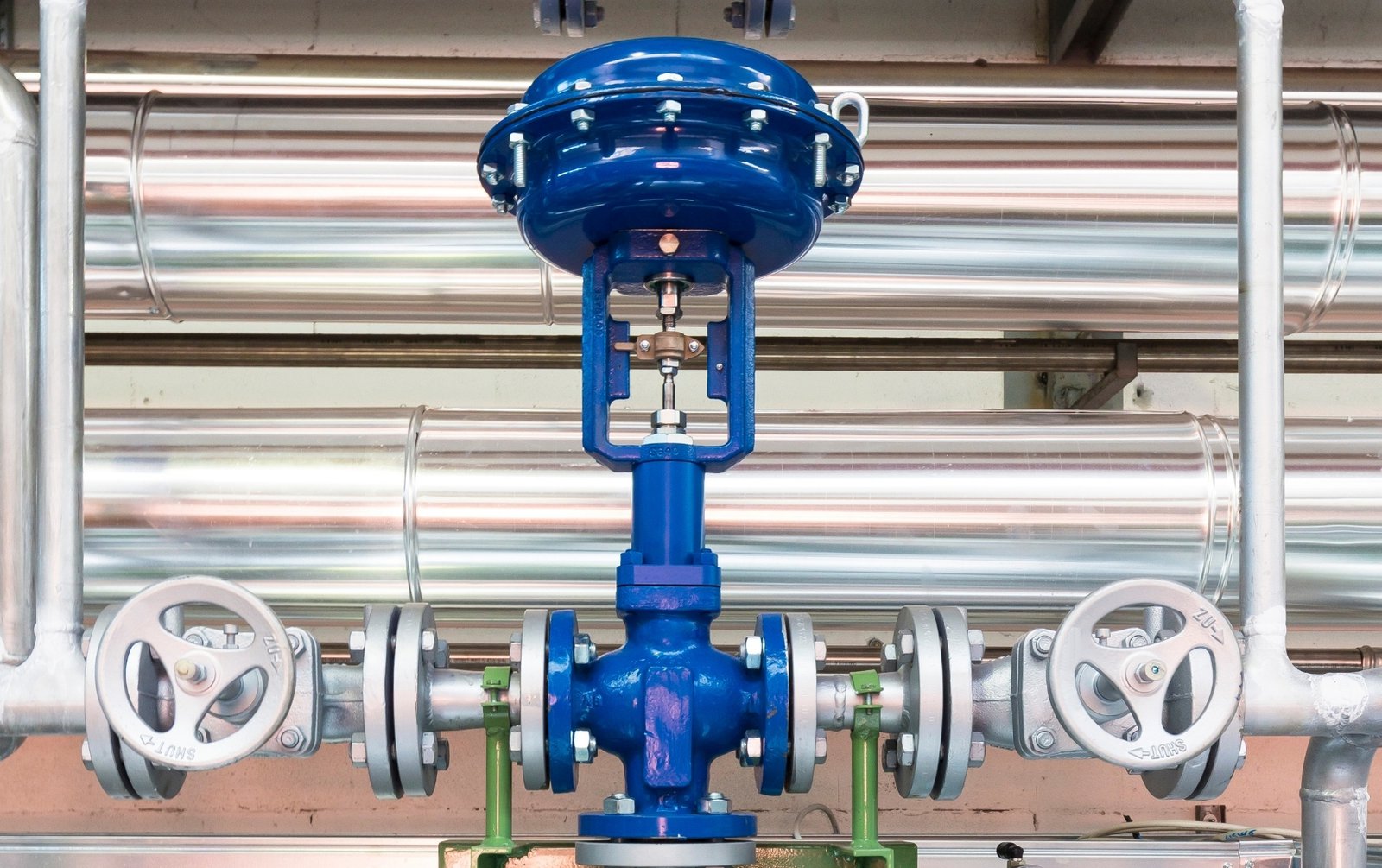
Moisture trapped inside piping systems may reduce heat transfer and create inconsistent operating temperatures. Some areas of the facility may experience delayed heating, while other equipment struggles to maintain stable performance.
Excess condensate can also contribute to water hammer conditions. Sudden pressure shock inside piping systems may damage valves, fittings, and pipe supports over time. Facilities that replace failing traps early often reduce these risks significantly.
Steam Trap Replacement May Reduce Energy Loss
Steam traps that fail open may waste large amounts of steam continuously. In many facilities, this energy loss remains unnoticed because systems continue operating despite declining efficiency.
As steam escapes through failed traps, boilers work harder to maintain pressure throughout the system. Fuel consumption often rises gradually, along with operating expenses and equipment wear.
Heat loss may also affect nearby piping and process equipment. Facilities sometimes notice slower production response, uneven temperatures, or rising utility bills before identifying failed traps as the source. Replacing malfunctioning traps often improves steam efficiency and stabilizes operating conditions throughout the system.
Common Signs Steam Trap Replacement Is Needed
Steam trap failures rarely happen without warning. Most systems show gradual signs of declining performance before complete failure occurs.
Some facilities experience unusual piping noise or frequent water hammer events near steam equipment. Others notice excessive condensate accumulation, fluctuating pressure, or steam leaks around trap stations.
Visible corrosion near traps may also indicate long-term moisture problems. Inconsistent heating and increased maintenance activity around certain equipment zones can point to developing steam trap issues as well.
Routine inspections help identify these warning signs before system-wide performance declines become more severe.
Aging Steam Traps Often Create Reliability Problems
Steam traps experience continuous exposure to heat, pressure, and condensate movement. Over time, internal components wear down and performance becomes less predictable.
Older traps may stick open, remain closed, or cycle improperly during operation. Corrosion and debris buildup can further restrict movement inside the trap body. In facilities with inconsistent water treatment, internal deterioration may develop more rapidly.
Some systems contain traps that have operated far beyond their expected service life. These aging components often contribute to recurring efficiency problems and ongoing maintenance concerns.
Replacing worn traps proactively often reduces emergency repair needs and improves long-term reliability.
Steam Trap Replacement Supports Inspection Readiness
Steam system inspections often reveal maintenance issues related to condensate management and steam loss. Failed steam traps may contribute to visible leaks, unstable pressure conditions, or excessive moisture near equipment areas.
Inspectors frequently evaluate overall system condition during annual boiler inspections. Poorly maintained trap stations can indicate deferred maintenance and broader operational concerns.
Maintenance documentation also supports inspection readiness. Records involving trap testing, replacement schedules, and condensate evaluations help demonstrate ongoing system oversight.
Steam Trap Surveys Improve System Performance
Steam trap surveys help facilities identify failing components before larger operational problems develop. Regular evaluations provide valuable information about system efficiency and condensate movement.
Technicians often use ultrasonic testing and temperature analysis to evaluate trap performance during inspections. These methods help locate hidden failures that may not appear during visual checks alone.
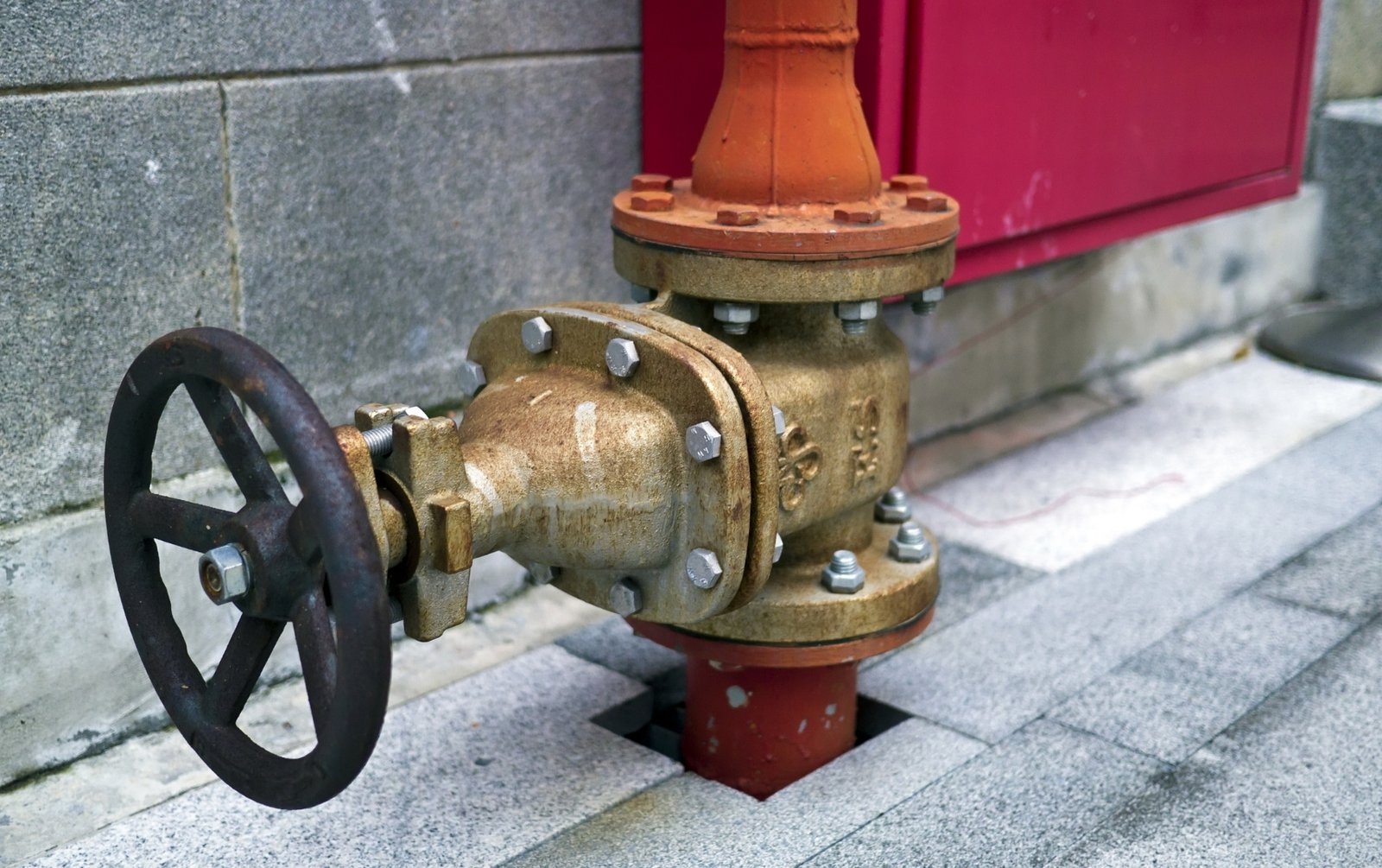
Facilities that perform routine surveys usually identify steam loss and condensate problems earlier. Preventive maintenance planning also becomes more effective when maintenance teams track recurring performance trends throughout the system.
Ongoing evaluations support better energy efficiency and reduce unexpected maintenance disruptions.
Replacing Failed Steam Traps Protects Equipment
Failing steam traps can affect much more than condensate removal alone. Unstable steam conditions often place additional strain on boilers, heat exchangers, piping systems, and condensate return equipment.
Pressure instability may increase wear on valves and connected components throughout the system. Moisture accumulation can accelerate corrosion and reduce insulation effectiveness near affected areas.
As equipment stress increases, repair frequency often rises as well. Facilities may begin experiencing recurring downtime and inconsistent operating performance across multiple system zones.
Replacing traps before widespread damage develops helps protect both equipment lifespan and operational reliability.
Work With a Team That Prioritizes Clear Recommendations
Steam system reliability depends on accurate evaluations and practical repair planning. Facilities benefit from experienced teams that focus on long-term solutions and transparent communication.
Boiler Pros offers complete boiler solutions from routine maintenance to emergency repairs. If operational disruptions occur, we can also help coordinate temporary rental equipment to reduce downtime while repairs are completed.
Steam trap replacement can improve efficiency, reduce energy loss, and protect equipment throughout the steam system. Early action helps facilities avoid larger maintenance problems and improve long-term reliability. Contact us today.