Boiler Inspection Readiness Checklist for Commercial Facilities
Boiler inspection readiness is built through preparation, not last-minute fixes. In Texas, a boiler inspection is required to follow defined rules and predictable criteria, which gives commercial facilities a clear opportunity to prepare with confidence. When teams know what inspectors review and address those items consistently, inspections become routine instead of disruptive.
We work with commercial facilities across Texas and see the same challenges repeat. Documentation gaps, untested safety devices, and site access issues often cause delays. This checklist outlines the core areas inspectors evaluate and provides a structured way to prepare for a boiler inspection without interrupting operations.
Who Oversees Boiler Inspections in Texas
All boiler inspections in Texas are regulated by the Texas Department of Licensing and Regulation (TDLR). TDLR establishes inspection intervals, authorizes inspectors, and maintains official records for every registered boiler operating in the state.
Facilities are responsible for tracking inspection due dates, maintaining accurate registration records, and ensuring inspectors have access to the equipment. Inspection schedules and registration details can be confirmed using the state boiler database. Regularly checking this system helps prevent missed deadlines and compliance issues.
Boiler Inspection Documentation Readiness Checklist
Inspectors begin by verifying paperwork before turning attention to the equipment. Documentation that does not match the installed boiler often leads to delays or corrective notices.
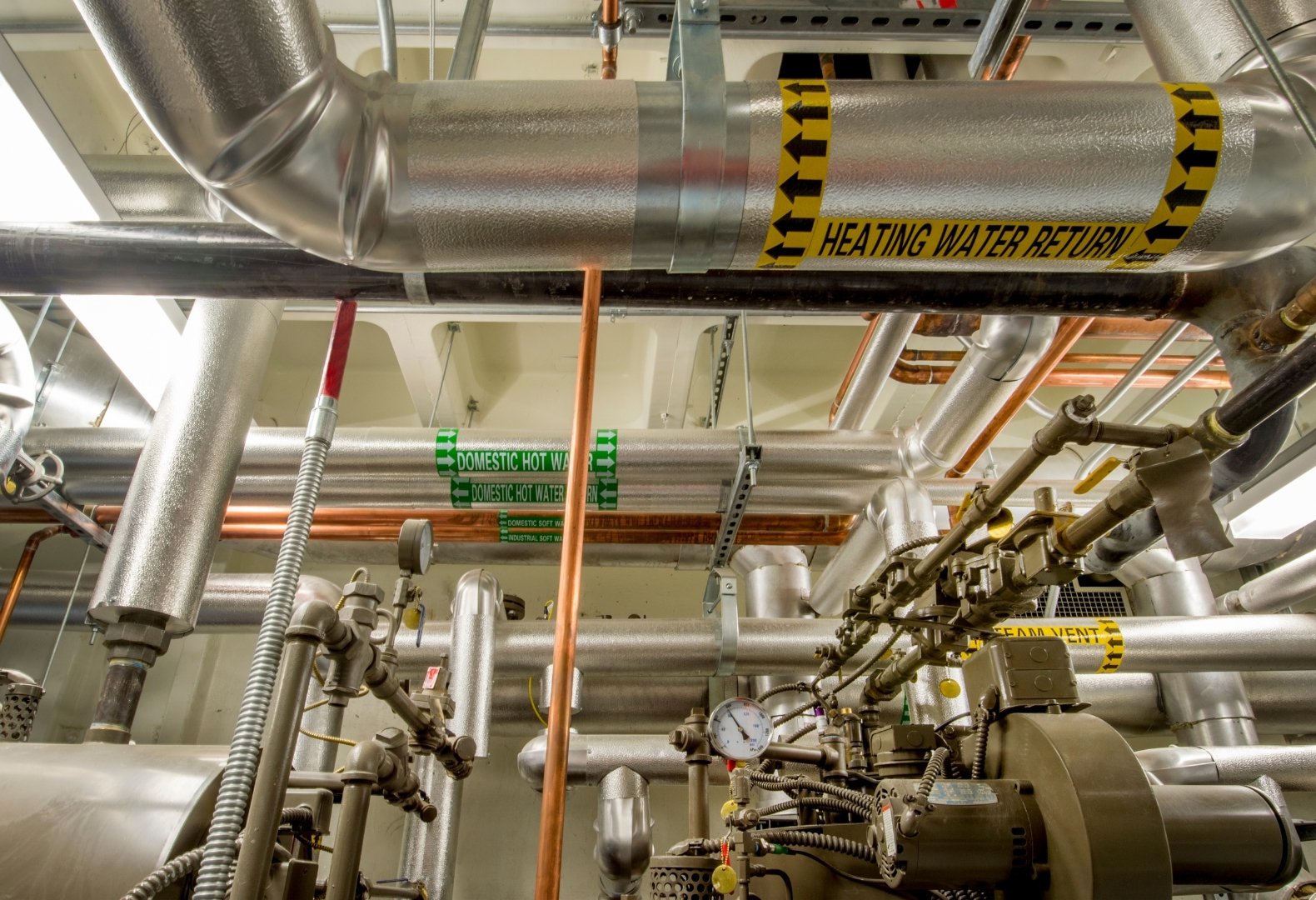
Checklist items include:
Current inspection certificate posted at the boiler
Boiler registration information that matches serial numbers and ratings
Accurate ownership and location details in state records
Documentation for prior repairs, alterations, or replacements
Completing a documentation review early allows teams to correct errors before inspection day. This step often resolves issues that would otherwise slow the inspection or require follow-up visits.
Safety Devices and Controls Checklist
Safety devices receive close attention during every boiler inspection. Inspectors expect these components to operate correctly and respond immediately during testing.
Checklist items include:
Pressure relief valves sized and operating correctly
Low-water cutoffs tested and functional
Safety interlocks active and not bypassed
Alarms that activate and are clearly visible or audible
Routine testing ensures safety systems perform as designed. Facilities that test these devices regularly reduce the chance of inspection failures tied to overlooked safety issues.
Boiler Condition and Maintenance Checklist
Inspectors assess the general condition of the boiler and surrounding components. Visible maintenance issues often prompt deeper inspection and additional questions.
Checklist items include:
Piping and fittings free of active leaks
Corrosion addressed on accessible components
Insulation and lagging intact and secure
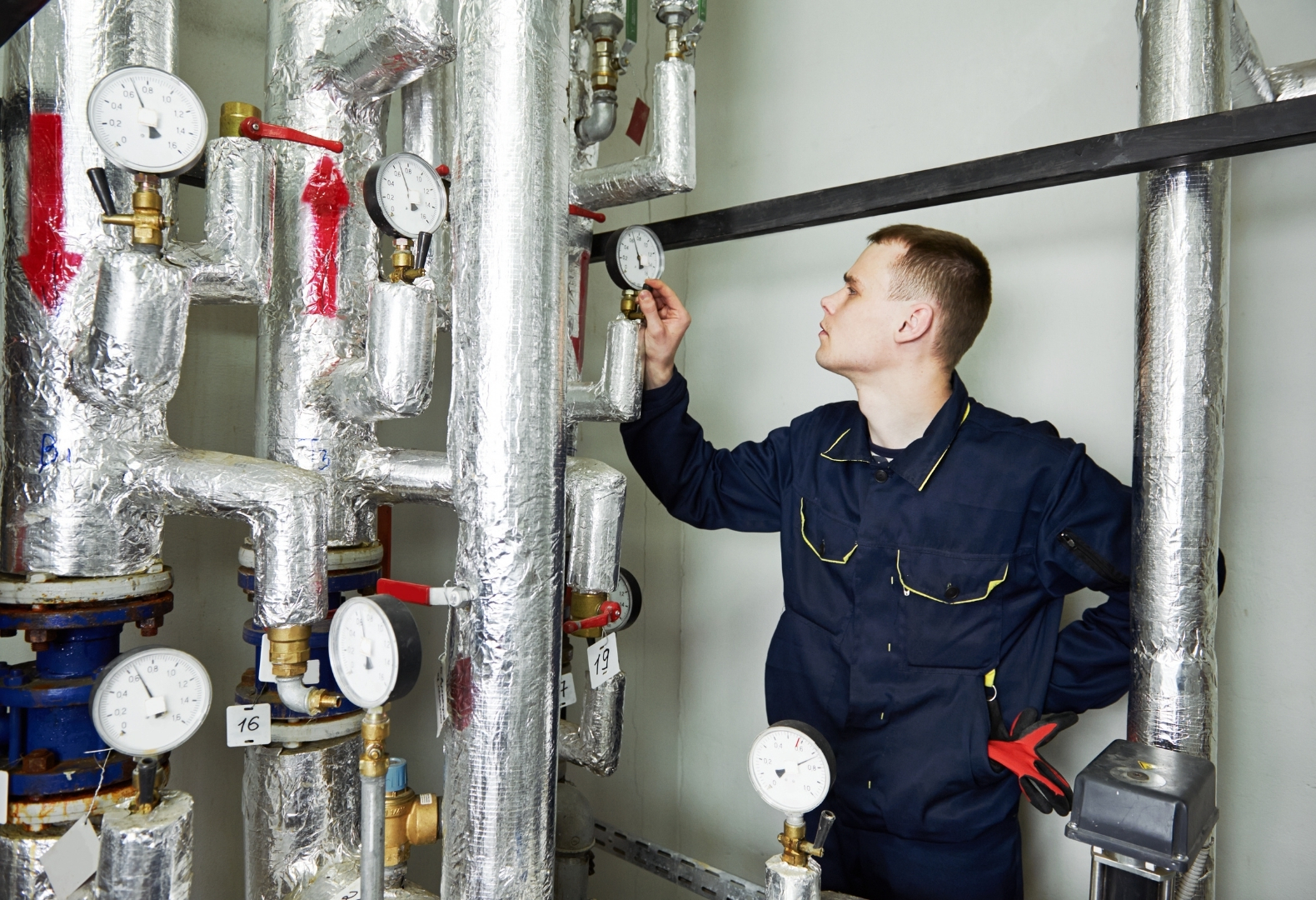
Valves and gauges properly labeled and readable
Addressing these items improves safety and signals consistent maintenance practices. Small repairs completed ahead of time help inspections move forward without unnecessary scrutiny.
Burner and Control Performance Checklist
Operational testing is part of most boiler inspections. Inspectors observe startup, shutdown, and system response to simulated faults.
Checklist items include:
Burners that ignite reliably
Flame safeguards that trip correctly
Control panels with secure wiring and covers
Correct operating and safety setpoints
Testing under inspection-like conditions helps identify issues that normal operation may not reveal. Correcting performance problems early prevents delays and reinspection requirements.
Open and Close Boiler Inspection Preparation Checklist
Some inspections require internal access, while others focus on external operation. Preparation varies depending on whether the inspection is open, close, or both.
Checklist items for open inspections include:
Coordinated shutdown and cooldown schedules
Manways and access points opened safely
Internal surfaces cleaned when needed
Adequate lighting and safe internal access
Checklist items for close inspections include:
Operating controls set correctly
Access to burners, valves, and controls
Readiness for safety and operational testing
Confirming inspection type in advance helps teams plan staffing and downtime. This planning keeps inspections efficient and limits operational disruption.
Site Access and Safety Checklist
Inspection delays often occur when inspectors cannot safely access required components. Site readiness plays a direct role in inspection efficiency.
Checklist items include:
Clear access around boilers and controls
Ladders, platforms, and lighting available
Lockout and safety procedures followed
Knowledgeable personnel present during inspection
Clear access supports a smooth inspection and demonstrates a commitment to safety. Inspectors are able to complete evaluations without unnecessary interruptions.
Inspection Timing and Scheduling Checklist
Operating a boiler past its inspection due date places a facility out of compliance. Inspection timing should be tracked consistently.
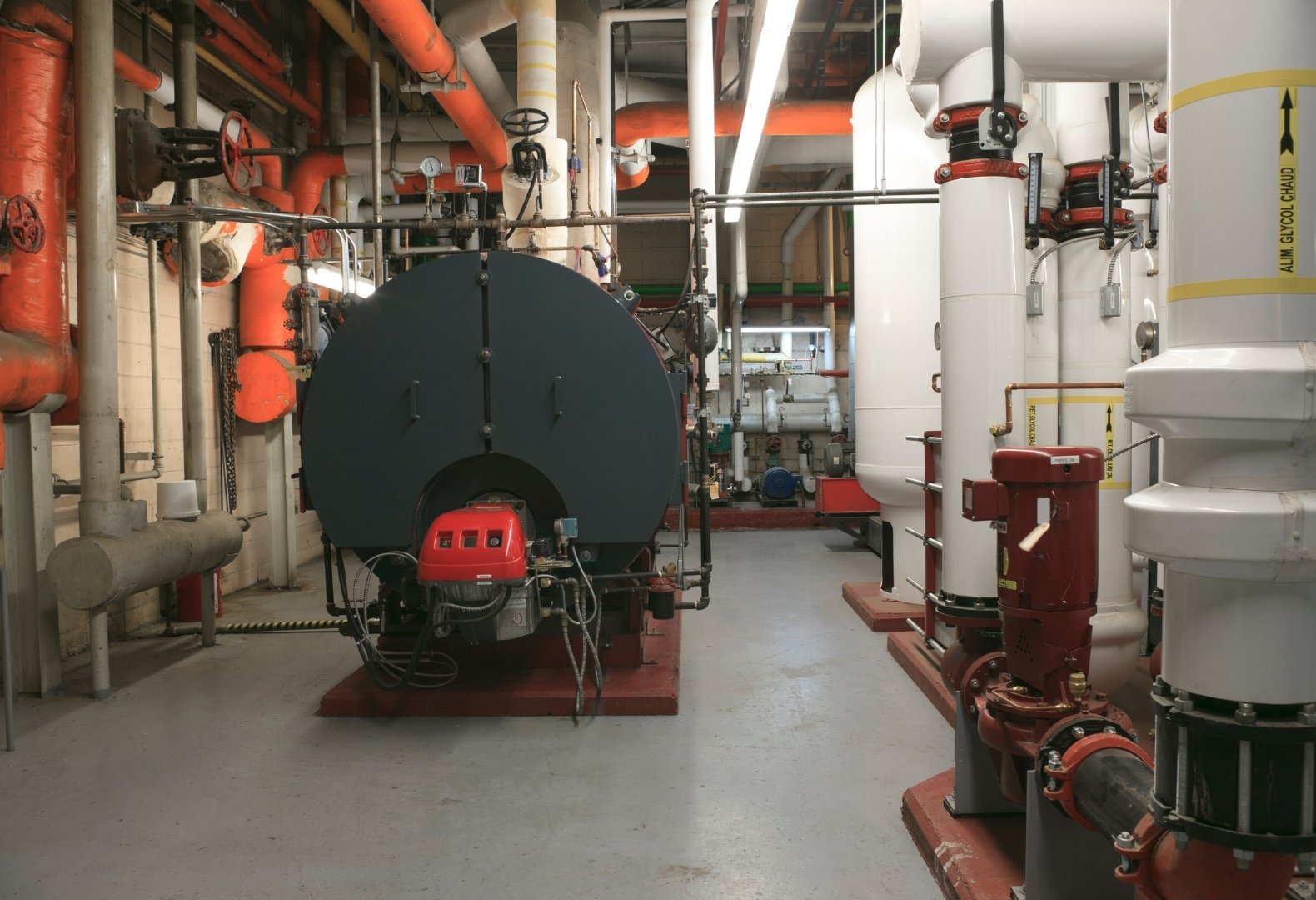
Checklist items include:
Monitoring due dates through the TDLR database
Scheduling inspections well ahead of deadlines
Accounting for outages, holidays, and staffing changes
Proactive scheduling provides flexibility and reduces stress around inspection deadlines. Facilities gain time to address issues without risking noncompliance.
Addressing Known Issues Before Inspection Day
Waiting for inspectors to identify known problems increases risk. Facilities that address issues in advance experience fewer shutdowns and corrective actions.
Checklist items include:
Reviewing prior inspection reports
Correcting unresolved deficiencies
Documenting completed repairs
Verifying changes align with code requirements
Early correction supports safer operation and predictable inspection outcomes. It also helps teams focus on daily operations instead of reactive repairs.
Keeping Boiler Inspections Predictable
Boiler inspections follow consistent standards across Texas. Facilities that rely on a structured checklist approach experience fewer disruptions and stronger compliance records.
Preparation improves safety, reduces emergency repairs, and supports predictable maintenance budgets. Over time, inspections become a routine checkpoint instead of an operational challenge.
Boiler Inspection Readiness With Confidence
A successful boiler inspection reflects preparation across documentation, safety systems, maintenance, and site readiness. Commercial facilities that follow a clear checklist approach move through inspections efficiently and maintain reliable operations.
At Boiler Pros, we work directly with facility teams to prepare boilers for inspection, correct deficiencies, and plan maintenance around Texas requirements. We support inspections for new and existing systems, including equipment we did not originally install, and help facilities stay inspection-ready year after year.
Inspection readiness starts with preparation and experienced support. Contact us today to keep your boiler inspection process on schedule and your facility operating without disruption.