When a Boiler Upgrade Makes More Sense Than Repair
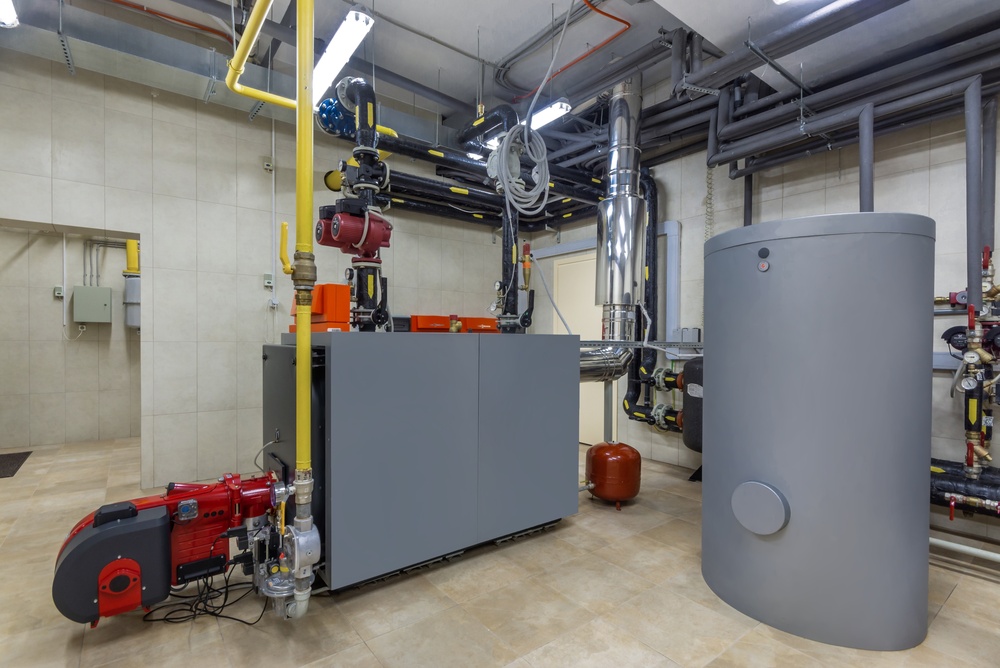
Boiler systems often operate for decades with proper maintenance and timely repairs. However, there comes a point when a boiler upgrade delivers greater value than continuing to fix aging equipment. Knowing when that point has arrived can help facilities avoid rising costs, unexpected downtime, and ongoing operational disruptions.
Many organizations hesitate to replace equipment that still functions. While that approach may seem economical in the short term, repeated repairs can become more expensive than investing in a modern system designed for today's efficiency and reliability standards.
Signs Your Boiler Upgrade Timeline Is Approaching
Most boiler systems provide warning signs before replacement becomes necessary. Paying attention to these indicators helps prevent costly failures and emergency situations.
One of the clearest signs is an increase in repair frequency. A single repair does not necessarily indicate a problem. However, multiple service calls within a short period often suggest that critical components are reaching the end of their service life.
Aging boilers can also experience recurring issues that seem unrelated. Burners, controls, valves, pumps, and heat transfer surfaces may begin failing at different times. These repairs can create a cycle of ongoing expenses that strain maintenance budgets.
When repair costs become a recurring line item rather than an occasional expense, replacement discussions should begin.
How Rising Repair Costs Affect Long-Term Budgets
Many facilities evaluate repair decisions individually. While each repair may appear reasonable, the cumulative cost tells a different story.
Emergency service calls often include labor, replacement parts, production interruptions, and overtime expenses. These costs can accumulate quickly over several years. In some cases, organizations spend a substantial percentage of a replacement system's cost simply keeping an outdated boiler operational.
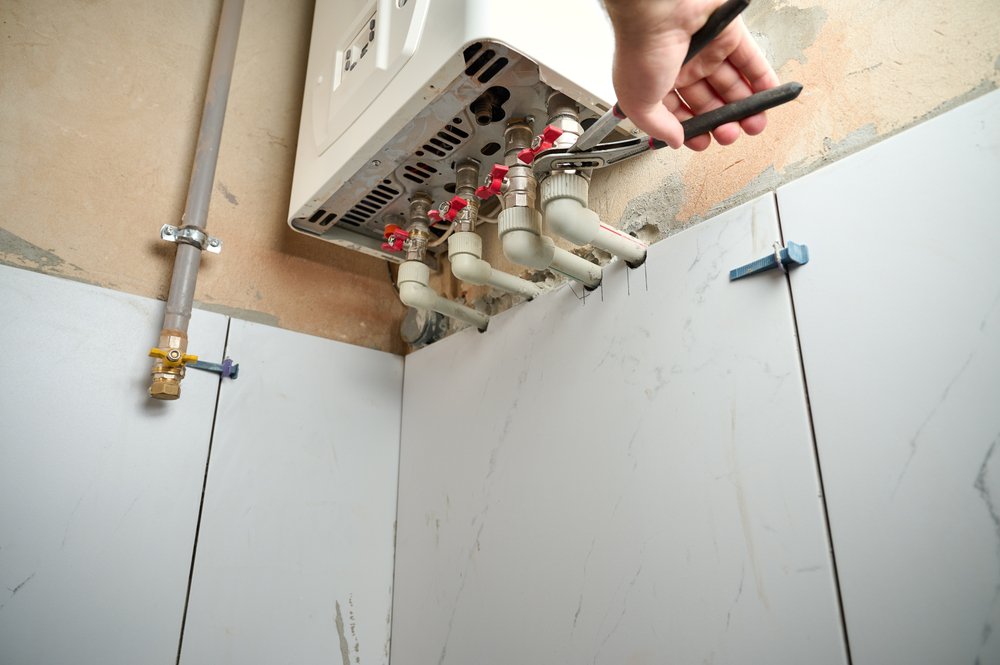
Budget forecasting also becomes more difficult when equipment reliability declines. Unexpected failures can force maintenance teams to redirect resources from planned projects and preventive initiatives.
A boiler upgrade creates a more predictable cost structure. Rather than responding to recurring failures, facilities can focus on strategic maintenance planning and operational improvements.
Boiler Upgrade Decisions and Energy Efficiency
Efficiency losses often occur gradually. Because the decline happens over time, many facilities fail to recognize how much energy is being wasted.
Older boilers frequently operate below the efficiency levels available in modern systems. Heat loss, burner degradation, scaling, and outdated controls can increase fuel consumption significantly. These inefficiencies affect operating expenses every day the system remains in service.
Newer boiler technologies provide enhanced combustion control, improved heat transfer, and advanced monitoring capabilities. These features help reduce energy consumption while maintaining consistent performance. When energy costs continue rising, efficiency gains alone can support the business case for a boiler upgrade.
When Parts Availability Becomes a Serious Concern
Parts availability is another factor that should influence replacement decisions. Manufacturers eventually discontinue components as equipment ages.
Finding replacement parts for older systems can become increasingly difficult. Lead times may extend from days to weeks or even months. During a critical failure, that delay can create significant operational challenges.
Some facilities resort to refurbished components or aftermarket alternatives when original parts are no longer available. While these solutions may provide temporary relief, they often introduce additional reliability concerns.
A modern boiler system offers access to readily available components and manufacturer support, helping reduce future maintenance risks.
Downtime Risks That Point Toward a Boiler Upgrade
Unplanned downtime can affect production schedules, occupant comfort, sanitation processes, and critical facility operations. The consequences often extend far beyond repair costs.
A boiler failure during peak demand periods can disrupt operations for hours or days. Certain industries depend on reliable steam and hot water systems to maintain product quality, process consistency, and regulatory compliance.
Repeated outages often indicate that underlying equipment limitations are becoming more severe. At that stage, continued repairs may only postpone an inevitable replacement project.
Evaluating downtime history can provide valuable insight when determining whether a boiler upgrade is the more practical solution.
Capacity Changes May Require a Boiler Upgrade
Facility requirements rarely remain static. Production increases, building expansions, and process modifications can all place additional demands on boiler systems.
A boiler that was appropriately sized years ago may no longer support current operational needs. Running equipment continuously near maximum capacity can accelerate wear and increase maintenance requirements.
Modern systems can be designed to align with current demand while allowing flexibility for future growth. This approach helps improve efficiency while supporting long-term operational objectives.
Whenever facility demands have changed significantly, it is worth evaluating whether existing equipment remains the best fit.
Comparing Repair Costs to Replacement Value
One of the most effective ways to evaluate equipment decisions is through total cost of ownership analysis. This approach considers both direct and indirect expenses associated with keeping an existing system in operation.
Direct costs include repairs, replacement parts, maintenance labor, and fuel consumption. Indirect costs may involve downtime, lost productivity, emergency service expenses, and operational disruptions.
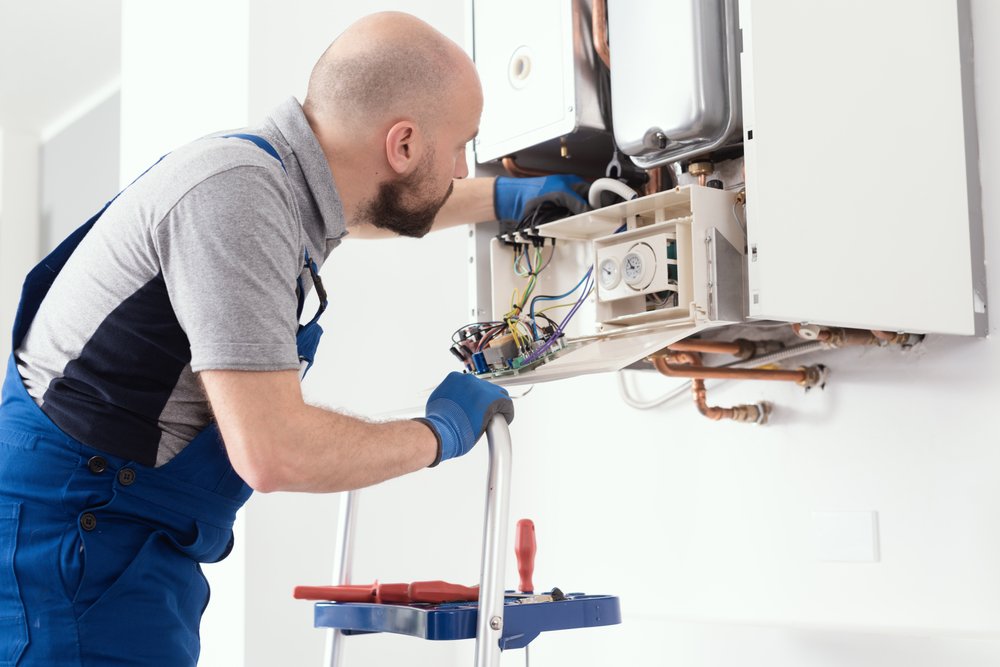
When these costs are examined collectively, the financial advantages of upgrading often become clearer. What appears less expensive on a month-to-month basis may prove far more costly over several years.
A structured assessment allows organizations to make informed decisions based on long-term value rather than short-term expenditures.
Planning Ahead Creates Better Outcomes
Emergency replacements rarely provide the best results. When a system fails unexpectedly, decision-makers often face compressed timelines and limited options.
Proactive planning allows time to evaluate equipment alternatives, develop budgets, coordinate installation schedules, and minimize operational disruptions. It also creates opportunities to improve system design and address longstanding performance concerns.
Facilities that begin evaluating replacement options before a critical failure occurs often experience smoother transitions and better long-term outcomes.
Partner With Experts Before Making Your Next Move
Deciding between repair and replacement requires more than comparing price tags. Equipment age, reliability, efficiency, downtime risk, and future operational demands all influence the right path forward.
At Boiler Pros, we help organizations evaluate existing systems and develop upgrade strategies that align with operational goals and budgets through our complete boiler solutions. Our team works closely with facility personnel to determine whether repair or replacement provides the greatest long-term value. Contact us today for a free quote.