Boiler Issues That Trigger Inspection Failures
Boilers are subject to strict inspection requirements for a reason. These systems operate under pressure, generate high temperatures, and support critical processes across industries. When inspectors evaluate a boiler, they are looking for specific boiler issues that could compromise safety, performance, or compliance.
For facility managers, maintenance teams, and project leaders, inspection failures often come down to a handful of recurring boiler issues. Many of these problems develop gradually and can be addressed well before inspection day with the right level of attention and planning.
Recognizing the most common boiler issues that trigger inspection failures helps facilities prepare more effectively and maintain reliable operations throughout the year.
Corrosion and Metal Degradation
Corrosion remains one of the most frequent reasons boilers fail inspection. Over time, exposure to water, oxygen, and chemical imbalances can weaken internal and external metal surfaces. This process reduces material thickness and can compromise the structural integrity of the pressure vessel.
Inspectors often look for signs of pitting, rust, or thinning walls during evaluations. External corrosion around piping, valves, and fittings may also indicate broader system issues.
Left unaddressed, corrosion can lead to leaks, reduced efficiency, and in severe cases, vessel failure. Facilities that monitor water chemistry and perform regular visual inspections are better positioned to detect corrosion early.
Scale Buildup and Heat Transfer Problems
Mineral deposits inside the boiler create scale, which interferes with heat transfer. Even a thin layer of scale can reduce efficiency and cause uneven heating across internal surfaces.
Inspectors may identify scale buildup during internal inspections or through performance indicators such as reduced efficiency or overheating. Excessive scale can lead to localized hot spots, increasing the likelihood of metal fatigue or failure.
Facilities that do not maintain consistent water treatment practices often encounter this issue. Regular blowdown procedures and chemical treatment adjustments help reduce scale formation. Addressing scale buildup before inspection helps improve both safety and system performance.
Inoperable or Faulty Safety Devices
Safety components serve as a critical line of defense in boiler systems. Inspectors pay close attention to devices such as pressure relief valves, low-water cutoff controls, and flame safeguards. If these components fail to operate correctly, the boiler may not pass inspection.
Pressure relief valves must open at designated pressure levels to prevent dangerous over-pressurization. Low-water cutoff devices must shut down the system if water levels drop below safe thresholds. Flame safeguard systems must respond immediately to combustion irregularities.
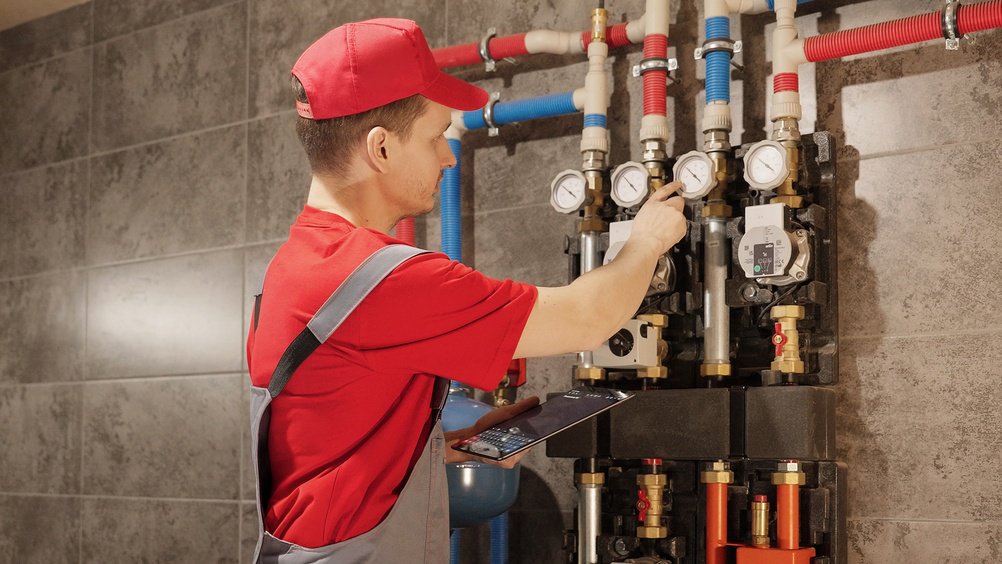
Inspectors may request testing or documentation that confirms these devices function as intended. Facilities that skip routine testing or delay repairs often encounter issues in this area.
Ensuring all safety devices are operational and properly maintained remains a top priority before any inspection.
Documentation Gaps and Recordkeeping Boiler Issues
Inspection failures are not always tied to physical equipment problems. In many cases, missing or incomplete documentation can raise concerns during the inspection process.
Inspectors often review maintenance logs, repair records, water treatment reports, and safety test documentation. These records provide evidence that the boiler has been maintained consistently and responsibly.
Facilities that lack organized documentation may struggle to demonstrate compliance, even if the system itself is in acceptable condition.
Maintaining accurate and up-to-date records supports a smoother inspection process and helps identify trends in system performance over time. Clear documentation also allows maintenance teams to track recurring issues and plan corrective actions.
Leaks in Piping, Valves, and Fittings
Leaks are another common issue that can lead to inspection failure. Inspectors evaluate both visible leaks and signs of past leakage around joints, valves, and connections.
Water leaks can indicate corrosion or worn components, while steam leaks may suggest pressure control problems or degraded seals. Fuel leaks present additional safety concerns related to combustion systems.
Even minor leaks can signal larger underlying problems. Inspectors may require repairs before approving the system for continued operation.
Improper Combustion and Burner Problems
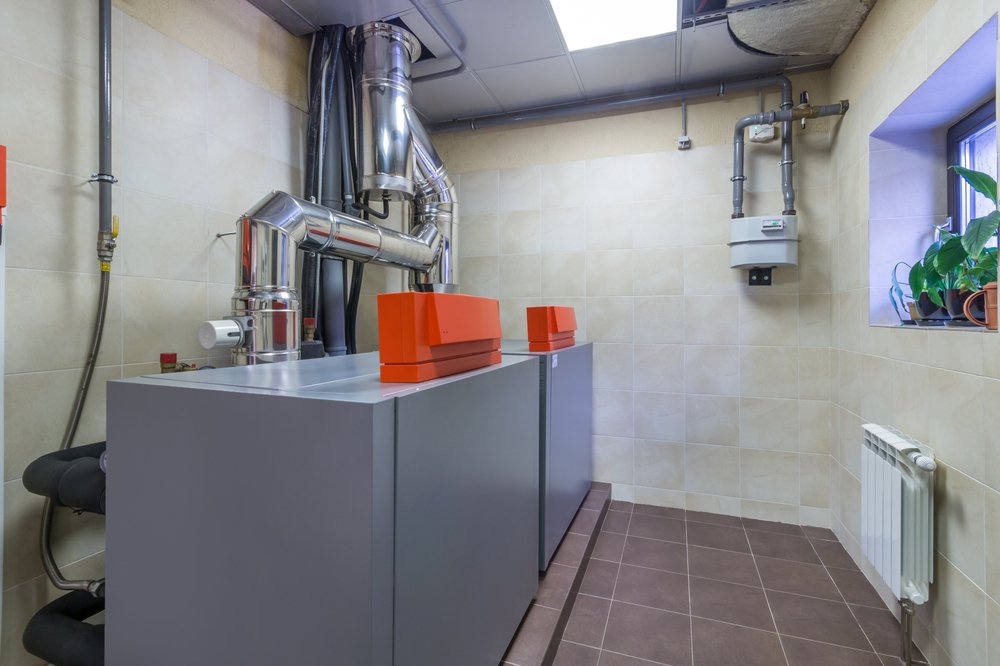
Combustion systems must operate efficiently and safely to maintain proper boiler performance. Inspectors evaluate burner operation, fuel delivery systems, and flame characteristics.
Signs of improper combustion may include unstable flames, excessive smoke, or unusual emissions. These conditions can result from incorrect air-to-fuel ratios, clogged burners, or malfunctioning control systems.
Poor combustion affects efficiency and can also create safety risks. Inspectors may review combustion data or observe system performance during operation. Facilities that perform regular burner maintenance and calibration are less likely to encounter issues during inspection.
Control System Malfunctions
Modern boilers rely on control systems to regulate pressure, temperature, and fuel supply. When these systems malfunction, operators may lose visibility into key operating conditions.
Inspectors often check that gauges, sensors, and control panels provide accurate readings. Faulty instrumentation can lead to incorrect adjustments or delayed responses to changing conditions.
Calibration issues, wiring problems, or outdated control systems may contribute to inspection findings. Facilities that regularly test and maintain control systems improve both safety and inspection outcomes.
Lack of Preparation Before Inspection
Many inspection failures occur because facilities approach the process without adequate preparation. Small issues that could have been corrected in advance are instead identified during the inspection.
Preparation involves reviewing maintenance records, testing safety devices, inspecting visible components, and addressing known concerns ahead of time.
When maintenance teams take a proactive approach, inspections tend to confirm system readiness rather than uncover unexpected problems. Facilities operating in Texas can review inspection schedules and requirements through the state database.
Addressing Boiler Issues Before They Lead to Failure
Boiler issues that trigger inspection failures often develop gradually. Corrosion, scale buildup, faulty safety devices, documentation gaps, and combustion problems can all contribute to unfavorable inspection results.
Facilities that monitor their systems closely and address issues early are better positioned to pass inspections and maintain safe operations. Routine maintenance, organized recordkeeping, and proactive planning all play a role in achieving consistent results.
If your facility is preparing for an upcoming inspection or dealing with ongoing boiler issues, Boiler Pros is ready to assist. Our team works alongside you to evaluate your system, identify solutions, and support reliable performance. Contact us today to get a free quote.