Preventive Boiler Maintenance vs Emergency Repairs
Facilities that rely on steam or hot water understand how critical preventive boiler maintenance is to daily operations. When systems fail unexpectedly, the impact reaches far beyond the mechanical room. Production slows or stops, safety risks increase, and costs rise quickly.
We work with maintenance, facility, and project managers who are responsible for keeping operations running without interruption. Many of them face the same question: should resources focus on ongoing maintenance or respond to issues as they arise?
The answer becomes clear when you look at risk, cost, and operational stability over time.
The Cost of Waiting for Something to Break
Emergency repairs often begin with urgency and uncertainty. A boiler goes offline, alarms trigger, or performance drops without warning. At that point, decisions must be made quickly, often without complete information.
Unplanned outages can lead to:
Production downtime and missed deadlines
Safety concerns for personnel and equipment
Expedited parts and labor costs
Limited repair options due to time constraints
Increased stress on facility teams
When a system fails, the focus shifts to restoring operation as fast as possible. That urgency can limit the ability to evaluate long-term solutions or underlying causes.
Emergency repairs serve an important role, but relying on them as a primary strategy introduces avoidable risk.
What Preventive Boiler Maintenance Looks Like in Practice
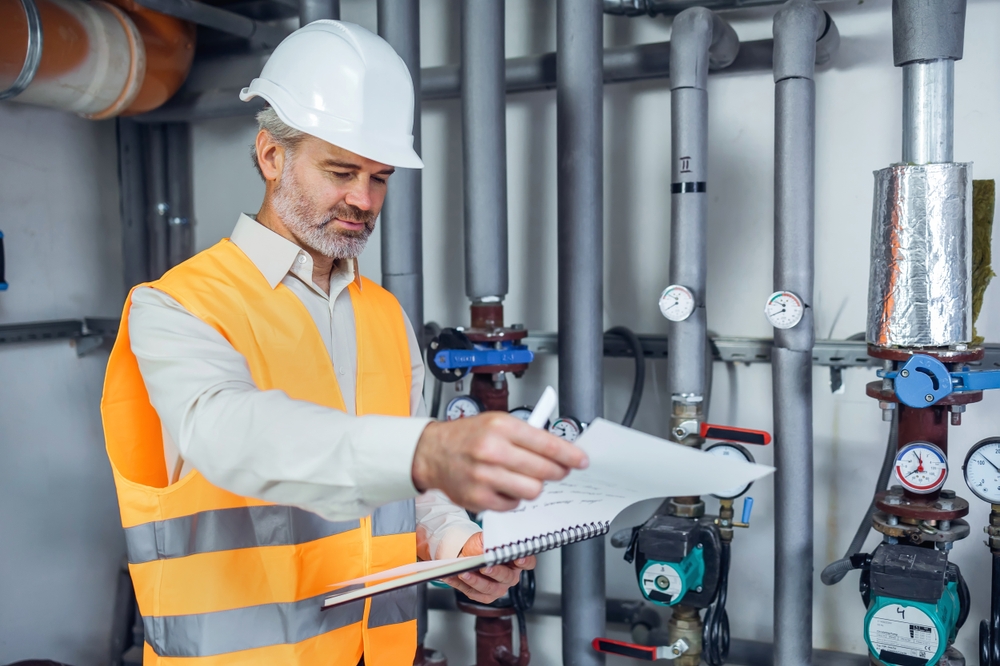
A preventive approach focuses on identifying issues before they disrupt operations. It involves scheduled inspections, testing, cleaning, and adjustments that keep equipment operating within safe and efficient parameters.
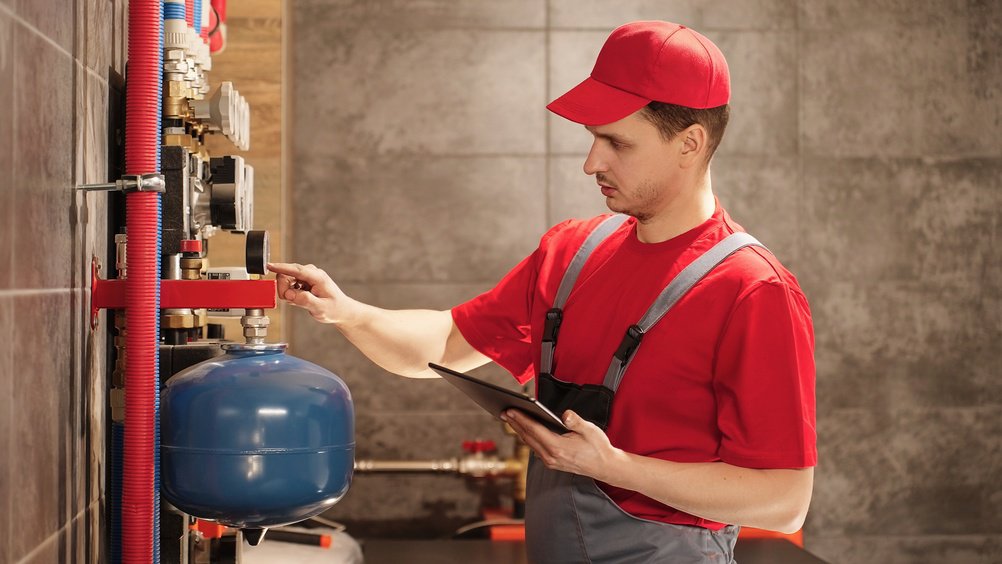
Effective preventive boiler maintenance programs typically include:
Routine inspection of burners, controls, and safety devices
Monitoring water quality and treatment systems
Checking for leaks, corrosion, and wear
Verifying proper combustion and efficiency levels
Testing alarms and shutdown mechanisms
These activities provide visibility into system health. Instead of reacting to failures, facility teams gain the ability to plan repairs and improvements in advance.
Maintenance also supports compliance with annual inspection requirements, helping facilities avoid delays or complications during regulatory reviews.
Comparing Operational Impact
The difference between preventive maintenance and emergency repair becomes most visible when looking at operational continuity.
Facilities that prioritize maintenance often experience fewer unexpected shutdowns. When issues are identified early, repairs can be scheduled during planned downtime or off-peak hours. This reduces disruption to production schedules and minimizes risk to personnel.
In contrast, emergency repairs rarely occur at convenient times. They can interrupt critical processes, especially in environments such as hospitals, food production, or manufacturing, where uptime is essential.
Planning ahead allows facility managers to stay in control rather than reacting under pressure.
Financial Considerations Over Time
Budget planning is another area where preventive boiler maintenance provides a clear advantage. Emergency repairs often involve higher costs due to urgency. Expedited shipping, overtime labor, and temporary fixes can add up quickly. In some cases, delayed maintenance leads to larger component failures that require costly replacements.
Preventive maintenance spreads costs more evenly over time. It allows facilities to:
Forecast maintenance expenses more accurately
Extend the lifespan of equipment
Avoid large, unexpected repair bills
Make informed decisions about upgrades or replacements
This level of predictability supports better financial planning and reduces the likelihood of sudden capital expenditures.
Equipment Longevity and Performance
Boiler systems are built to operate under demanding conditions, but consistent maintenance plays a key role in how long they perform effectively.
Without regular attention, small issues such as scaling, corrosion, or component wear can develop into larger problems. These conditions reduce efficiency and place additional strain on the system.
A preventive approach helps maintain:
Stable operating conditions
Consistent energy efficiency
Reduced wear on critical components
Reliable performance across varying loads
Facilities that invest in maintenance often see longer equipment life and fewer major failures.
When Emergency Repairs Are Unavoidable
Even with a strong maintenance program, unexpected issues can still occur. External factors such as flooding, power disruptions, or sudden component failure may require immediate attention. In these situations, having a plan in place makes a significant difference.
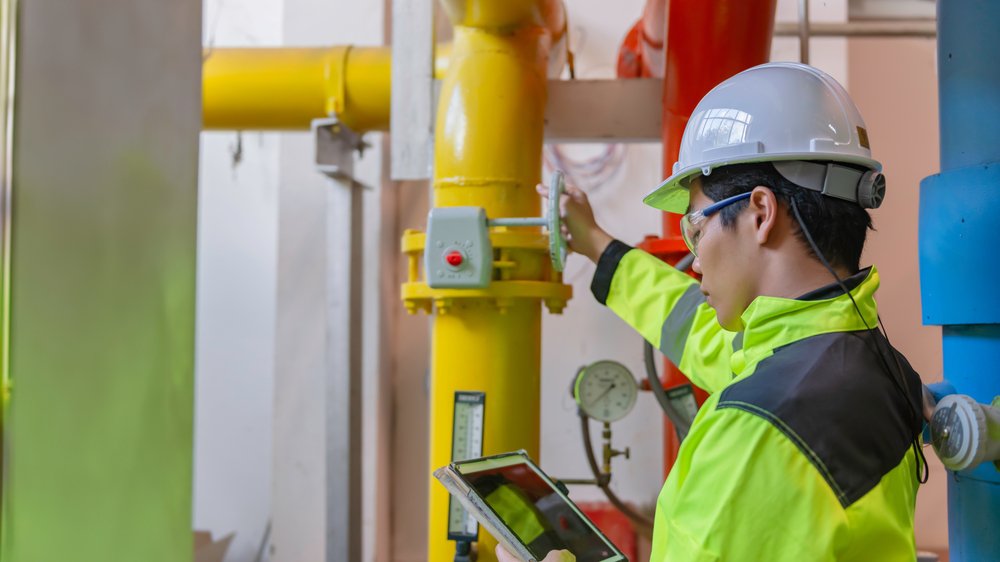
Prepared facilities typically have:
Established service partners who understand their systems
Access to rental equipment if downtime occurs
Clear communication processes for decision-making
Documentation of system history and previous maintenance
These factors help reduce response time and improve outcomes when emergencies arise. Emergency repairs remain part of the overall strategy, but they should not be the foundation.
A Balanced Strategy That Reduces Risk
The most effective approach combines proactive maintenance with a clear response plan for unexpected events. By prioritizing preventive boiler maintenance, facilities can:
Reduce the frequency of emergency repairs
Improve safety and compliance
Maintain consistent production schedules
Control costs more effectively
Extend the life of their equipment
This balance allows facility teams to focus on long-term performance instead of constant troubleshooting.
Our Approach to Supporting Facility Teams
Here at Boiler Pros, we believe that every facility deserves a maintenance and recovery plan that fits its specific needs. As a disabled veteran-owned and operated company, we take a hands-on approach to every project.
We meet with your team on-site to understand your system, your operational requirements, your space, and your budget. If your equipment is experiencing issues, we work alongside your staff to determine what can be done and how to move forward.
We also help facilities prepare for annual inspections and maintain compliance with state requirements. Whether your system was installed by us or another provider, we can assist in evaluating, maintaining, and improving its performance.
If your team is evaluating how to reduce downtime and improve reliability, we are ready to help. Contact us today to start building a maintenance strategy that supports your operation.