What to Look for in a Commercial Boiler Contractor
Choosing the right contractor can influence equipment reliability, operating costs, and long-term facility performance. A qualified commercial boiler specialist should understand system requirements, safety expectations, and the consequences of unplanned downtime. Carefully evaluating contractors helps facilities make informed decisions before committing to repairs, maintenance, or equipment upgrades.
Price matters, but it should not be the only consideration. Technical experience, clear communication, documented proposals, and responsive service all contribute to a successful working relationship. The right partner should also understand the facility's operating needs before recommending a solution.
1) Look for Commercial Boiler Experience
Commercial boiler systems vary in size, configuration, fuel requirements, and operating demands. Contractors need the technical knowledge to evaluate these differences and recommend appropriate solutions. Experience with similar equipment can also help them identify potential problems and installation challenges.
Ask how the contractor approaches unfamiliar equipment or existing systems with recurring issues. A thorough evaluation should include an on-site assessment, equipment history, available space, and operational requirements. Recommendations should reflect actual conditions, not assumptions.
Experience also matters when correcting problems with equipment another company installed. A dependable contractor should assess the existing system objectively and explain the available options.
2) Evaluate Commercial Boiler Safety and Inspection Knowledge
Boiler safety requires consistent attention to operating conditions, controls, and protective devices. Contractors should understand the relevant inspection requirements and recognize deficiencies that could affect safe operation.
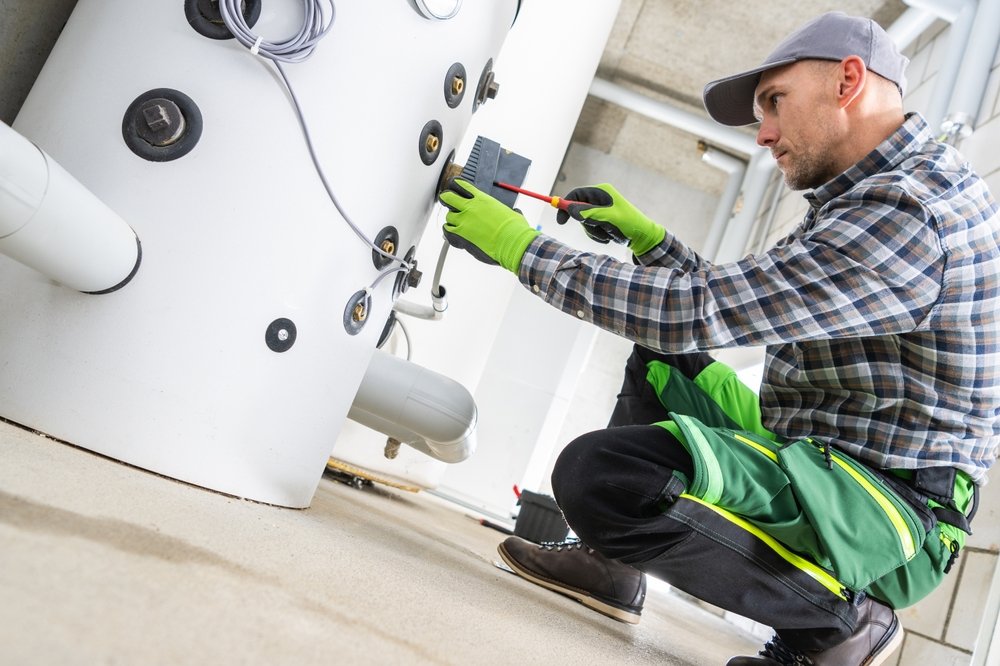
In Texas, boiler inspection intervals vary by equipment classification. The Texas Department of Licensing and Regulation (TDLR) lists certificate inspection intervals of 12, 24, or 36 months, depending on boiler type. Facilities can check equipment records through the Texas boiler data database.
A contractor should help identify maintenance concerns and prepare equipment for required inspections. However, routine maintenance does not replace legally required inspections. Clear guidance helps facilities understand their responsibilities and address problems promptly.
3) Prioritize Commercial Boiler Maintenance Capabilities
Reliable contractors offer a practical approach to preventive maintenance. Regular service helps identify issues before they cause unexpected shutdowns or costly repairs. Ask what the maintenance scope includes. Depending on the system, services may cover burner performance, controls, valves, safety devices, and related steam components.
For example, routine boiler inspections can help identify equipment deterioration and support maintenance planning. Evaluating steam trap failures can also reveal problems that affect steam distribution and system performance.
A good contractor should explain recommended service intervals and document completed work. Maintenance records provide valuable information for tracking recurring problems and planning future investments.
4) Expect Transparent Commercial Boiler Pricing
A professional proposal should explain the recommended work, associated costs, and expected project requirements. Vague estimates make it difficult to compare contractors or determine what the quoted price actually covers.
Request a written scope that identifies labor, materials, equipment, and any relevant exclusions. The contractor should also explain which conditions could affect the final cost. Unexpected findings sometimes require additional work.
In those situations, the contractor should explain the issue, provide revised pricing, and obtain approval before proceeding. This process protects budget control and establishes clear expectations. It also helps prevent disagreements about project scope after work begins.
5) Assess Communication and Project Planning
Strong communication can make complex boiler projects easier to manage. Contractors should explain technical issues in understandable terms and provide timely updates throughout the work. Project planning deserves equal attention. Installation and repair schedules should account for equipment delivery, site access, utility connections, inspections, testing, and commissioning.
Ask how the contractor handles schedule changes or unexpected complications. A clear process helps facility teams coordinate work and make decisions without unnecessary delays. Documentation should support every major project decision. Written recommendations, approved changes, and clear completion records give everyone a shared understanding of the work.
6) Ask How the Contractor Manages Downtime
Boiler outages can affect production, sanitation, heating, and other essential services. A contractor should recognize these operational risks and discuss practical ways to reduce disruption. Temporary equipment can help maintain essential steam service during major repairs or replacement projects. Temporary boiler planning helps facilities evaluate capacity, installation requirements, and project timing before taking equipment offline.
The contractor should also explain how temporary equipment would connect to existing systems. Site access, fuel supply, electrical service, and piping requirements can all affect implementation. Planning these details early provides more options if an outage becomes necessary. It also reduces pressure to rush permanent repairs or installation work.
7) Look for Commercial Boiler Solutions Tailored to the Facility
Every facility has different operating requirements, space limitations, and budget considerations. A contractor should evaluate these factors before recommending repairs, upgrades, or replacement equipment. Ask whether the contractor can assess the existing system and compare practical options. Sometimes a targeted repair addresses the problem. In other cases, recurring failures or changing capacity needs may justify a larger investment.
A tailored recommendation should explain the reasoning behind the proposed work. It should also identify relevant trade-offs, limitations, and expected outcomes without promising results the contractor cannot guarantee. This approach supports informed decisions and helps align the project with actual operational needs.
Choose a Commercial Boiler Contractor You Can Trust
The right contractor combines technical knowledge, safety awareness, reliable communication, and transparent pricing. Careful evaluation helps facilities choose a partner who can address immediate problems while supporting long-term equipment performance.
At Boiler Pros, we meet with customers on-site to review equipment, operating requirements, available space, and budget. We develop practical recommendations for repairs, maintenance, upgrades, rentals, and complete boiler solutions. Our team documents the proposed scope and obtains approval before making changes.
Whether the project involves an existing system or a planned upgrade, we work directly with customers to find a solution that fits their needs.
Contact us today to get a free quote.