Valve Failures in Steam Lines and TDLR Inspection Impacts
Steam systems are the backbone of countless operations across Texas. When valve failures occur, the consequences ripple far beyond a single piece of equipment. They can shut down entire processes, trigger costly emergency repairs, and put your facility at serious risk during a state inspection.
What Causes Valve Failures in Steam Lines
Steam system valves operate under punishing conditions day after day. High pressure, thermal cycling, and corrosive condensate all wear down components over time. When maintenance is deferred or overlooked, that wear accelerates dramatically.
Common root causes of valve failures include internal corrosion from untreated condensate, erosion from repeated pressure surges, and damaged seating surfaces from improper operation. Valves that are opened or closed too quickly in live steam lines are especially vulnerable. Even a minor seat leak, left unaddressed, can escalate into a complete failure within weeks.
Poor water treatment is another leading contributor. When steam system chemistry is off, scale deposits build up inside valve bodies and restrict flow. That restriction creates pressure differentials that stress the valve beyond its design limits. The result is often a sudden failure rather than a gradual one.
How Valve Failures Affect System Performance
A single failed valve rarely stays an isolated problem. Upstream pressure builds, downstream equipment starves for steam, and your team scrambles to compensate manually. Production slows or halts entirely while the root cause is traced.
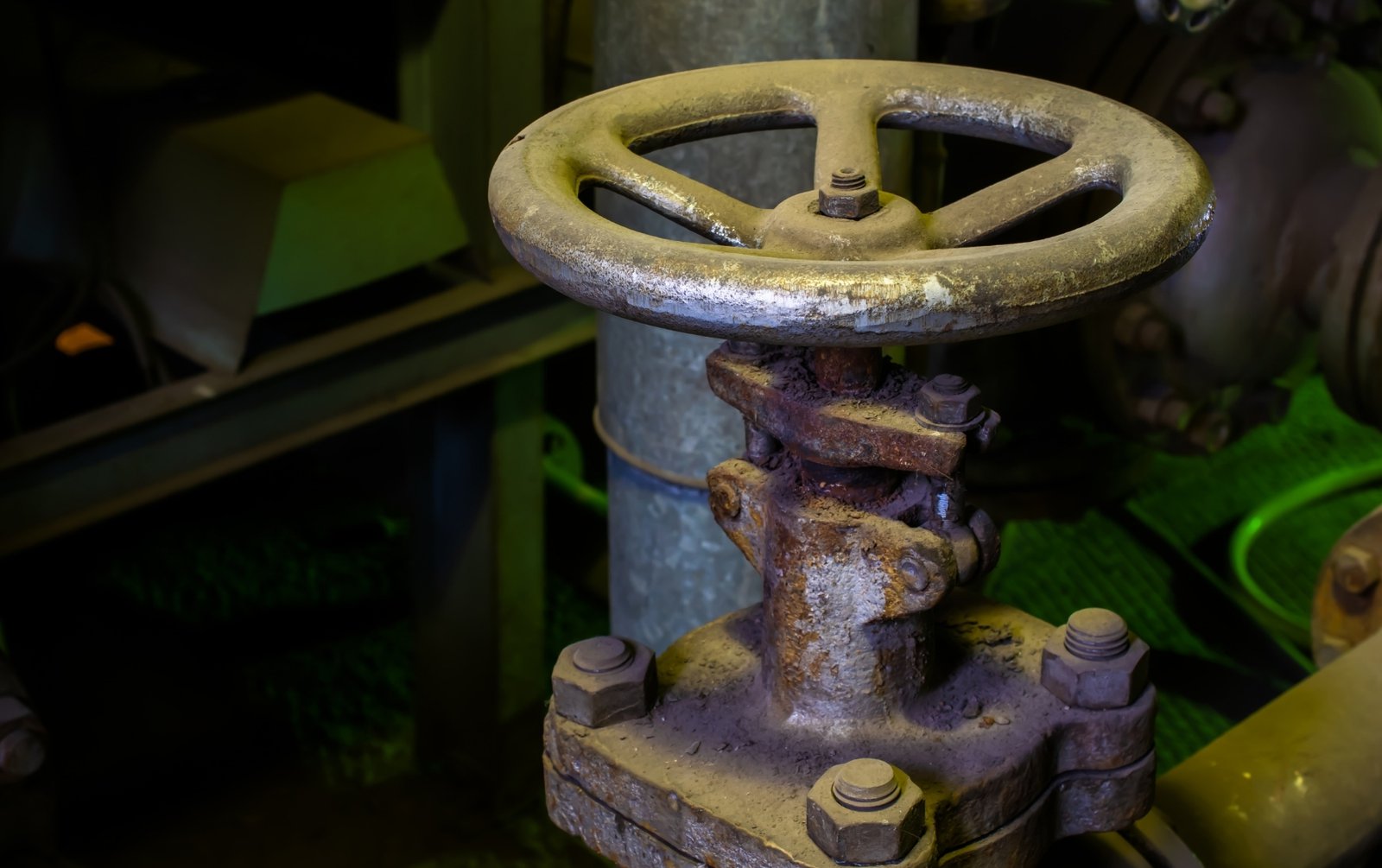
Valve failures also generate water hammer, which is the jarring shock that travels through pipe when steam and condensate collide. Water hammer puts stress on fittings, flanges, and adjacent valves. Left unchecked, it can crack pipe and damage heat exchangers far removed from the original failure point.
Beyond the physical damage, valve failures drive up energy costs. A leaking control valve or a failed steam trap wastes significant BTUs continuously. Over a fiscal quarter, those losses add up to numbers that facilities managers notice in the budget.
The Texas TDLR Inspection Connection
The Texas Department of Licensing and Regulation conducts annual boiler and pressure vessel inspections across the state. These inspections follow a published schedule that facility operators can access directly. Knowing your inspection window in advance is one of the most practical steps you can take.
Inspectors evaluate the entire pressure system, not just the boiler itself. That includes steam line components, safety valves, pressure relief devices, and the mechanical condition of associated hardware. Valve failures or evidence of unaddressed valve deterioration can result in a failed inspection, an out-of-service order, or a required corrective action timeline.
Out-of-service orders carry real operational weight. A facility that loses its boiler certification must suspend steam-dependent operations until the deficiency is corrected and the system re-inspected. In industries where steam is continuous and critical, even a brief shutdown creates financial and logistical strain that can take weeks to fully recover from.
Preventing Valve Failures Before Inspection
A proactive maintenance schedule is the most reliable defense against both valve failures and inspection deficiencies. Routine checks should include visual inspections for external corrosion, leak testing at packing glands and flanges, and verification that all safety valves operate freely. Any valve that shows binding, weeping, or unusual noise during operation should be evaluated immediately rather than added to a deferred list.
Documenting your maintenance activity matters just as much as performing it. Inspectors respond well to organized maintenance logs that demonstrate ongoing attention to the system. Facilities that walk into an inspection with thorough records typically move through the process more smoothly than those that rely on visual condition alone.
Valve selection also plays a long-term role in failure prevention. Selecting the correct valve type and materials for your specific steam pressure and temperature reduces wear rates significantly. A valve specified for a lower pressure class than what your system actually runs at will fail prematurely and predictably.
Responding to Valve Failures When They Happen
Even the best-maintained systems experience failures. The priority in those moments is limiting operational impact while a permanent repair is planned. Isolation of the affected segment, verification that bypass arrangements are in place, and a clear assessment of downstream effects should happen quickly and in sequence.
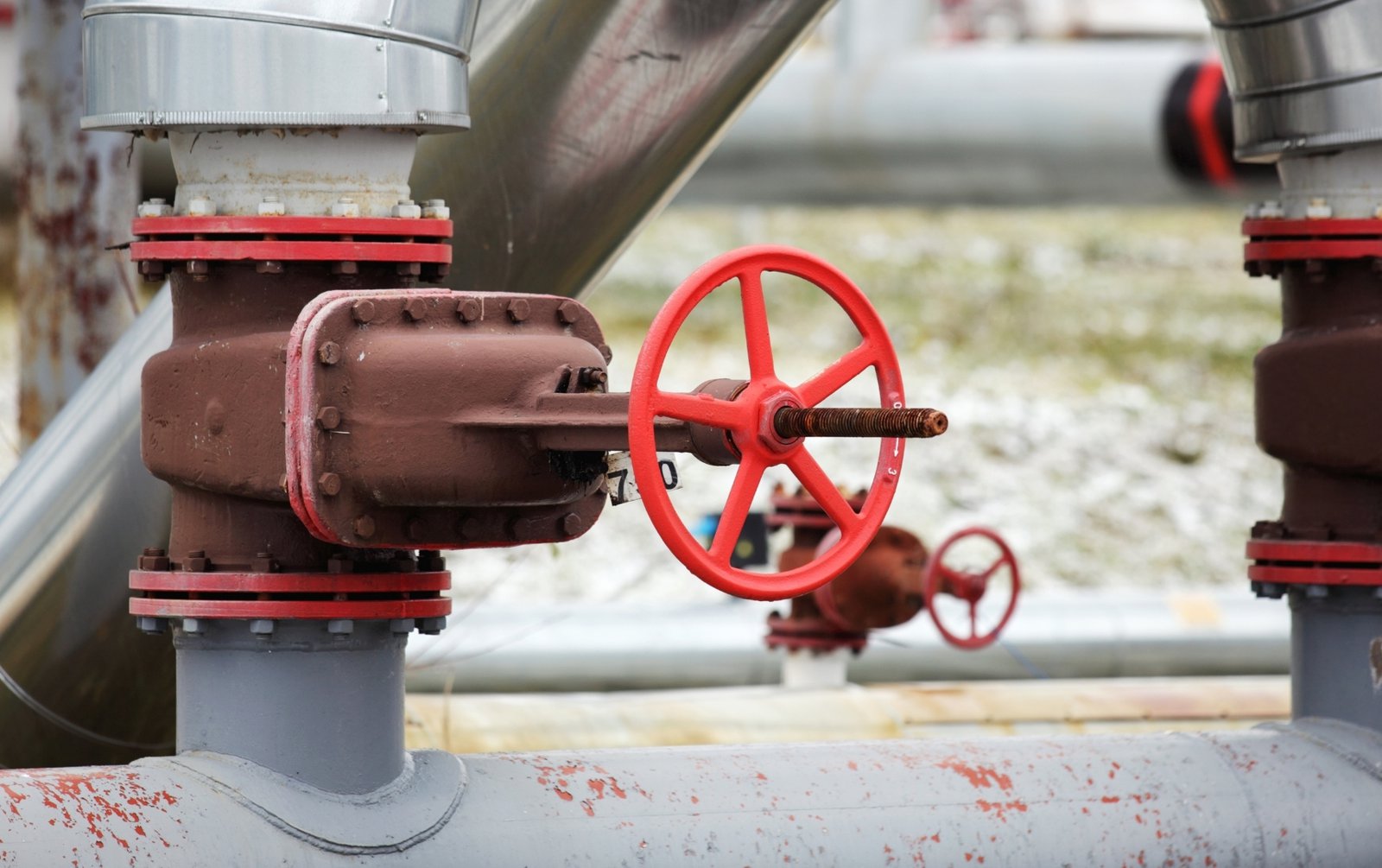
Temporary rentals can bridge the gap when a system must stay partially operational during repair. Getting rental equipment on-site fast reduces the window of disruption and preserves output during what could otherwise be an extended outage. Planning for that possibility in advance, rather than scrambling when a failure occurs, keeps your team in control of the situation.
Once the immediate issue is stabilized, a root cause analysis is essential. Replacing a failed valve without addressing why it failed means the replacement will follow the same path. A thorough review of operating pressures, water chemistry, and maintenance history typically reveals the contributing factors clearly.
What a Full System Assessment Reveals
Valve failures are rarely isolated events. They are usually signals that something broader in the system deserves attention. A comprehensive assessment of your steam lines often surfaces issues that are not yet causing symptoms but will eventually. Identifying those issues before they escalate is far less expensive than responding after a failure.
System assessments also provide a documented baseline that supports future inspections. When TDLR inspectors ask about system condition and maintenance history, a current assessment with a corrective action record gives you concrete, credible answers. That documentation reflects well on your facility and demonstrates that the system is being managed responsibly.
At Boiler Pros, we take a hands-on approach to every system we work with by providing complete boiler solutions. We come to your facility, meet with your team, and evaluate your steam system in person before recommending any solution. We put everything in writing and make no changes without your approval.
Whether your system needs preventive work ahead of a TDLR inspection or is already experiencing valve failures that need immediate attention, we are ready to help. Contact us today to get a free quote.