
Common Reasons to Fail Boiler Inspections in Texas
Boiler inspections in Texas follow a clear regulatory structure, yet inspection failures remain common across commercial and industrial facilities. In our work with boiler inspections, we see that most failures are preventable. They usually stem from deferred maintenance, incomplete documentation, or misunderstandings about what inspectors are authorized to evaluate.
Texas inspections are overseen by the Texas Department of Licensing and Regulation (TDLR). Inspectors are required to follow consistent criteria, which means facilities can prepare effectively when they know where problems typically arise. This article outlines the most common reasons boiler inspections fail in Texas and how facility teams can reduce risk before inspection day arrives.
Incomplete or Outdated Boiler Documentation
One of the fastest ways to fail boiler inspections is through missing or incorrect paperwork. Inspectors verify that boiler registration, inspection certificates, and historical records match the equipment installed on-site.
Common documentation issues include:
Expired inspection certificates posted on the boiler
Boiler serial numbers that do not match registration records
Missing documentation for prior repairs or alterations
Inaccurate ownership or location information in TDLR records
Even when a boiler operates safely, documentation discrepancies can delay approval. Verifying records against the state database well before the inspection date prevents avoidable setbacks.
Malfunctioning Safety Devices
Safety devices are a primary focus during boiler inspections. Inspectors expect these components to operate exactly as designed, without bypasses, damage, or delayed response.
Frequent safety-related failures include:
Pressure relief valves that are leaking, stuck, or improperly sized
Safety interlocks that are disabled or overridden
Low-water cutoffs that fail to trip during testing
Alarms that do not activate when conditions exceed limits
These failures often result from infrequent testing rather than component age. Regular functional checks help ensure safety systems perform correctly when inspectors test them.
Evidence of Deferred Maintenance
Inspectors can identify signs of neglected maintenance quickly. Corrosion, leaks, scaling, and damaged insulation all raise red flags during inspections.
Deferred maintenance commonly shows up as:
Corroded piping or fittings
Visible water or steam leaks
Excessive scale or sediment buildup
Deteriorated insulation or laggingImproper temporary repairs
While some wear is expected, inspectors look for patterns that suggest ongoing neglect. Facilities that address small issues throughout the year tend to avoid inspection failures tied to condition concerns.
Improper Repairs or Modifications
Repairs and alterations must meet code requirements and be performed correctly. Inspectors review modifications closely, especially those affecting pressure boundaries or safety controls.
Inspection failures often occur due to:
Unapproved welds or pressure component repairs
Modifications completed without required documentation
Non-code-compliant replacement parts
Changes to controls that alter safety logic
Any significant repair should be documented and traceable. When inspectors cannot verify compliance, they may require additional review or shutdown until corrections are confirmed.
Control and Burner Performance Issues
Operational testing is part of most inspections. Inspectors observe burner startup, shutdown, and response to simulated fault conditions.
Control-related failures often include:
Burners that fail to ignite consistently
Flame safeguards that do not trip properly
Control panels with damaged wiring or loose connections
Incorrect setpoints on operating or safety controls
These issues can appear even when boilers run daily. Periodic operational testing under inspection-like conditions helps uncover problems early.
Missed Deadlines for Boiler Inspections
Inspection timing matters. Operating a boiler beyond its inspection due date places facilities out of compliance, regardless of system condition.
Missed deadlines often result from:
Changes in facility management or staffing
Assumptions that inspection intervals changed
Failure to monitor inspection schedules in the TDLR system
Delays caused by unplanned outages or repairs
Texas maintains an online boiler data system where facilities can confirm inspection due dates. Monitoring this schedule avoids compliance lapses that can trigger enforcement action.
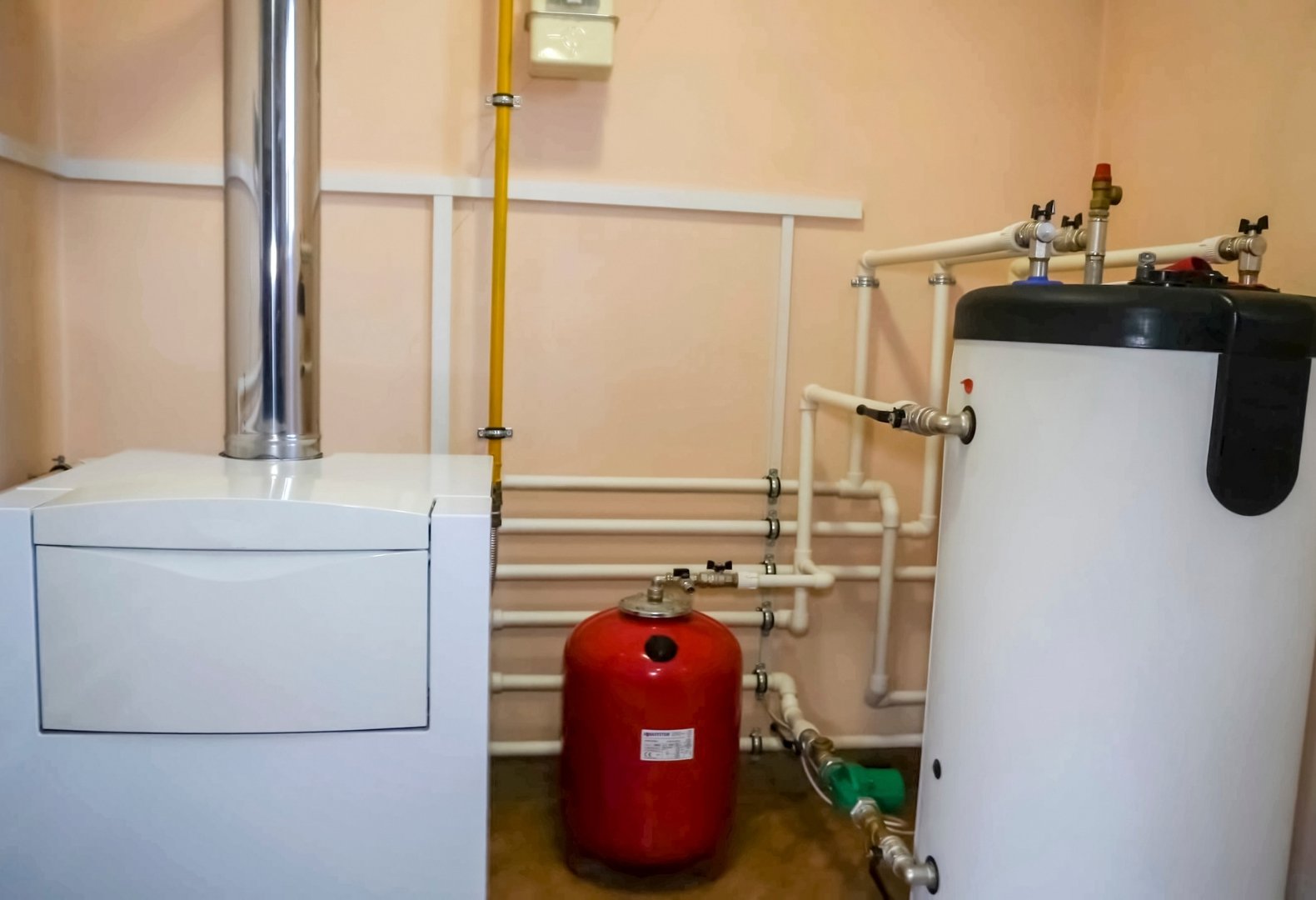
Poor Preparation for Boiler Inspections
Inspection failures are not always tied to equipment condition. In many cases, preparation issues slow the process or prevent inspectors from completing required evaluations.
Preparation-related issues include:
Boilers not properly shut down for open inspections
Lack of access to manways, valves, or controls
Missing knowledgeable personnel during inspections
Incomplete readiness for required testing
Clear coordination before inspection day ensures inspectors can perform their work efficiently and without interruption.
How Facilities Reduce Failure Risk in Boiler Inspections
Facilities that consistently pass inspections take a proactive approach. They treat inspections as part of a year-round maintenance cycle rather than a single annual event.
Effective strategies include:
Performing internal inspections between official visits
Testing safety devices on a regular schedule
Reviewing documentation quarterly
Planning maintenance around inspection intervals
Addressing minor issues before they escalate
This approach improves safety and reduces the likelihood of last-minute repairs or unexpected shutdowns.
Maintaining Compliance Across Texas Facilities
Boiler inspections in Texas follow established rules and predictable criteria. Failures typically occur when maintenance, documentation, or preparation falls behind operational demands. By focusing on the most common failure points, facilities can protect uptime and compliance.
At Boiler Pros, we work directly with facility teams to prepare boilers for inspection, correct deficiencies identified by inspectors, and plan maintenance strategies that align with Texas requirements. As part of our ongoing maintenance services, we actively track inspection due dates and regulatory timelines, helping ensure your boiler is inspection-ready well before deadlines approach. We support inspections for new and existing systems, including equipment we did not originally install, and help facilities stay prepared year after year.
Strong inspection outcomes start with informed planning and experienced support. Contact us today to keep your boiler inspections on schedule and your operations running without disruption.