Steam Leaks, Energy Loss, and Compliance Concerns
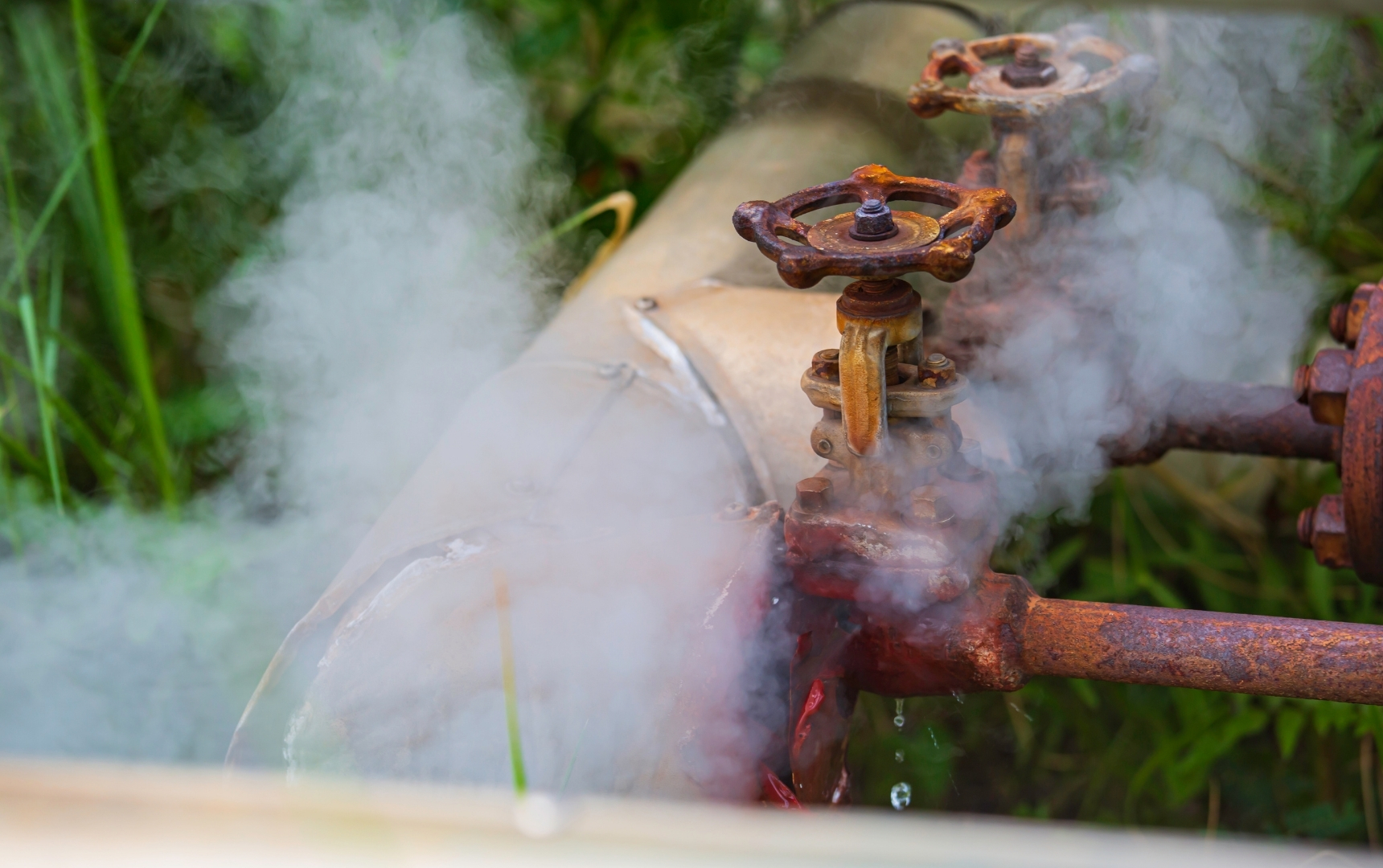
Steam systems support critical operations across many commercial and industrial facilities. Even small steam leaks can create serious operational challenges over time. What begins as minor energy loss may eventually lead to higher utility costs, equipment damage, failed inspections, and unplanned downtime.
Many facilities delay repairs because steam leaks often appear manageable during the early stages. Unfortunately, steam escaping from valves, piping, traps, or fittings places additional strain on the entire system. As pressure and efficiency decline, operating costs rise, and safety risks become more difficult to control.
Facilities that address steam system issues early often experience better reliability, lower maintenance expenses, and fewer compliance concerns during annual inspections.
How Steam Leaks Affect System Efficiency
Steam systems depend on controlled pressure and temperature to operate efficiently. When leaks develop, the system works harder to maintain demand throughout the facility.
Even a small leak can waste large amounts of energy over time. Escaping steam forces boilers to cycle more frequently, which increases fuel consumption and accelerates wear on system components.
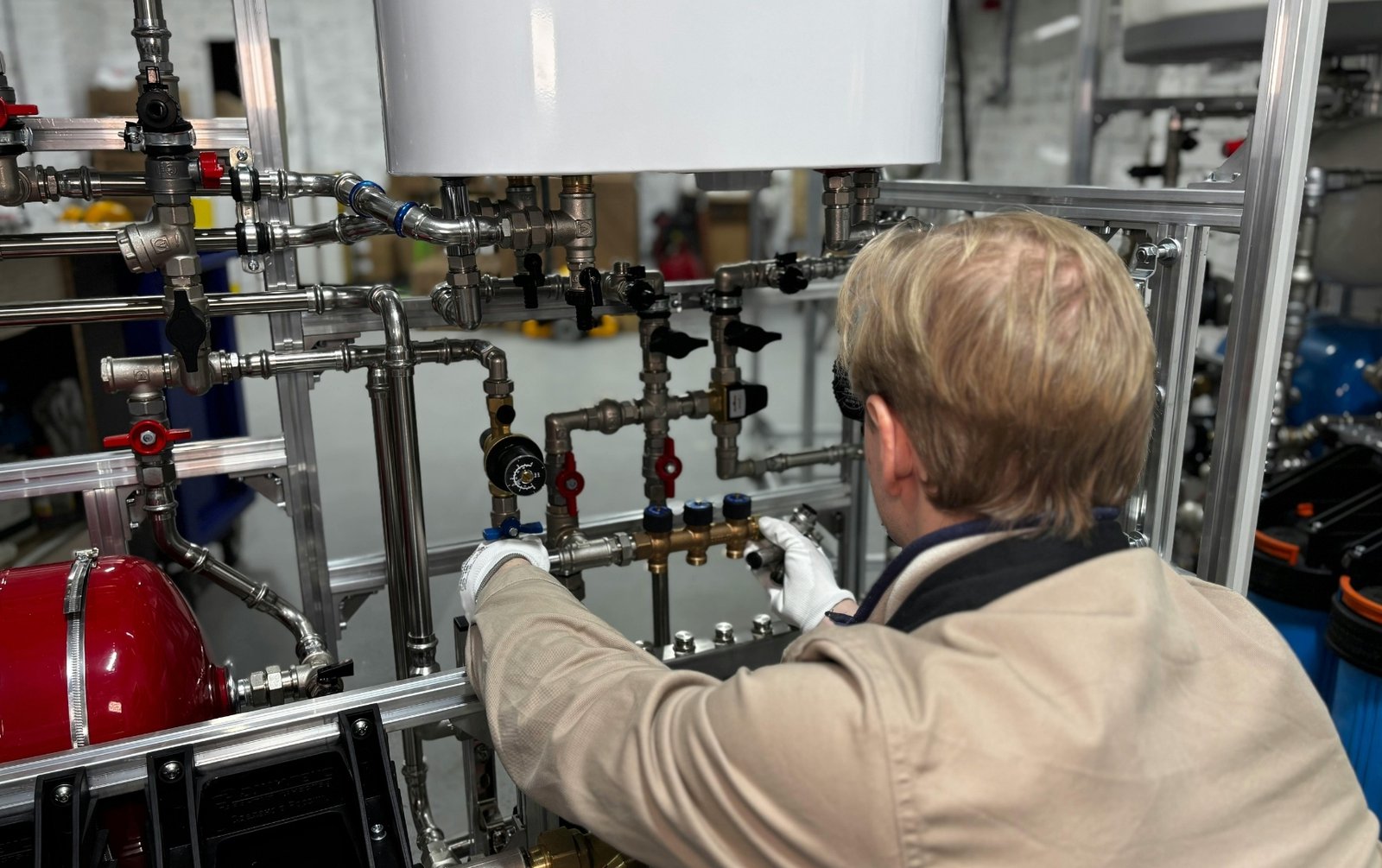
Leaks commonly develop around valve stems, pipe joints, flanges, pressure regulators, and condensate return lines. Steam traps can also fail gradually and allow steam to escape continuously. In many facilities, these problems remain unnoticed because they develop slowly and become part of normal daily operations.
As leaks continue, boilers must compensate for pressure loss throughout the system. This additional strain affects combustion efficiency and increases stress on pumps, valves, and control systems.
Steam Leaks and Rising Operating Costs
Facilities often notice rising utility bills before identifying the source of the problem. Steam leaks contribute directly to increased fuel usage and reduced system performance.
As boilers work harder to maintain steam pressure, operating expenses continue to increase. Water loss creates additional costs because replacement water requires treatment and reheating before it can reenter the system. Over time, these hidden expenses become significant.
Steam leaks may also create inconsistent heating, slower production cycles, and more frequent maintenance demands. Equipment exposed to excessive moisture and pressure fluctuations often experiences shorter service life.
Facilities that monitor steam usage trends and maintenance patterns often identify inefficiencies before larger failures occur.
Compliance Concerns Linked to Steam Leaks
Steam leaks can create serious compliance and inspection concerns. Inspectors often view visible leaks as indicators of deferred maintenance or deteriorating system conditions.
Leaking steam may reduce visibility near equipment and increase moisture accumulation throughout work areas. Excess moisture can damage insulation, accelerate corrosion, and create elevated surface temperatures around critical equipment.
In many facilities, these conditions also create safety hazards for personnel working near steam systems. Condensation around equipment and walkways increases the risk of slips and falls, especially in high-traffic areas.
Annual boiler inspections evaluate both system safety and operating condition. Facilities with unresolved steam leaks may face citations, required repairs, or additional follow-up inspections.
In Texas, boiler inspections follow requirements established by the Department of Licensing and Regulation Boiler Program. Staying ahead of maintenance concerns helps reduce inspection complications and operational disruptions.
Maintenance documentation also matters during inspections. Records that show ongoing repairs, testing, and evaluations help demonstrate that the facility actively maintains safe operating conditions.
Common Causes of Steam Leaks
Steam leaks develop for many reasons. Some issues result from aging infrastructure, while others stem from installation problems or inconsistent maintenance practices.
Corroded piping, worn valve packing, failed gaskets, and improperly installed components often contribute to steam loss. Repeated thermal expansion and vibration place additional stress on piping systems over time. Older systems typically require closer monitoring because years of heating and cooling cycles gradually weaken critical components.
Water quality problems can also accelerate internal corrosion and equipment deterioration. Facilities that postpone water treatment evaluations often experience more frequent steam-related failures.
Identifying the root cause of a leak is important because temporary repairs may only delay larger problems. Long-term system reliability depends on correcting the underlying issue rather than masking symptoms.
Steam Leaks Can Damage Nearby Equipment
Steam escaping from pressurized systems affects more than energy efficiency. Continuous moisture exposure can damage nearby equipment and create additional maintenance concerns throughout the facility.
Electrical systems located near leaking steam lines may become vulnerable to moisture intrusion. Corrosion can spread to nearby piping, supports, and structural components. Insulation exposed to excessive moisture often loses effectiveness and eventually requires replacement.
These conditions can gradually increase maintenance costs across multiple areas of the facility. In some cases, surrounding equipment failures become more expensive than the original steam leak itself. Addressing leaks quickly helps prevent secondary damage and supports safer operating conditions.
Why Delayed Repairs Create Bigger Problems
Facilities sometimes postpone repairs to avoid operational interruptions. Unfortunately, small steam leaks rarely remain minor for long periods.
Pressure fluctuations and continuous thermal expansion place additional strain on weakened components. Over time, small leaks may develop into major piping failures or unexpected equipment shutdowns.
Emergency repairs often create additional operational challenges. Facilities may face rushed scheduling decisions, limited parts availability, and production delays while repairs are completed.
Proactive maintenance planning helps facilities control repair schedules and reduce emergency service costs. Early intervention also allows maintenance teams to address issues before they affect inspections or production demands.
Ongoing Steam Leak Detection Improves Reliability
Steam systems operate under demanding conditions every day. Ongoing monitoring helps facilities identify developing problems before they create operational disruptions.
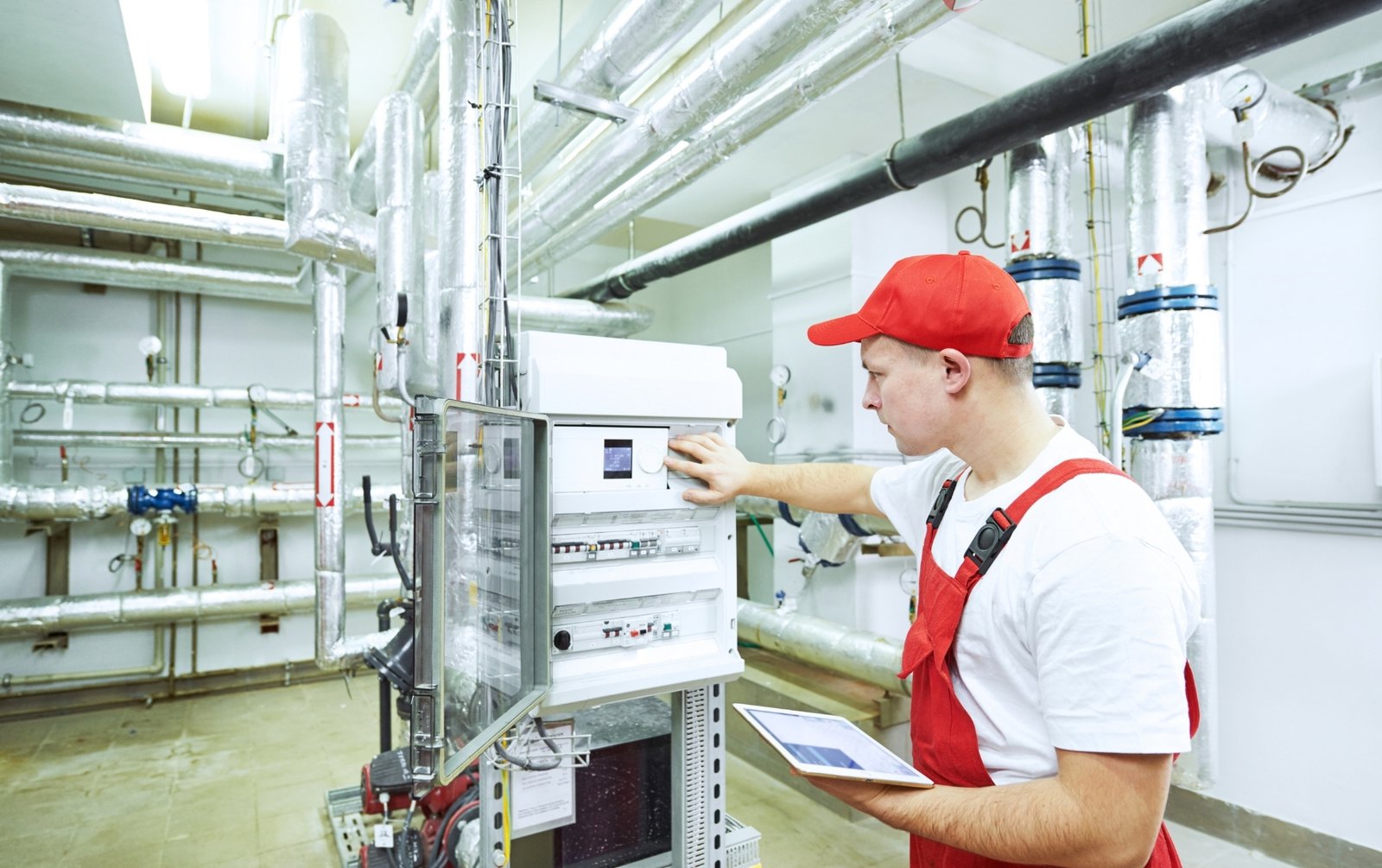
Visual inspections, pressure monitoring, ultrasonic testing, and steam trap surveys can help maintenance teams locate inefficiencies throughout the system. Thermal imaging evaluations may also reveal hidden leaks or damaged insulation areas that would otherwise remain unnoticed.
Regular system reviews support both efficiency and safety goals. Facilities that track maintenance history and recurring problem areas often improve long-term reliability and reduce repair costs.
Work With a Team That Provides Clear Solutions
Steam system problems require practical solutions that support daily operations. Facilities benefit from experienced teams that communicate clearly and provide realistic recommendations.
At Boiler Pros, we provide complete boiler solutions from routine maintenance work to complete repairs. We work directly with customers to evaluate steam leaks, identify system concerns, and develop repair strategies that fit operational needs. If a system outage occurs, we can also help coordinate rental equipment to minimize operational disruption while repairs are completed.
Steam leaks can increase operating costs, reduce efficiency, and create compliance concerns that affect the entire facility. Early action helps protect equipment, improve reliability, and reduce long-term expenses.