
Capital Budget Planning for Boiler Systems
Capital spending decisions shape facility performance for years. A well-planned investment in boiler systems can improve reliability, efficiency, safety, and continuity. The equipment price rarely tells the full story. Capital planning should account for performance, demand, maintenance needs, installation requirements, and downtime.
Why Boiler Systems Deserve a Capital Planning Strategy
Boilers often support processes that facilities cannot easily interrupt. Hospitals may depend on steam for sterilization and hot water services. Food packaging facilities may need steam for sanitation and production. Manufacturing operations can rely on stable steam or hot water for critical processes.
Replacing or upgrading equipment requires more than comparing purchase prices. Decision-makers need to evaluate operating costs, reliability, safety, and future needs. A capital plan creates a structured way to address aging equipment. Rather than waiting for a major failure, facility teams can identify projects early. They can then schedule work around operational demands.
Assess Existing Boiler Systems Before Budgeting
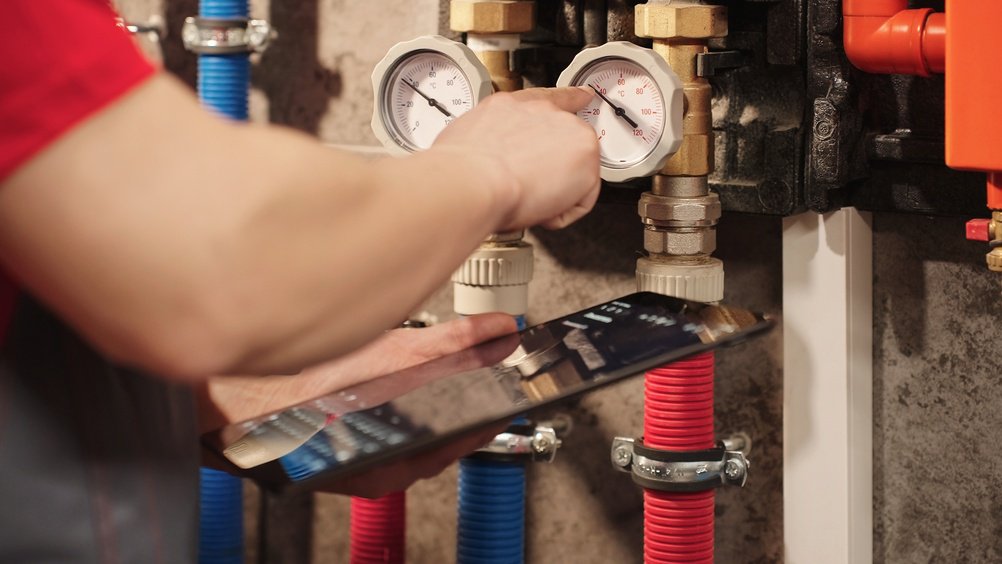
Start by establishing the boiler system's current condition. Maintenance records, inspection findings, repair histories, and operating data reveal priority areas. Recurring repairs deserve particular attention. Frequent component failures can indicate that equipment has reached an advanced stage of its service life.
Rising maintenance requirements can also make continued operation less predictable. Inspection findings provide another valuable planning input. Texas facilities must meet applicable boiler inspection requirements, and inspection results can reveal conditions requiring correction. Reviewing these findings alongside maintenance records helps establish realistic priorities.
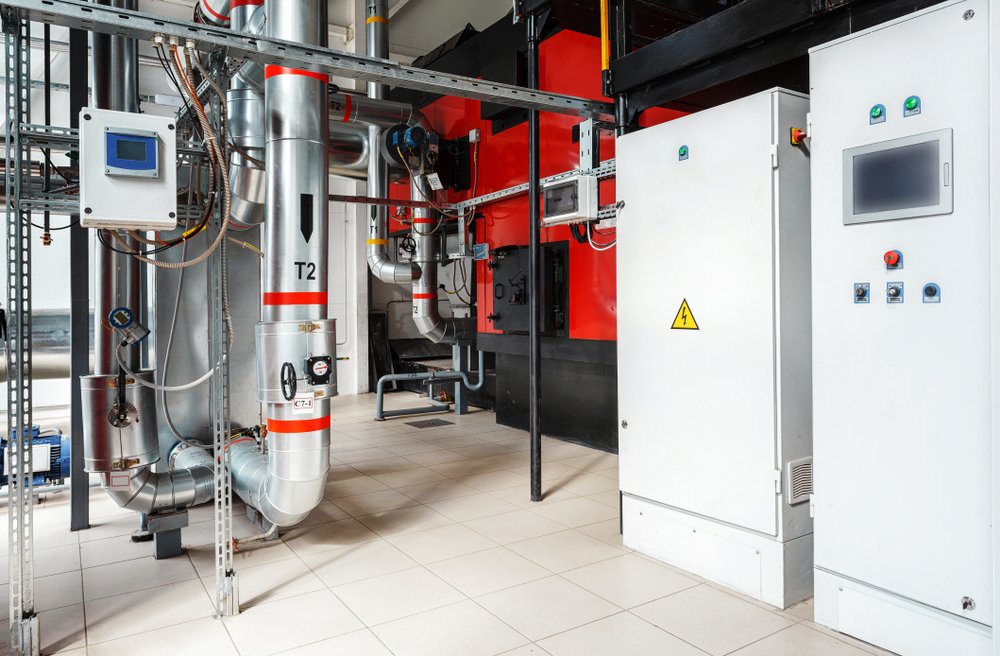
Facilities should also evaluate capacity. A boiler meeting today's demand may struggle after an expansion or process change. Capital planning should account for expected changes.
Evaluate Total Costs, Not Equipment Price Alone
The purchase price represents only one part of a boiler capital project. Installation, controls, burner work, piping, electrical requirements, water treatment, commissioning, and related modifications can affect final project costs. Operating expenses also deserve attention.
An inefficient system can increase fuel consumption over time. Older controls may also limit performance improvements. Maintenance requirements also influence long-term costs. Frequent repairs can raise labor costs and create unpredictable maintenance budgets.
Comparing lifecycle costs gives decision-makers better information. It can distinguish a lower initial investment from a project supporting stronger long-term value.
Align Boiler Systems With Facility Demand
Capital planning should reflect how the facility actually uses steam or hot water. A system designed around outdated demand may create capacity problems or unnecessary operating costs. Start by reviewing current load requirements and operating schedules.
Identify seasonal changes, production peaks, planned expansions, and processes that may change over time. Oversizing can also create problems. A boiler operating far below its intended load may cycle inefficiently and consume unnecessary fuel. Proper sizing helps align equipment capacity with real operating conditions.
System configuration matters, too. Multiple boilers can provide flexibility and redundancy for facilities with critical steam demands. The configuration depends on load requirements, space, fuel availability, and operational priorities.
Plan Boiler Systems Projects Around Downtime
Even a well-justified capital project can create operational challenges during installation. Boiler replacement or major upgrades may require shutdowns that affect production or essential services. Project planning should identify the outage window early. It should account for lead times, site preparation, inspections, commissioning, and schedule changes.
Temporary boiler equipment can provide another planning option. Rental boilers can maintain essential steam service while permanent equipment undergoes replacement or repairs. Boiler Pros has also addressed temporary boiler planning for major maintenance projects.
A temporary solution provides flexibility when unexpected conditions extend a project. This approach gives project teams more time to complete permanent work without rushing critical installation or commissioning steps.
Prioritize Boiler Systems Upgrades by Risk and Impact
Not every capital project needs to happen at once. A practical capital plan ranks projects according to risk, safety, maintenance history, and business impact. Safety-related deficiencies should receive prompt attention. Repeated failures may also justify earlier capital investment when repairs become increasingly frequent or disruptive.
Efficiency improvements can be evaluated separately. Burner upgrades, controls modernization, and other improvements may reduce operating costs while supporting consistent performance. Capacity projects should align with documented business needs. Expansion plans, production changes, and new processes can justify investment before existing capacity becomes a constraint.
Build Contingency Into Boiler Systems Budgets
Capital projects rarely proceed exactly as planned. Hidden conditions, site modifications, equipment changes, and schedule delays can affect final costs. A responsible budget should include contingency funds. The amount depends on project scope, equipment condition, site complexity, and available information.
Clear documentation can also reduce financial surprises. Written scopes, defined responsibilities, and approved changes help keep projects aligned with the approved budget. The same principle applies to temporary boiler costs. Rental rates represent only part of the financial equation. Lost production and extended outages also affect total costs.
Use Inspection and Maintenance Data for Future Planning
Capital planning improves when it connects maintenance activity with long-term investment decisions. Inspections, repair records, and performance data can reveal important trends. For example, repeated valve replacements may point toward broader equipment concerns. Recurring burner issues could indicate the need for combustion or control upgrades.
Persistent steam system problems may also justify targeted repairs or modernization. Facilities can then build projects around documented needs rather than assumptions. This approach makes budget discussions more specific and helps establish why an investment matters.
Boiler Pros Supports Practical Capital Planning
Capital planning for boiler systems works best when financial decisions reflect actual facility conditions. Equipment age, maintenance history, inspection findings, capacity requirements, operating costs, and downtime risks all belong in the evaluation.
Boiler Pros works directly with facility teams to assess existing equipment and recommend the right boiler solution. We review operational needs, available space, and budget considerations before recommending a path forward. Our team can also help address existing issues and coordinate temporary boiler support when a system must go offline.
We document every recommendation, and changes require approval before work proceeds. That transparent process helps facilities make informed decisions while planning solutions around operational requirements.
Contact us today to get a free quote.