Cost Considerations for Temporary Boiler Solutions
When a boiler must be taken offline for repairs, replacement, or planned maintenance, one of the first questions facility managers ask is how much a temporary boiler will cost. While rental equipment represents an added project expense, it is important to evaluate that cost within the context of the overall operation. In many situations, maintaining steam or hot water service prevents production losses, service interruptions, and schedule delays that could far exceed the cost of a temporary system.
Looking beyond the rental rate alone provides a more accurate picture of value. A well-planned temporary boiler solution can protect revenue, support compliance, and allow maintenance projects to move forward without placing unnecessary pressure on facility personnel.
Looking Beyond the Rental Price
The rental cost of a temporary boiler is only one part of the financial equation. Facilities should also consider the potential costs associated with shutting down operations, delaying maintenance, or extending equipment outages. Depending on the industry, even a single day of downtime may result in lost production, canceled services, missed delivery deadlines, or dissatisfied customers.
Evaluating the total cost of ownership helps decision makers compare options more effectively. Rather than focusing solely on the price of the rental equipment, organizations should measure how temporary steam generation protects overall operational performance and reduces financial risk.
Project Scope Influences Overall Costs
No two temporary boiler projects are exactly alike. The equipment needed for a hospital replacing a central boiler may differ significantly from the system required for a manufacturing facility completing planned maintenance. Understanding the project's specific requirements helps create more accurate cost expectations and supports better planning.
Several factors influence the total investment, including:
Boiler capacity requirements
Steam pressure needs
Fuel type and availability
Length of the rental period
Supporting equipment requirements
Installation complexity
Transportation and site access
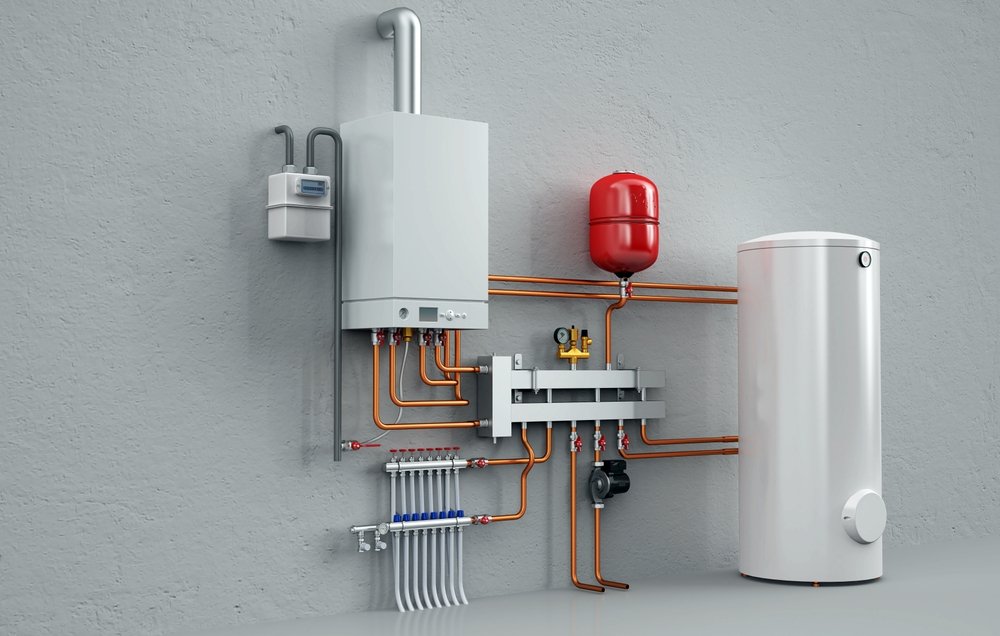
Reviewing these details during the planning phase helps facilities identify opportunities to improve efficiency while avoiding unexpected expenses later in the project.
Downtime Can Be the Most Expensive Cost
For many facilities, the largest financial impact is not the rental equipment itself but the loss of operations when steam is unavailable. Manufacturing lines may stop production, hospitals may need to postpone certain activities, and food processing facilities can experience disruptions that affect product schedules and sanitation procedures. Those operational interruptions often create costs that quickly exceed the investment in a temporary system.
A temporary boiler allows organizations to continue serving customers, patients, or production demands while permanent equipment is repaired or upgraded. Maintaining continuity helps preserve productivity, stabilize operating schedules, and reduce the indirect financial consequences of prolonged outages.
Planning Ahead Helps Control Expenses
Emergency situations often limit available options and increase project costs. When facilities prepare for planned outages well in advance, they have more time to coordinate schedules, evaluate equipment needs, and organize installation activities. That preparation frequently results in a more efficient project with fewer unexpected expenses.
Early planning also allows maintenance teams to coordinate contractors, utility providers, and facility personnel before work begins. Identifying potential challenges ahead of time reduces delays that can extend rental periods or increase labor costs. A proactive approach often delivers better financial outcomes than reacting after an outage has already occurred.
Proper Equipment Sizing Matters
Selecting equipment that matches the facility's actual steam demand is another important factor in managing project costs. An oversized boiler may consume more fuel than necessary, while an undersized unit may struggle to support operations during periods of peak demand. Either situation can reduce efficiency and create avoidable expenses throughout the rental period.
Working with an experienced provider helps facilities evaluate operating requirements and select equipment that supports both performance and cost control. Proper sizing also improves system reliability, allowing the temporary boiler to operate more efficiently until the permanent system returns to service.
Installation and Site Preparation Affect the Budget
The installation process represents another component of the overall project cost. Site conditions, utility connections, equipment access, and temporary piping requirements all influence the time and resources needed to place a rental boiler into operation. Facilities that prepare these elements before equipment arrives often complete installations more efficiently.
Preparation may involve clearing installation areas, confirming electrical service, verifying fuel connections, or coordinating access for delivery vehicles. Completing these tasks in advance helps reduce installation delays and supports a smoother transition to temporary steam service.
Long-Term Value Extends Beyond the Project
Although a temporary boiler is intended to serve a short-term purpose, the benefits often extend well beyond the rental period. Facilities gain the flexibility to complete repairs thoroughly, replace aging equipment without unnecessary pressure, and improve long-term system reliability. These advantages can reduce future maintenance issues and help organizations avoid additional unplanned outages.
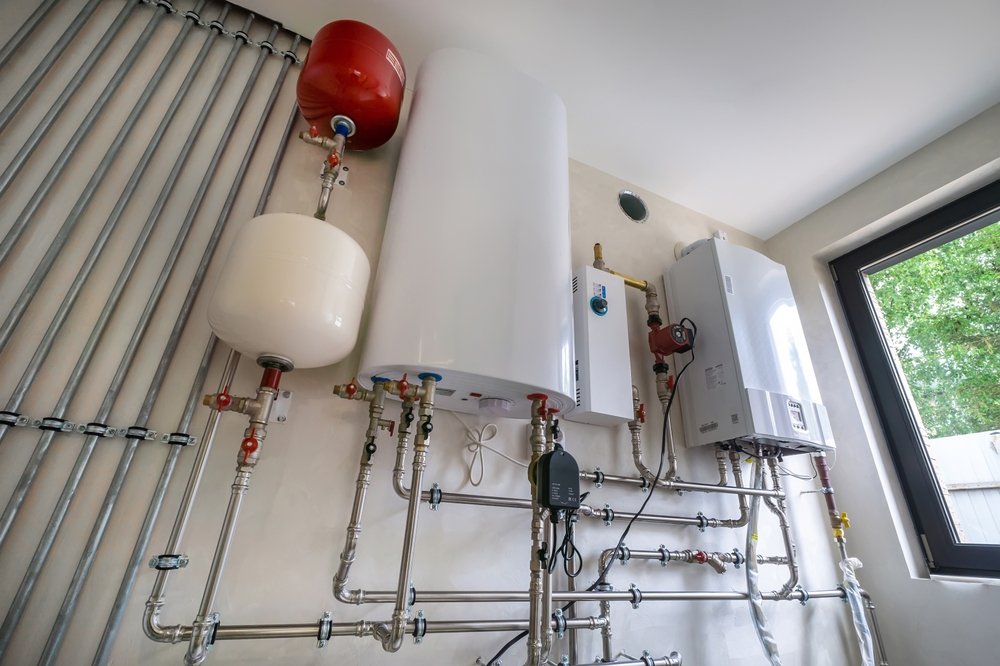
A well-managed temporary boiler project also supports better capital planning. Rather than making rushed repair decisions during an emergency, facility managers can evaluate long-term improvements that strengthen the reliability and efficiency of the entire boiler system.
Choosing the Right Partner Can Improve Project Value
The lowest rental price does not always provide the greatest overall value. Experience, technical support, project coordination, and responsive service all contribute to a successful temporary boiler project. An experienced provider helps facilities anticipate challenges, avoid costly delays, and keep projects moving according to schedule.
The right partner can also assist with equipment selection, site planning, startup, and ongoing support throughout the rental period. That level of expertise helps organizations maximize the value of their investment while reducing operational risk during critical maintenance activities.
A Temporary Boiler Is an Investment in Operational Continuity
Evaluating the cost of a temporary boiler requires looking beyond the initial rental expense. When facilities consider the financial impact of downtime, production interruptions, delayed repairs, and operational risk, temporary steam generation often becomes a practical investment rather than an added cost. Careful planning and the right equipment help organizations maintain productivity while completing important maintenance and infrastructure improvements.
At Boiler Pros, we work with facilities to develop temporary boiler solutions that align with operational needs, project schedules, and long-term goals. Our experienced team helps customers identify efficient, reliable options that support safe operations from start to finish. Connect with us to get a free quote today.