Steam Issues That Cause Inspection Failures
Boiler and steam system inspections can create major stress for facility managers, maintenance teams, and operations leaders. A failed inspection may lead to shutdowns, production delays, costly repairs, and compliance concerns that affect the entire facility. For hospitals, manufacturing plants, food packaging facilities, hotels, airports, and specialty product operations, steam system reliability directly impacts daily operations.
Many inspection failures develop from steam issues that build over time. Small warning signs often go unnoticed until inspectors identify conditions that no longer meet operational or safety standards. Facilities that stay proactive with maintenance and system evaluations place themselves in a much stronger position during annual inspections.
Why Steam System Inspections Matter
Steam systems operate under pressure and high temperatures, which means even minor issues can become serious safety concerns. Annual inspections help identify risks that may compromise personnel safety, equipment performance, and system reliability.
In Texas, boiler inspections are required on a recurring schedule through the Texas Department of Licensing and Regulation Boiler Program. Facilities that prepare throughout the year often experience fewer compliance issues and avoid emergency repairs close to inspection dates.
Inspections also provide an opportunity to evaluate the overall condition of a steam system. In many facilities, aging infrastructure, deferred maintenance, and inconsistent servicing contribute to inspection failures that could have been prevented earlier.
Low Water Cutoff Failures
Low water cutoff devices are among the most critical safety components in a steam boiler system. These controls help protect the boiler from operating without proper water levels. When they fail, the consequences can become severe.
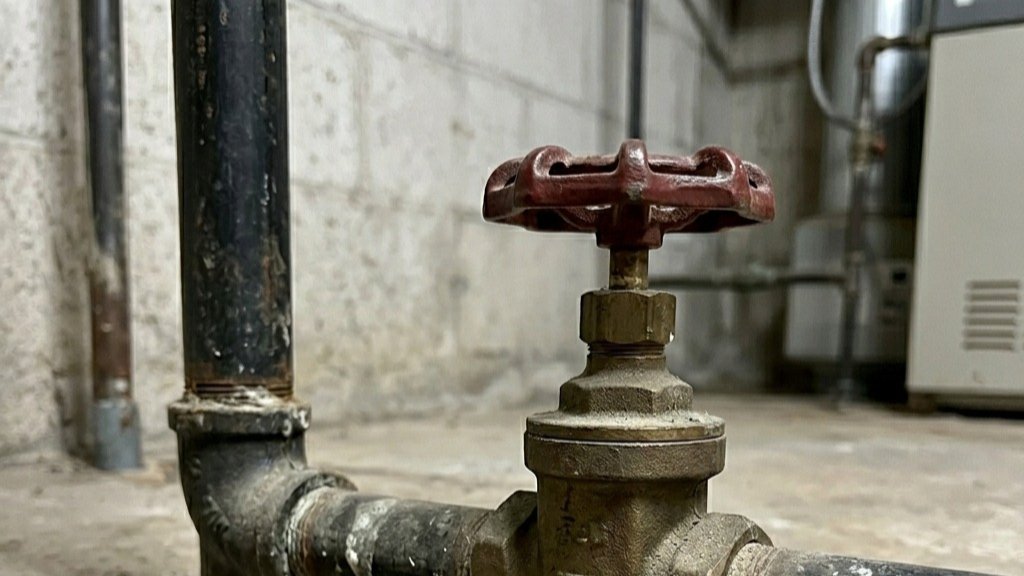
Facilities sometimes assume these components are functioning correctly because the boiler still operates. Unfortunately, internal buildup and wear can prevent the cutoff from responding properly during unsafe conditions.
Routine testing and cleaning help reduce the risk of failure during inspections. Facilities should also document maintenance activities to demonstrate ongoing compliance efforts.
Steam Leaks Throughout the System
Steam leaks create multiple operational problems beyond wasted energy. Inspectors often view visible leaks as indicators of neglected maintenance or deteriorating system conditions.
Leaks commonly occur around:
Valve packing
Pipe joints
Steam traps
Flanges
Expansion joints
Condensate return lines
In food processing and packaging environments, steam leaks may also contribute to sanitation concerns and inconsistent temperature control. In hospitals and manufacturing facilities, they can create hazardous working conditions and increase utility costs.
Some leaks appear minor initially, but prolonged exposure to high temperatures and pressure can accelerate system deterioration. Steam escaping from failed components also increases strain on the boiler as it works harder to maintain demand.
Addressing leaks early often prevents larger repairs later while improving inspection readiness.
Failed or Improperly Maintained Steam Traps
Steam traps play a major role in removing condensate while keeping steam within the system. When traps fail, efficiency drops and inspection concerns increase.
Inspectors may identify:
Flooded heat exchangers
Water hammer conditions
Excess condensate buildup
Improper trap sizing
Bypassed or isolated traps
Corrosion near trap stations
Many facilities operate with failed steam traps for extended periods because the symptoms develop gradually. Over time, these failures can reduce production efficiency, damage equipment, and create uneven heating throughout the system.
Regular steam trap surveys help identify failing components before they contribute to inspection failures or operational downtime.
Corrosion and Scale Buildup
Internal corrosion and scale accumulation remain common causes of steam system inspection problems. Water quality directly affects boiler performance and long-term equipment condition.
Scale buildup reduces heat transfer efficiency and increases stress on boiler components. Corrosion weakens piping, vessels, and internal surfaces that inspectors closely evaluate.
Common causes include:
Inadequate water treatment
Improper blowdown practices
Oxygen contamination
Chemical imbalance
Poor condensate return quality
Facilities sometimes focus heavily on production demands while postponing water treatment evaluations. Unfortunately, untreated water issues can create long-term damage that becomes expensive to correct.
Preventive maintenance programs should include regular water testing, treatment reviews, and inspections of critical internal components.
Faulty Safety Valves
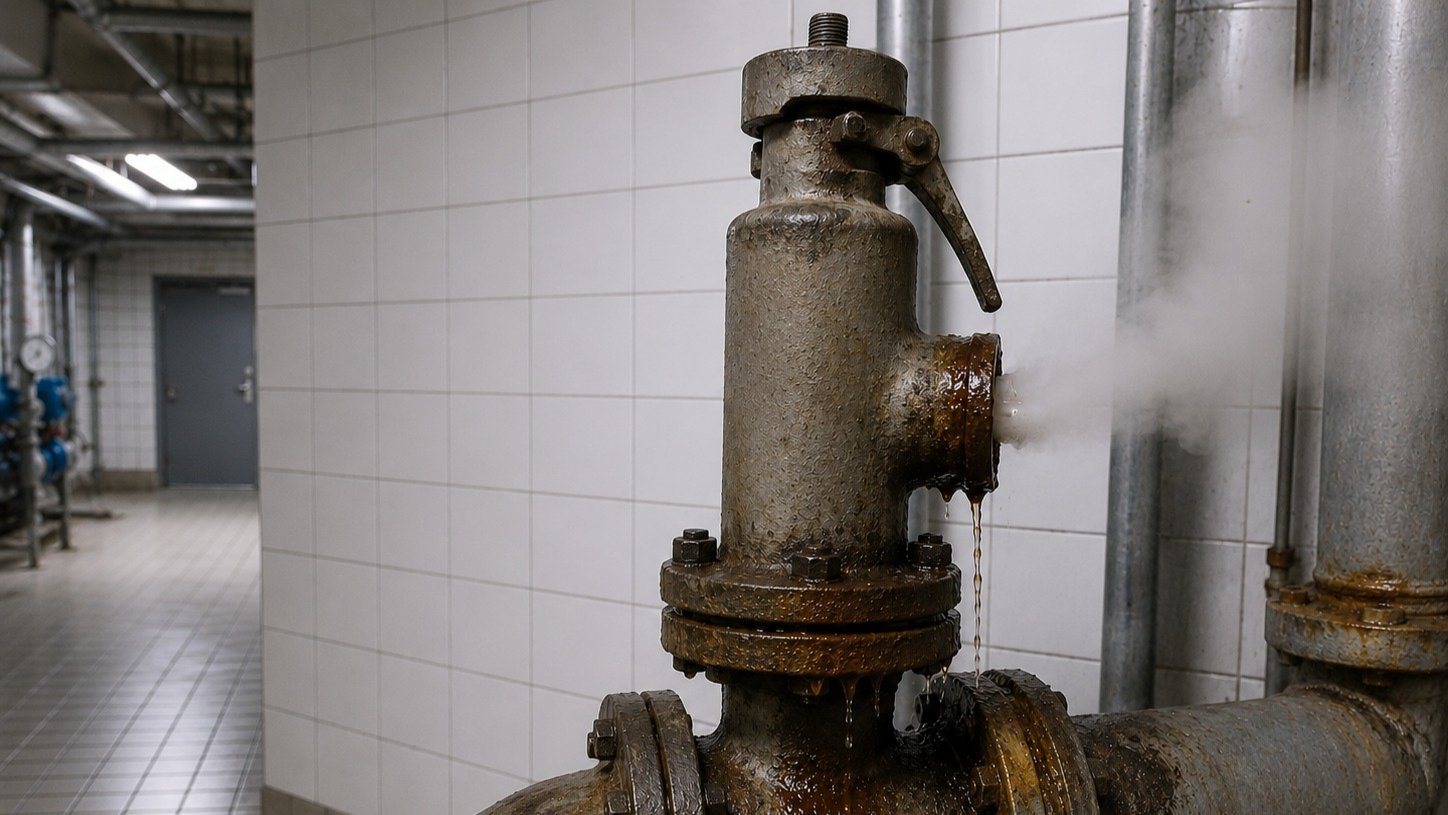
Safety valves protect steam systems from dangerous overpressure conditions. Because these valves serve as critical safety devices, inspectors pay close attention to their condition and certification status.
Common inspection concerns include:
Corrosion around valve components
Improper discharge piping
Missing certifications
Blocked discharge lines
Signs of leakage
Valves that fail testing requirements
Facilities should never delay service or replacement when safety valve issues appear. A malfunctioning safety valve presents both operational and regulatory risks.
Documentation also matters during inspections. Keeping records of valve testing, repairs, and certifications helps demonstrate that the facility actively maintains critical safety equipment.
Poor Documentation and Deferred Maintenance
Inspection failures are not always caused by mechanical problems alone. Missing records and inconsistent maintenance histories often raise concerns during the inspection process.
When records are incomplete, inspectors may question whether systems have received proper servicing. Deferred maintenance also tends to create compounding issues that become more difficult to address under tight timelines.
Facilities benefit from organized maintenance planning and clear communication between operations teams, maintenance staff, and service providers.
Preparing Your Facility Before Inspection Season
Facilities that prepare throughout the year typically experience smoother inspections and fewer emergency repairs. Waiting until the inspection date approaches often limits available repair windows and increases operational pressure.
If a system experiences major issues, we can also help coordinate temporary rental solutions to minimize operational disruption while repairs are completed.
Keep Your Steam System Ready for Inspection
Steam issues rarely improve without attention. Minor maintenance concerns can eventually lead to failed inspections, production interruptions, and expensive repairs that affect the entire facility.
A strong maintenance strategy helps facilities stay compliant, improve reliability, and reduce unexpected downtime. Boiler inspections should never become last-minute emergencies.
At Boiler Pros, we help facilities across Texas with reliable services that help evaluate steam system conditions, correct existing issues, and prepare for annual inspections. Contact us today to get a free quote.