
TDLR Penalties for Repeat Boiler Violations
For facilities operating in Texas, boiler compliance is closely monitored by the Texas Department of Licensing and Regulation (TDLR). Inspections are not one-time events, and violations are tracked over time. When the same issues continue to appear across multiple inspections, penalties can escalate quickly.
We work with maintenance and facility teams who are balancing production demands, staffing challenges, and compliance requirements. Repeat boiler violations often stem from gaps in processes rather than a lack of effort. When those gaps are not addressed early, they tend to show up again during inspections, triggering increased scrutiny and higher penalties.
How TDLR Tracks Boiler Violations Over Time
TDLR inspectors document findings during each inspection and maintain records tied to your equipment and facility. These records create a history that inspectors can reference during future visits. When violations are repeated, they are rarely viewed as isolated issues.
Inspectors look for patterns. If the same deficiency appears more than once, it signals that corrective actions may not have been implemented effectively or sustained over time. This can shift the tone of future inspections and lead to a more detailed review of your entire operation.
Facilities that stay aligned with the state’s inspection schedule are better positioned to stay ahead of these issues. The TDLR provides a public inspection schedule resource that outlines required timelines. Keeping your maintenance activities aligned with that schedule helps prevent lapses that could lead to violations.
What Counts as a Repeat Violation
A repeat violation occurs when a previously identified issue is found again during a subsequent inspection. These are often tied to areas that require consistent monitoring and documentation.
Common repeat boiler violations include:
Missed or overdue inspections
Incomplete or inconsistent maintenance records
Safety valves not tested or documented properly
Controls or safety devices not functioning as required
Failure to address previously cited deficiencies
Each of these issues may start as a correctable finding. When they reappear, they carry more weight because they indicate that earlier corrective actions were either incomplete or not sustained.
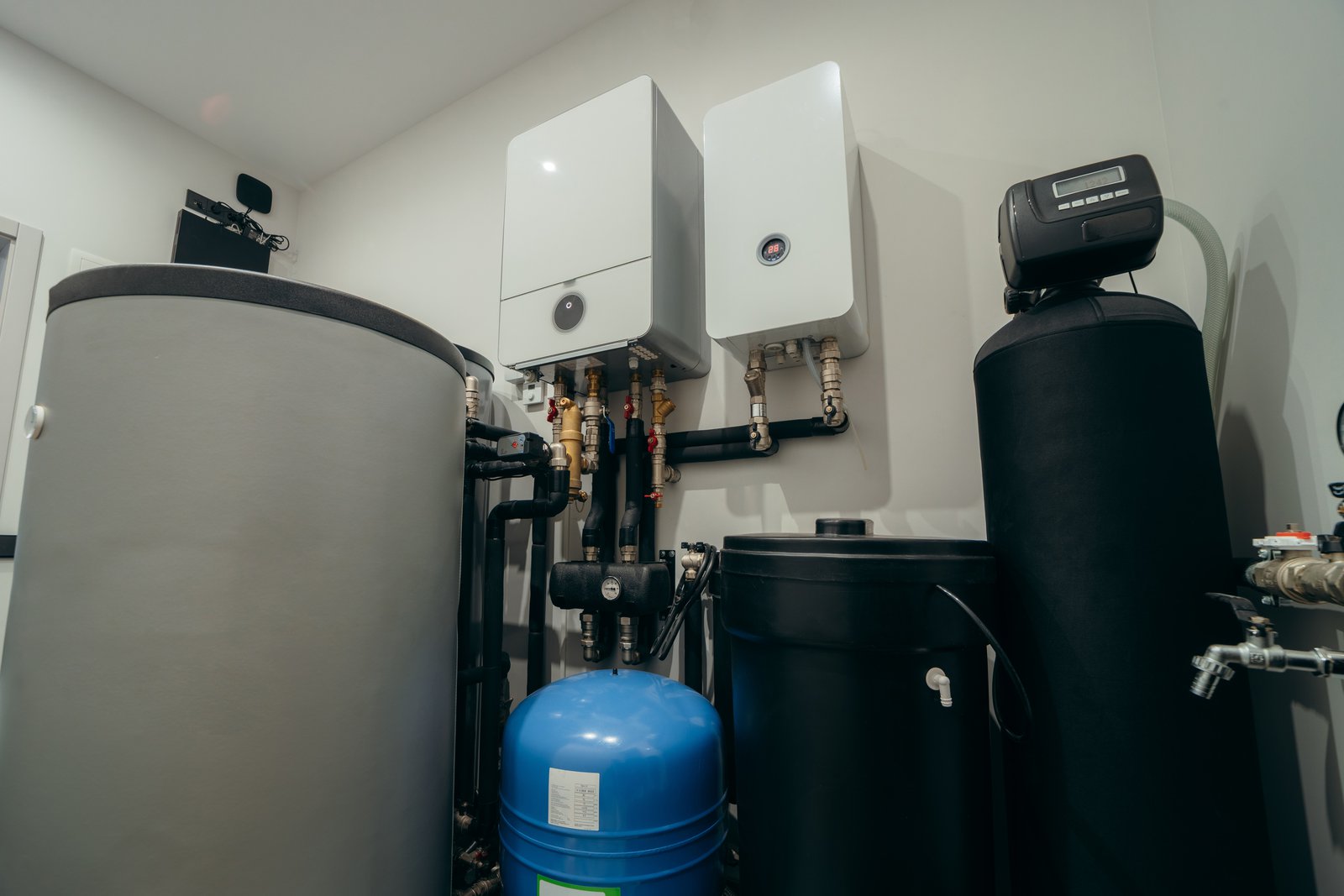
Repeat violations also suggest that internal processes may need adjustment. Whether the issue is staffing, communication, or documentation, inspectors expect facilities to identify and resolve root causes rather than repeatedly addressing symptoms.
Escalating Penalties and Their Impact
Penalties for boiler violations can increase when issues are repeated. While the exact consequences depend on the severity and frequency of the violations, facilities can expect a progression that includes fines, additional inspections, and potential operational restrictions.
Financial penalties can add up quickly, especially when multiple violations are involved. These costs often extend beyond fines. Delays in operations, emergency repairs, and unplanned downtime can all contribute to the overall impact.
In more serious cases, continued non-compliance can lead to orders to shut down equipment until issues are resolved. For facilities that rely on boilers for daily operations, this can disrupt production schedules and affect service delivery.
There is also a reputational component. Facilities that consistently receive repeat violations may face increased scrutiny from regulators and internal stakeholders. This can influence future inspections and create added pressure on maintenance teams.
Why Repeat Violations Happen
Repeat violations are rarely caused by a single factor. In most cases, they result from a combination of operational challenges and gaps in processes.
One common issue is a lack of follow-through. A deficiency may be identified and temporarily addressed, but without a structured plan to prevent recurrence, the same issue can resurface. This is especially true for maintenance tasks that rely on manual tracking or inconsistent scheduling.
Communication breakdowns can also play a role. When responsibilities are not clearly defined, important tasks may be overlooked. This can happen during shift changes, staff turnover, or when multiple teams are involved in maintaining the same equipment.
Another factor is incomplete documentation. Even when work is performed, failure to document it properly can create the appearance of non-compliance. Inspectors rely on records to verify that tasks have been completed, and missing documentation can lead to repeat findings.
Equipment condition is another consideration. Older systems or equipment that have not been upgraded may require more frequent attention. Without a proactive maintenance plan, these systems are more likely to generate recurring issues.
Practical Steps to Prevent Repeat Boiler Violations
Preventing repeat violations requires a structured approach that addresses both technical and administrative aspects of your operation. The goal is to create systems that support consistency and accountability.
Start by reviewing past inspection reports in detail. Identify any recurring findings and determine whether the root cause has been fully addressed. This review should include both the technical fix and the process used to implement it.
Next, establish clear maintenance schedules that align with TDLR requirements. Using the state’s inspection schedule as a reference point helps ensure that all required activities are completed on time. Consistent scheduling reduces the risk of missed tasks and overdue inspections.
Documentation should be standardized and regularly reviewed. Maintenance logs, inspection records, and repair documentation should all follow consistent formats. This makes it easier to track completed work and demonstrate compliance during inspections.
Assigning clear responsibilities is another critical step. Each task should have an owner who is accountable for completion and documentation. This reduces the likelihood of tasks falling through the cracks.
Regular internal audits can help catch issues before inspectors do. By reviewing your own records and equipment condition, you can identify gaps and address them proactively. This approach keeps your team prepared and reduces the likelihood of repeat findings.
Stop Violations Before They Repeat
Repeat boiler violations can lead to increased penalties, operational disruptions, and added pressure on your team. Addressing issues early and building strong processes helps prevent these challenges from escalating.
Here at Boiler Pros, we believe that consistent maintenance, clear documentation, and proactive planning are the foundation of successful inspections. When these elements are in place, your facility is better prepared to meet regulatory expectations and avoid repeat findings.
If your team is dealing with recurring boiler violations or wants to strengthen compliance efforts, we are ready to support you. We can help design solutions that fit your operation and ensure that issues are resolved effectively. Contact us today.