Preventing Water Hammer in Steam Systems
Steam systems operate under intense pressure and temperature conditions every day. Water hammer can quickly disrupt those operations and create serious risks throughout a facility. Loud banging noises, shaking pipes, damaged equipment, and unexpected shutdowns often point to deeper steam system problems that require immediate attention.
Many facilities experience water hammer without fully identifying the source. Some assume the noise is simply part of an aging system. Unfortunately, repeated shockwaves inside steam piping can lead to equipment damage, safety concerns, and costly repairs over time.
Facilities that address water hammer early often improve steam efficiency, reduce maintenance costs, and extend equipment lifespan.
What Causes Water Hammer in Steam Systems
Water hammer occurs when condensate builds up in steam piping and then suddenly moves at high velocity. As steam pushes trapped water through the system, pressure waves form, creating the familiar banging or hammering sound.
In many systems, improper condensate drainage allows water to collect in low points within the piping network. When steam pressure changes rapidly, the moving condensate strikes valves, fittings, or pipe walls with significant force.
Several conditions commonly contribute to water hammer problems. Failed steam traps, improperly pitched piping, undersized condensate lines, and sudden valve openings often create unstable steam flow conditions. Excessive moisture within the system may also increase condensate accumulation.
These issues rarely improve without corrective action. Over time, repeated shockwaves place additional strain on the entire steam system.
Why Water Hammer Creates Serious Risks
Water hammer creates more than unwanted noise. The pressure generated during these events can damage piping systems and connected equipment throughout the facility.
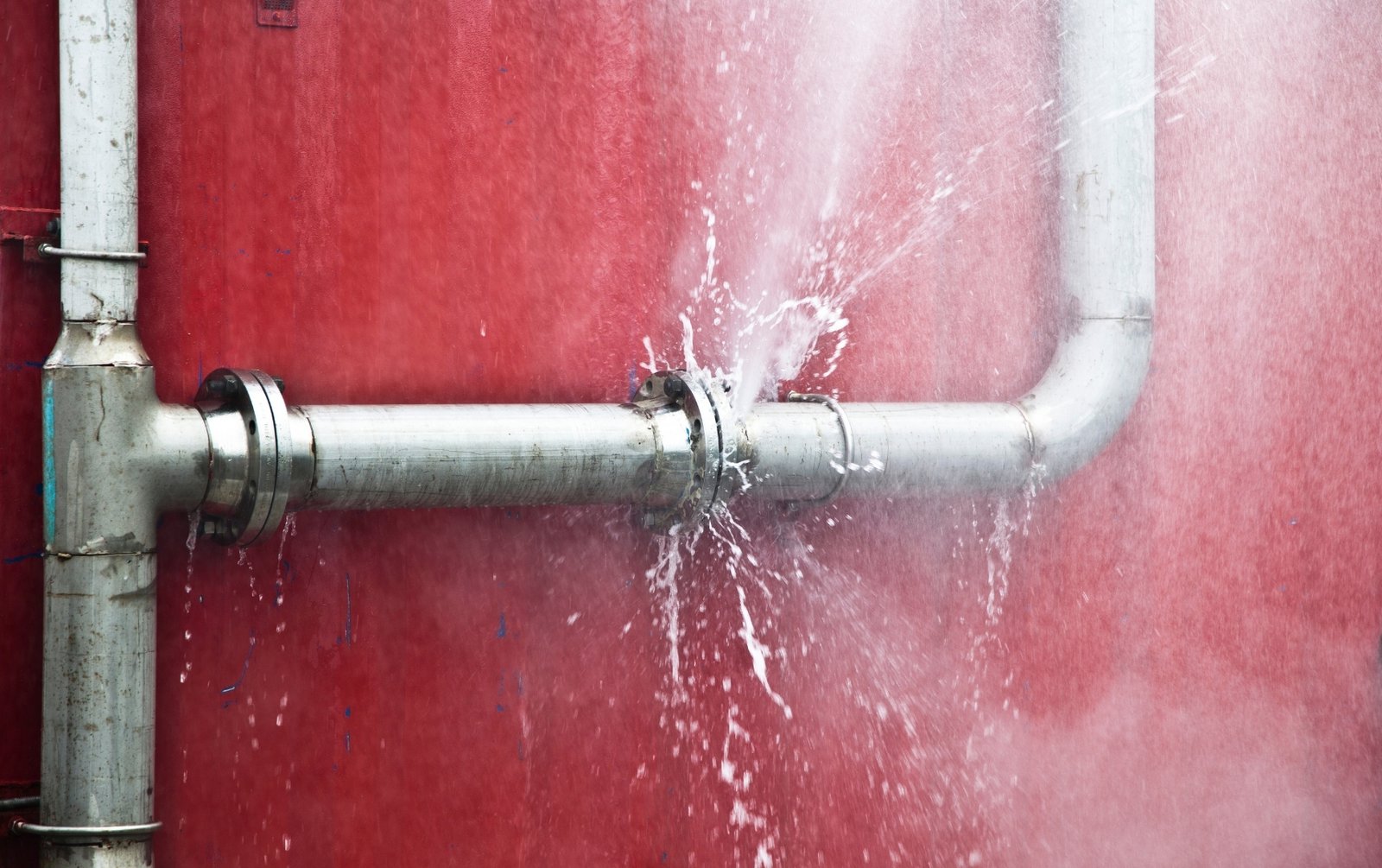
Repeated impact forces may weaken pipe supports, loosen fittings, and damage valves. In severe cases, piping failures can occur unexpectedly, leading to dangerous steam releases near work areas.
Water hammer may also affect:
Heat exchangers
Pressure regulators
Steam traps
Condensate pumps
Boiler connections
As components experience repeated stress, maintenance demands often increase. Facilities may begin noticing leaks, vibration issues, or inconsistent steam delivery throughout the system. Ignoring these warning signs can eventually lead to production interruptions and emergency repairs.
Water Hammer and Steam Trap Failures
Steam traps play a major role in preventing condensate buildup. When traps fail, condensate cannot drain properly, increasing the likelihood of water hammer.
Some steam traps fail in the open position, wasting steam continuously. Others fail closed, which allows condensate to collect inside piping and equipment. Both conditions create operational inefficiencies and increase strain on the system.
Facilities sometimes overlook failing traps because the symptoms develop gradually. Over time, trapped condensate may cause severe pressure fluctuations and unstable steam flow.
Routine steam trap inspections help identify developing problems before they contribute to widespread system damage.
Poor Piping Design Can Increase Water Hammer
Piping configuration directly affects steam movement and condensate drainage. Systems with poor layout design often experience recurring water hammer issues.
Improper pipe pitch prevents condensate from draining effectively. Low points in piping systems may allow water to accumulate, especially during startup or under fluctuating load conditions.
Long horizontal runs without proper drainage support may also increase condensate buildup. In some facilities, piping modifications completed over several years create inconsistent flow patterns that contribute to ongoing problems.
Valve placement and condensate return sizing also influence system stability. When steam and condensate cannot move efficiently together, pressure disturbances become more common.
Evaluating the entire steam distribution system often helps identify the root cause of recurring water hammer events.
Water Hammer Can Affect Energy Efficiency
Water hammer not only damages equipment. It can also reduce steam system efficiency and increase operating costs.
As condensate accumulates, steam flow becomes less stable throughout the system. Boilers may work harder to meet pressure demands, increasing fuel consumption and operating strain.
Heat transfer efficiency may also decline when condensate floods equipment surfaces. Facilities sometimes experience uneven heating, slower production cycles, or reduced equipment performance as these conditions worsen.
Leaks caused by repeated pressure shocks can further increase energy loss and maintenance expenses. Over time, unresolved water hammer problems may affect several areas of facility operations.
Facilities that improve condensate management often notice better system performance and lower repair costs.
Preventing Water Hammer Through Routine Maintenance
Routine maintenance remains one of the most effective ways to reduce the risk of water hammer. Ongoing inspections help facilities identify developing issues before major failures occur.
Maintenance teams should regularly inspect steam traps, condensate return systems, valves, and pipe supports. Monitoring unusual vibration, noise, or temperature fluctuations may also help detect hidden condensate problems.
Water treatment programs also support steam system reliability. Poor water quality can accelerate corrosion and contribute to internal system deterioration over time.
Facilities in Texas benefit from scheduled evaluations that review both system performance and overall piping condition. Preventive maintenance planning often reduces emergency repairs and unexpected downtime.
Water Hammer Problems Should Never Be Ignored
Some facilities tolerate water hammer for years because operations continue despite the noise. Unfortunately, ongoing shockwaves place constant stress on the system and increase the risk of long-term repair complications.
What begins as occasional banging may eventually lead to cracked fittings, damaged valves, or piping failures. Emergency shutdowns and production disruptions become more likely as conditions worsen.
Early corrective action allows facilities to address smaller issues before widespread damage develops. In many cases, identifying the source of condensate buildup can significantly improve system reliability.
Steam systems perform best when condensate moves efficiently and pressure remains stable throughout the network.
Work With a Team That Prioritizes Practical Solutions
Steam system issues require careful evaluation and clear communication. Facilities benefit from experienced teams that focus on practical recommendations and long-term reliability.
At Boiler Pros, we work directly with customers to identify the causes of water hammer, evaluate steam system conditions, and develop repair strategies that support operational goals. We can help design solutions that fit your operation and ensure that issues are resolved effectively. Contact us today.