
Planning Boiler Upgrades Around Inspection Schedules
Annual boiler inspections often focus attention on equipment condition, documentation, and operational readiness. For many facilities, these evaluations also create an ideal opportunity to assess upcoming boiler upgrades and develop a plan that minimizes disruption.
Waiting until equipment fails or an inspection identifies a significant concern can limit options and increase costs. A more strategic approach involves aligning upgrade projects with inspection schedules, maintenance windows, and long-term operational goals. This planning process helps facilities improve reliability while maintaining greater control over project timelines.
Inspections Provide Valuable Equipment Insights
Boiler inspections generate information that can help guide future capital planning decisions. While inspections are designed to evaluate safety and compliance, they often reveal trends that indicate where investments may be needed.
Inspectors may identify aging components, deteriorating controls, recurring deficiencies, or systems approaching the end of their useful life. These observations can help facilities prioritize improvements before conditions worsen.
Using inspection findings as part of a broader planning strategy allows organizations to make informed upgrade decisions rather than reacting to unexpected events.
Boiler Upgrades Are Easier to Budget When Planned Early
Capital projects often compete with many other organizational priorities. Unexpected equipment failures can force facilities to divert resources from planned initiatives and emergency funding requests.
Inspection schedules, especially in Texas, create predictable milestones throughout the year. These milestones provide opportunities to evaluate equipment condition and develop future budget forecasts.
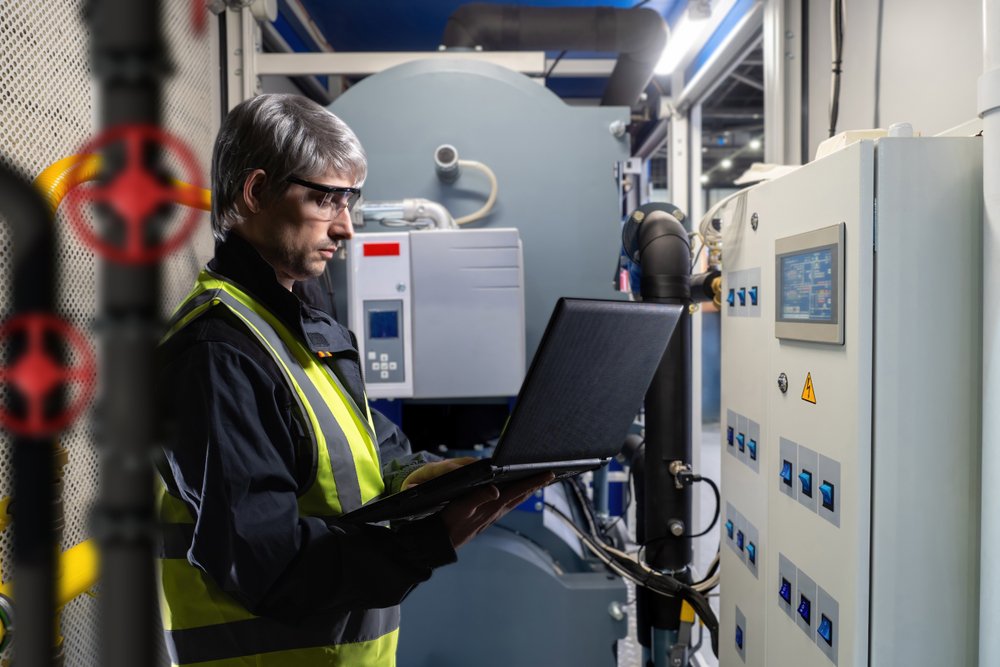
When upgrade projects are identified well in advance, organizations can allocate funding more effectively and avoid the financial pressure associated with emergency replacements. This approach also allows more time to evaluate available solutions and project scopes.
Coordinating Upgrades With Planned Shutdowns
Many facilities schedule maintenance outages throughout the year. These planned shutdown periods can provide ideal opportunities for upgrade work.
Coordinating projects with existing maintenance schedules helps reduce operational interruptions. Equipment can be taken offline during periods already designated for service activities, minimizing the impact on production and facility operations.
Planning ahead also allows contractors, suppliers, and facility personnel to coordinate resources more effectively. This often results in smoother project execution and fewer scheduling conflicts. Strategic timing can significantly improve the overall success of an upgrade project.
Inspection Findings Can Reveal Hidden Risks
Not all equipment concerns are immediately visible during daily operations. Some issues develop gradually and remain unnoticed until a detailed inspection occurs.
A control system nearing obsolescence, recurring valve problems, or aging combustion equipment may continue operating despite increasing risks. Inspection findings can highlight these concerns before they result in major failures.
Addressing identified vulnerabilities through planned boiler upgrades helps reduce the likelihood of emergency repairs and operational disruptions. Early action often provides more flexibility and lower overall project costs.
Regulatory Compliance Supports Upgrade Priorities
Compliance requirements influence many boiler-related decisions. As standards evolve, certain systems may require modernization to align with current expectations.
Inspection results can help facilities determine whether existing equipment continues to meet applicable requirements. In some cases, upgrades may improve compliance readiness while addressing operational concerns at the same time.
Facilities that regularly evaluate equipment against inspection findings are often better prepared for future regulatory changes. This proactive approach helps avoid situations where upgrades become urgent due to compliance challenges.
Long Lead Times Affect Project Scheduling
Many boiler-related components require significant lead times for manufacturing and delivery. This is especially true for specialized controls, burners, heat recovery systems, and custom-engineered equipment.
Waiting until a problem becomes critical can create scheduling difficulties if replacement equipment is not immediately available. Inspection-driven planning provides additional time to evaluate options and secure necessary materials.
Longer planning horizons also allow project teams to coordinate installation schedules more effectively. This reduces the likelihood of delays that could affect operations. Facilities that plan early typically have access to more choices and greater scheduling flexibility.
Boiler Upgrades Can Be Phased Over Time
Not every modernization effort needs to occur at once. Inspection findings often help identify projects that can be prioritized and implemented in phases.
A facility may choose to upgrade controls during one maintenance cycle, followed by burner improvements or equipment replacement in future years. This phased approach helps spread costs over time while still addressing critical needs.
Inspection schedules provide natural checkpoints for evaluating progress and adjusting plans as operational requirements evolve. Breaking projects into manageable phases can simplify budgeting and reduce implementation challenges.
Building Stronger Relationships With Inspectors
Facilities that maintain organized records and demonstrate a commitment to ongoing improvement often benefit from smoother inspection processes.
Inspectors appreciate organizations that proactively address concerns and develop plans for identified issues. Documented upgrade strategies show that equipment condition and operational safety remain priorities.
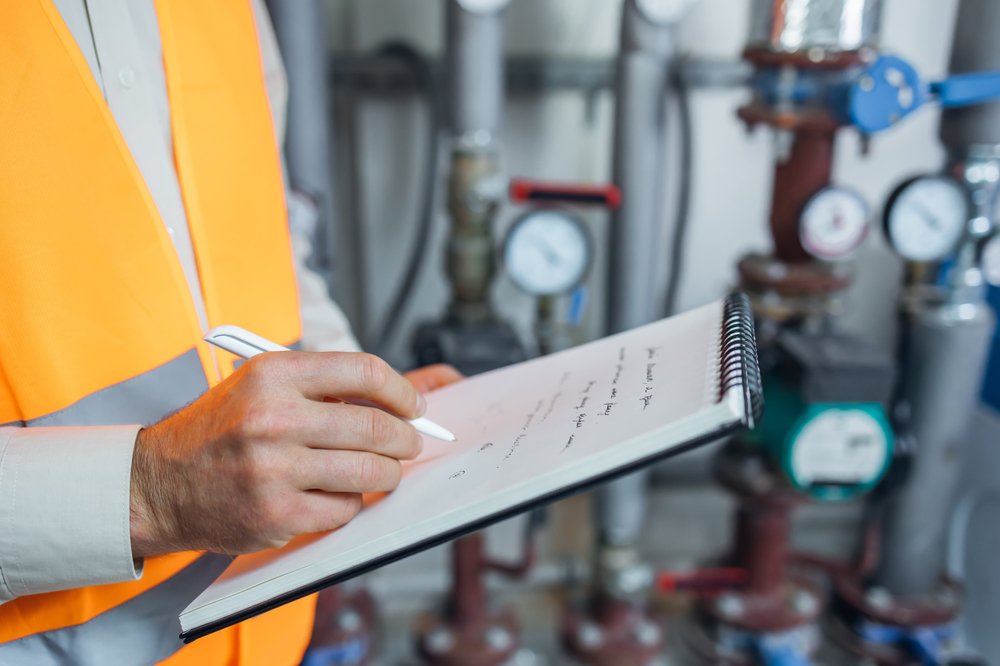
While inspections are not intended to drive purchasing decisions, they can provide valuable feedback that supports long-term planning efforts. Facilities that use this information effectively are often better positioned to manage future challenges.
Consistent preparation contributes to a stronger overall inspection experience.
Creating a Long-Term Boiler Upgrade Roadmap
Successful modernization efforts rarely begin with a single project. They are usually part of a broader strategy focused on reliability, compliance, efficiency, and asset management.
Inspection schedules provide recurring opportunities to evaluate system performance and refine long-term plans. By reviewing equipment condition regularly, facilities can develop upgrade roadmaps that align with operational goals and budget expectations.
This structured approach reduces uncertainty while helping organizations make thoughtful investment decisions. Instead of responding to crises, facilities can move forward with clear priorities and realistic timelines. Long-term planning creates a stronger foundation for future boiler system performance.
Use Inspection Schedules to Guide Smart Investments
Inspection schedules offer more than compliance checkpoints. They provide valuable opportunities to evaluate equipment condition, identify future needs, and plan boiler upgrades strategically. Facilities that align modernization efforts with inspections often experience better project outcomes, improved budgeting, and fewer operational disruptions.
At Boiler Pros, we help facilities assess inspection findings, evaluate equipment condition, and develop practical upgrade plans that support long-term operational goals through our complete boiler solutions. Our team works closely with customers to create solutions that balance performance, compliance, and budget considerations. Contact us today for a free quote.