
Managing Boilers Installed by Other Contractors
Taking responsibility for equipment installed by another contractor can raise questions about system condition, maintenance history, and previous work. Yet replacing the original service provider does not automatically mean replacing the equipment. With a careful assessment, boilers installed by other contractors can often remain in service while teams address existing concerns and plan future maintenance.
The key is establishing an accurate picture of the system before making changes. A qualified service provider should evaluate current operating conditions, review available documentation, and explain any identified risks. This approach supports informed decisions without assuming that previous work was either correct or defective.
Start With a Condition Assessment
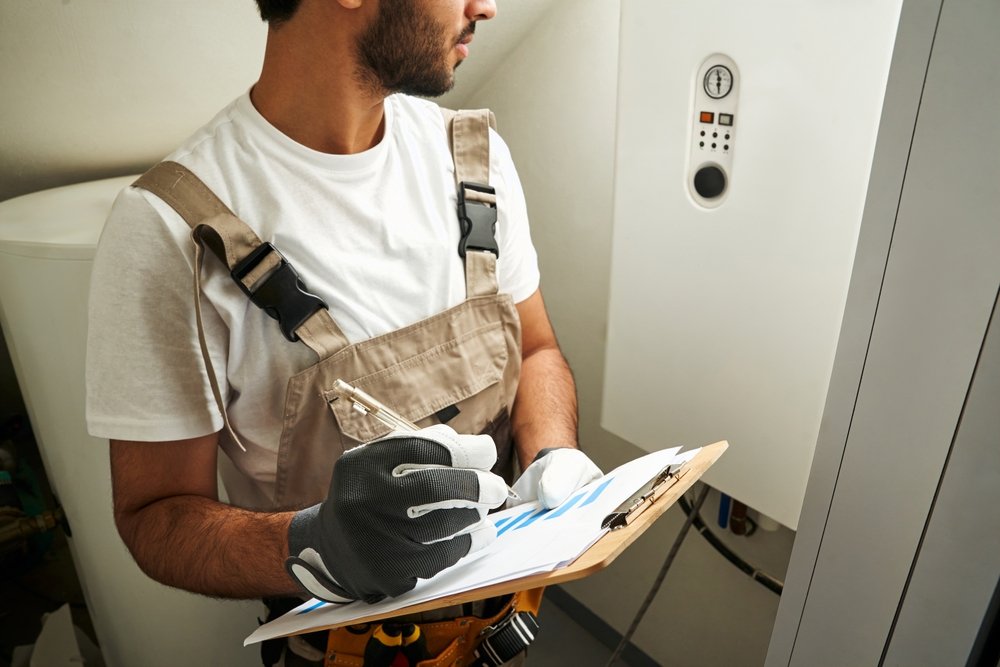
Before recommending repairs or upgrades, we should establish how the system currently performs. An on-site assessment helps identify visible deficiencies, recurring problems, and potential maintenance priorities. It also provides context that equipment records alone may not reveal.
The assessment may cover the boiler, burner, operating controls, valves, safety devices, and connected steam components. Technicians can review reported symptoms and compare them with observed conditions. Where necessary, additional testing can help clarify the source of a problem.
A thorough assessment should distinguish urgent concerns from issues that can be addressed through planned maintenance. This distinction helps teams prioritize spending while protecting safe operation. It also creates a practical baseline for future service.
Review the Installation and Maintenance History
Previous service records can explain how a boiler has performed over time. They may reveal repeated failures, replaced components, unresolved inspection findings, or adjustments that affected operation. Without those records, technicians may need additional investigation before reaching conclusions.
Gather available documentation, including installation records, equipment manuals, inspection reports, maintenance logs, and repair invoices. Control diagrams and commissioning records can also help clarify the system's original configuration. Missing documents should prompt verification, not assumptions.
A maintenance history also helps identify patterns. For example, repeated burner faults may indicate an unresolved underlying issue. Reviewing those events together can provide better direction than treating every service call separately.
Verify Controls, Components, and System Compatibility
A boiler installation depends on several components working together as intended. Previous modifications, replacement parts, or control adjustments can affect how the system operates. Therefore, technicians should verify the existing configuration before changing settings or replacing components.
The review should consider burner operation, control sequences, safety interlocks, valves, and related equipment. Technicians should also check whether installed components suit the system's design and operating requirements. Any necessary corrections should follow applicable requirements and manufacturer guidance.
Compatibility deserves particular attention after equipment upgrades. A component may fit physically but still fail to meet the system's operating needs. Careful verification helps prevent avoidable service problems and supports dependable operation.
Address Existing Problems Before Expanding the Scope
A new service provider may discover problems that previous work did not resolve. Those findings deserve objective evaluation rather than immediate criticism of the original contractor. Equipment condition, operating history, and test results should guide the next steps.
Some issues may require straightforward repairs or adjustments. Others may involve deteriorated components, control problems, or installation conditions that need further investigation. The appropriate response depends on the evidence and the consequences of leaving the issue unresolved.
We should explain each finding in clear terms and outline practical options. A written recommendation should identify the problem, proposed corrective work, and relevant limitations. This process helps customers decide what requires immediate attention and what can enter a planned maintenance schedule.
Establish a Reliable Maintenance and Inspection Plan
Once the system's condition is clear, the next step is setting appropriate maintenance priorities. The plan should reflect equipment requirements, operating conditions, service history, and known deficiencies. It should also identify responsibilities for records, follow-up work, and future evaluations.
Depending on the equipment, service may include burner maintenance, control checks, valve inspections, and steam trap attention. Technicians should document findings and track outstanding recommendations. Consistent records make it easier to recognize recurring issues and plan future repairs.
Texas boiler inspection intervals vary by equipment classification. The Texas Department of Licensing and Regulation's boiler inspection database provides inspection information and equipment records. A maintenance plan can support inspection readiness, but it does not replace required inspections.
Document Changes and Confirm Approval
Clear documentation matters when a new contractor takes over an existing installation. Customers should understand what technicians found, what work they recommend, and how much it will cost. Written proposals help establish that understanding before repairs begin.
The documentation should identify the agreed scope, pricing, and any relevant exclusions. If technicians uncover additional issues, they should explain the findings and present revised recommendations. Work outside the approved scope should wait until the customer authorizes the change.
This process reduces confusion and supports accountability. It also creates a useful record for future service providers. Over time, consistent documentation helps teams manage maintenance decisions with greater confidence.
Plan for Continuity When Repairs Require an Outage
Some problems require equipment to shut down before technicians can complete the work safely. In facilities that depend on continuous steam or heat, that outage may affect essential operations. Planning for continuity should therefore form part of the repair discussion.
The contractor should evaluate the expected repair duration, required capacity, site access, and temporary equipment needs. Rental boilers may provide an interim source of steam or heat while permanent equipment remains offline. However, suitability depends on the facility's connections, utilities, space, and operating requirements.
Planning early gives teams time to evaluate options and coordinate installation. It also helps avoid rushed decisions during an unexpected failure. The goal is to balance operational continuity with safe, properly planned work.
Choose a Service Partner Who Works With the Existing System
Managing equipment installed by another contractor requires technical judgment, clear records, and a willingness to assess the facts. A dependable service provider should explain the system's condition, recommend practical corrective actions, and respect approved budgets and project scope.
At Boiler Pros, we assess existing boiler systems regardless of who installed them. Our team works directly with customers to review operating needs, evaluate repair options, and plan maintenance, upgrades, or rental equipment with our complete boiler solutions. Contact us today to get a free quote.