Why Steam Balance Matters for Large Facilities
Steam systems support heating, production, sterilization, and processing operations across many large facilities. Steam balance plays a major role in maintaining consistent performance throughout these systems. When steam distribution becomes uneven, facilities often experience efficiency problems, equipment strain, and rising operating costs.
Many steam systems gradually fall out of balance over time. Equipment changes, aging infrastructure, steam leaks, and failed components can all disrupt proper steam flow. These issues may seem minor at first, but they often create larger operational concerns as system demand increases.
Facilities that maintain proper steam balance often improve reliability, reduce energy waste, and minimize unexpected downtime.
How Steam Balance Affects System Performance
Steam balance refers to how effectively steam distributes throughout a facility. A balanced system delivers the correct amount of steam where it is needed without excessive pressure loss or uneven flow.
When systems become unbalanced, some areas may receive too much steam while others receive too little. Equipment performance may become inconsistent, and production processes may experience temperature fluctuations.
Poor steam distribution can also force boilers to work harder than necessary. As steam demand becomes unstable, fuel consumption and operating strain often increase.
In many facilities, these efficiency losses develop gradually and remain unnoticed until maintenance concerns become more serious.
Steam Balance and Energy Efficiency
Energy efficiency depends heavily on stable steam distribution. Facilities with poor steam balance often waste energy because boilers continuously compensate for pressure inconsistencies throughout the system.
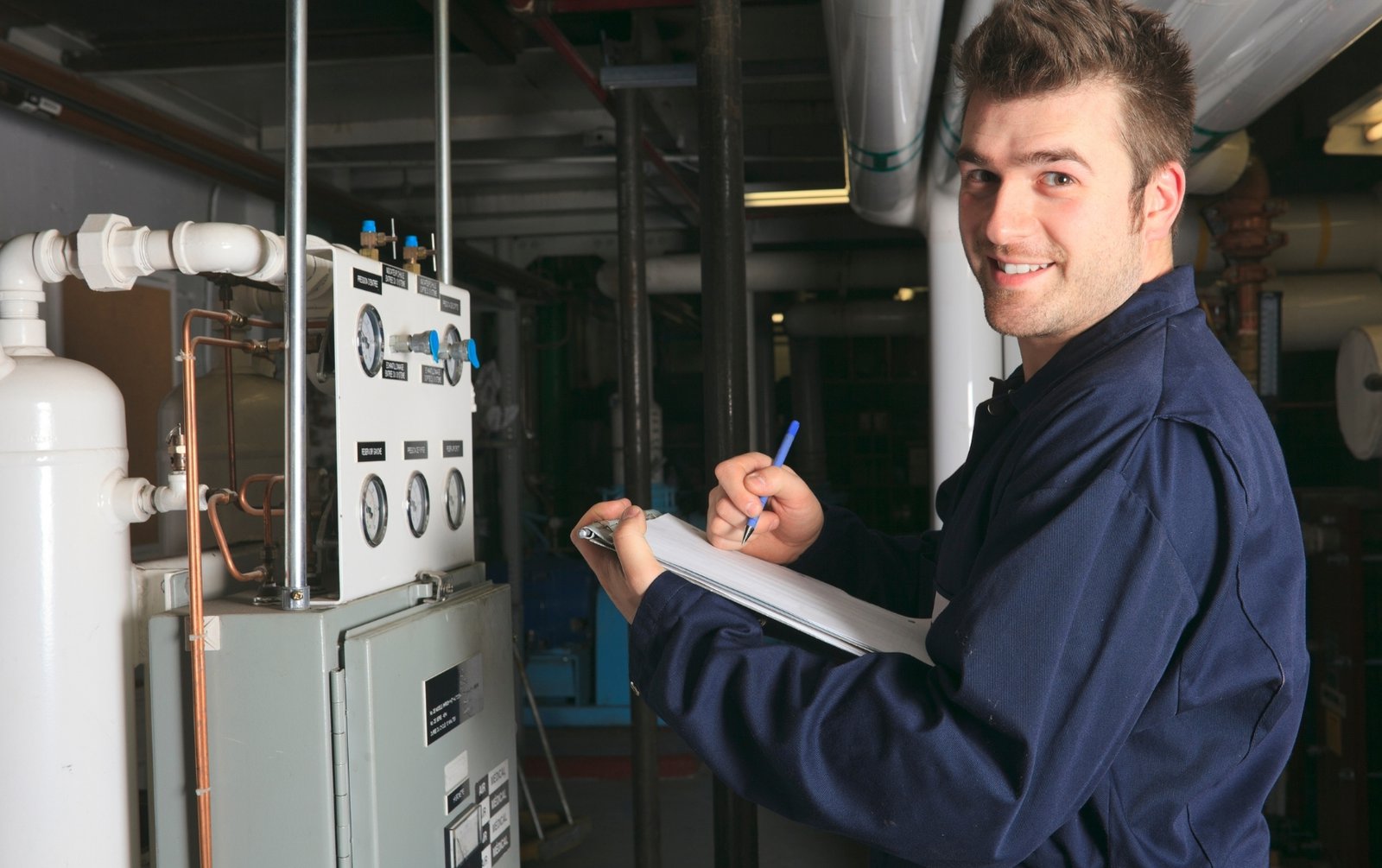
Steam leaks, failed steam traps, and condensate buildup frequently contribute to these problems. As steam escapes or becomes trapped within the system, pressure stability becomes more difficult to maintain.
Unbalanced steam systems may also experience:
Excess fuel consumption
Uneven heating
Slower equipment response
Increased condensate accumulation
Reduced heat transfer efficiency
These conditions can significantly increase utility expenses over time. Facilities that improve steam balance often notice more stable operating performance and lower energy costs.
Steam Balance Problems Can Increase Equipment Wear
Uneven steam distribution places additional strain on critical system components. Boilers, pumps, valves, and heat exchangers may all experience increased wear when steam pressure fluctuates regularly.
Excess condensate within steam lines may also contribute to water hammer conditions. Repeated pressure shock can damage piping systems and weaken equipment connections over time.
In some facilities, certain equipment receives excessive steam pressure while other areas struggle to maintain adequate heating. These imbalances can shorten equipment lifespan and increase maintenance demands.
As wear continues, facilities often experience more frequent repairs and unplanned service interruptions.
Steam Balance and Condensate Management
Condensate management plays a major role in steam balance. Steam systems must remove condensate efficiently to maintain stable pressure and proper heat transfer.
Failed steam traps, blocked return lines, and improperly pitched piping often disrupt condensate movement. As condensate accumulates, steam flow becomes less efficient throughout the system.
Poor condensate removal may also increase corrosion risks and contribute to internal piping deterioration. Moisture accumulation can reduce insulation effectiveness and create temperature inconsistencies near equipment surfaces.
Facilities that monitor condensate return performance often identify steam balance issues earlier.
Steam Balance Issues Often Develop Slowly
Steam systems rarely become unbalanced overnight. Most problems develop gradually as components age or operating demands change.
Facilities may add new equipment without fully evaluating system capacity. Piping modifications completed over several years can also alter steam distribution patterns throughout the facility.
Small steam leaks and failing traps may continue unnoticed for long periods. Over time, these seemingly minor problems affect overall system performance and operating efficiency.
Many facilities only recognize steam balance problems after maintenance costs increase or equipment performance declines noticeably. Regular system reviews help identify these conditions before they create larger operational disruptions.
Steam Balance Supports Inspection Readiness
Annual boiler inspections evaluate overall system condition and operational safety. Steam balance problems may contribute to inspection concerns when they create visible leaks, excessive condensate buildup, or unstable operating conditions.
Inspectors often look for signs of deferred maintenance throughout steam systems. Uneven pressure conditions and poorly maintained condensate systems may indicate broader reliability concerns.
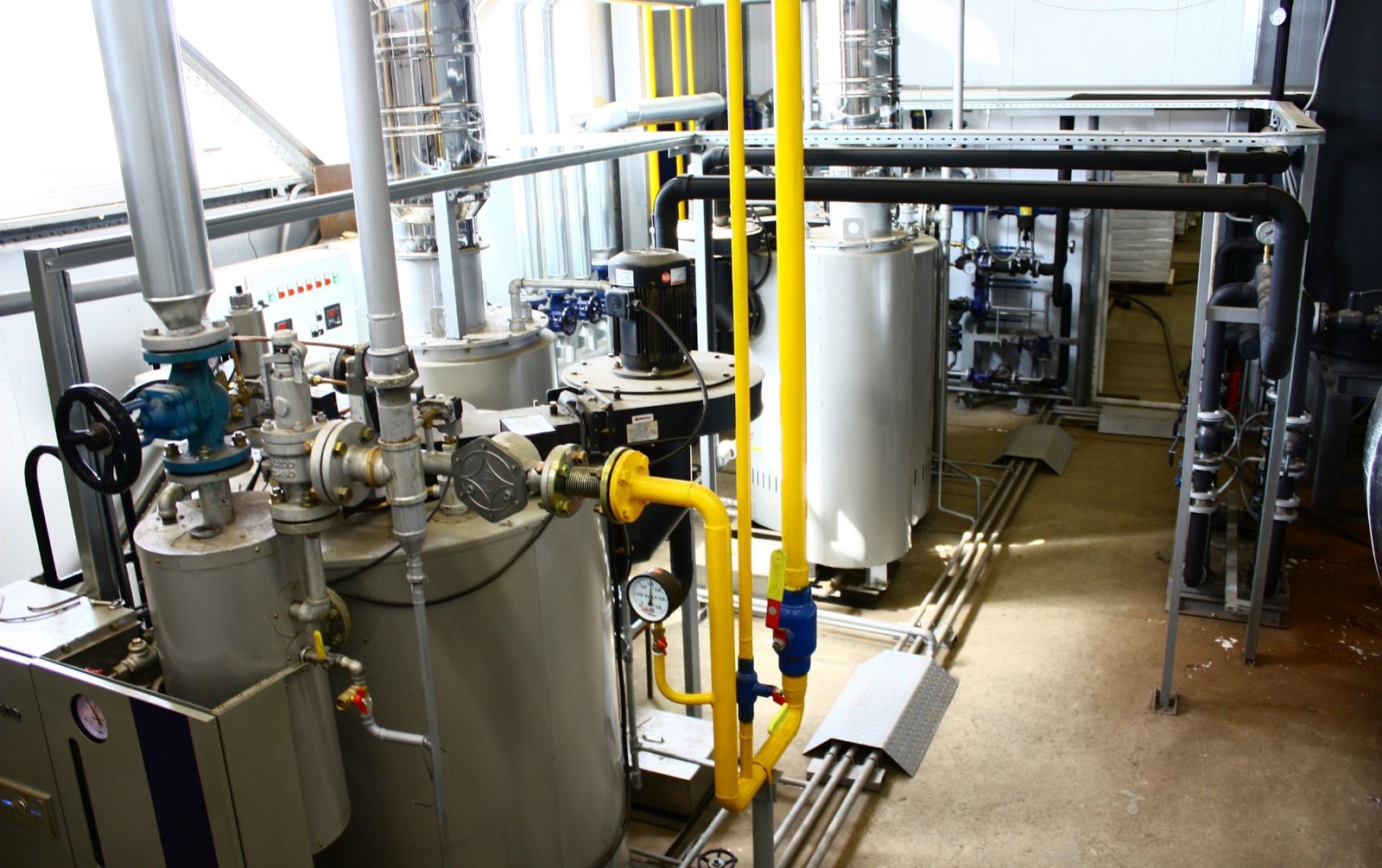
In Texas, boiler inspections follow requirements established by the Department of Licensing and Regulation Boiler Program. Facilities that maintain balanced steam systems often experience fewer unexpected issues during inspection periods.
Maintenance documentation also supports inspection readiness. Records involving steam trap surveys, piping repairs, and system evaluations help demonstrate ongoing maintenance efforts.
Improving Steam Balance Through Preventive Maintenance
Preventive maintenance helps facilities maintain stable steam distribution and improve long-term system reliability. Ongoing evaluations allow maintenance teams to identify inefficiencies before equipment damage occurs.
Steam trap inspections, leak detection surveys, pressure monitoring, and condensate system evaluations all support steam balance improvements. Facilities may also benefit from reviewing piping layouts and insulation conditions periodically.
Monitoring system performance trends can reveal pressure inconsistencies that would otherwise remain hidden. Early corrective action often reduces repair costs and limits operational disruption.
Facilities that prioritize preventive maintenance typically experience fewer emergency repairs and more predictable system performance.
Work With a Team That Focuses on Practical Solutions
Steam system performance depends on careful planning, accurate evaluations, and clear communication. Facilities benefit from experienced teams that focus on realistic solutions instead of temporary fixes.
At Boiler Pros, we provide complete boiler solutions and work directly with customers to evaluate steam balance concerns, identify system inefficiencies, and develop repair strategies that support operational goals. Contact us today to get a free quote.