Who Is Responsible for Boiler Compliance, Owner vs Facility Manager
Questions about boiler compliance often surface when inspections are approaching or when something goes wrong. Owners may assume day-to-day responsibility rests with the facility team, while facility managers may believe compliance ultimately falls on ownership. In Texas, that uncertainty can create gaps that lead to failed inspections, shutdowns, or enforcement actions.
We see this confusion regularly across commercial and industrial facilities. Boiler compliance involves shared responsibilities, but those responsibilities are not equal or interchangeable. This article clarifies how boiler compliance is typically divided between owners and facility managers in Texas, where accountability ultimately rests, and how clear coordination prevents compliance failures.
Why Boiler Compliance Is a Shared Responsibility
Boiler compliance touches multiple layers of facility operations. Ownership decisions affect budgets, capital planning, and system upgrades, while facility managers oversee daily operation, maintenance, and inspection readiness.
Problems arise when responsibilities are assumed rather than defined. Compliance gaps often appear when owners and facility teams operate independently instead of collaboratively. Clear role definition helps ensure inspections, maintenance, and documentation stay aligned year-round.
The Owner’s Role in Boiler Compliance
Owners hold the highest level of responsibility for boiler compliance under Texas regulations. Ownership is tied to registration, legal accountability, and long-term system condition.
Owners are typically responsible for:
Ensuring boilers are properly registered
Funding required inspections and repairs
Authorizing major repairs, alterations, or replacements
Maintaining compliance at the property or portfolio level

Even when daily oversight is delegated, owners remain accountable for compliance outcomes. Inspection failures, fines, or shutdown orders are ultimately tied to ownership, not individual employees.
This responsibility makes owner engagement critical. When owners stay informed and proactive, facility teams have the support they need to maintain compliance consistently.
The Facility Manager’s Role in Boiler Compliance
Facility managers handle the operational side of boiler compliance. They interact with the equipment daily and are often the first to identify developing issues.
Facility managers are commonly responsible for:
Scheduling inspections and coordinating access
Monitoring inspection due dates
Overseeing routine maintenance and testing
Maintaining inspection and repair documentation
Preparing boiler rooms for inspection visits
Because facility managers manage execution, they play a key role in inspection outcomes. Missed testing, incomplete records, or delayed repairs often trace back to operational constraints rather than lack of effort.
Strong facility management keeps boilers inspection-ready and prevents small issues from becoming compliance problems.
Where Compliance Breakdowns Commonly Occur
Compliance failures rarely result from a single mistake. They usually develop where owner and facility responsibilities overlap or remain unclear.
Common breakdown points include:
Inspection schedules not clearly tracked
Repairs delayed due to unclear approval authority
Documentation gaps between maintenance and ownership records
Assumptions that another party handled registration or reporting
When these gaps exist, inspections become reactive events. Clear communication and shared visibility reduce these risks significantly.
How Texas Regulations Define Accountability
In Texas, boiler compliance is enforced through the Texas Department of Licensing and Regulation (TDLR), which regulates inspections, registration, and enforcement statewide. While facility managers may coordinate inspections, regulatory accountability rests with the boiler owner.
Inspectors document findings against the registered owner of the boiler. Notices, violations, and enforcement actions are issued based on ownership records, regardless of who manages day-to-day operations.
Facilities can verify inspection schedules and registration details through the Texas boiler database. Regular review of this system helps both owners and facility managers stay aligned.
Inspection Day Responsibilities
Inspection day highlights how responsibilities intersect. Facility managers typically prepare the site, provide access, and support testing, while owners ensure compliance resources are available.
During inspections:
Facility managers coordinate shutdowns, access, and testing
Owners ensure funding and authorization for corrective actions
Both parties review inspection findings and timelines
When one side is missing or unprepared, inspections slow down. Coordinated preparation keeps inspections efficient and reduces follow-up visits.
Repair Decisions and Approval Authority
Repair timing often exposes responsibility gaps. Facility managers may identify issues early, but repairs can stall if approval authority is unclear.
Effective compliance planning requires:
Defined thresholds for repair approvals
Clear escalation paths for urgent issues
Pre-approved budgets for common repairs
Shared understanding of inspection risk
When approval processes are defined in advance, repairs move faster and inspections remain on schedule.
Documentation Ownership and Recordkeeping
Documentation sits at the center of boiler compliance. Owners and facility managers both contribute, but responsibility for accuracy must be shared intentionally.
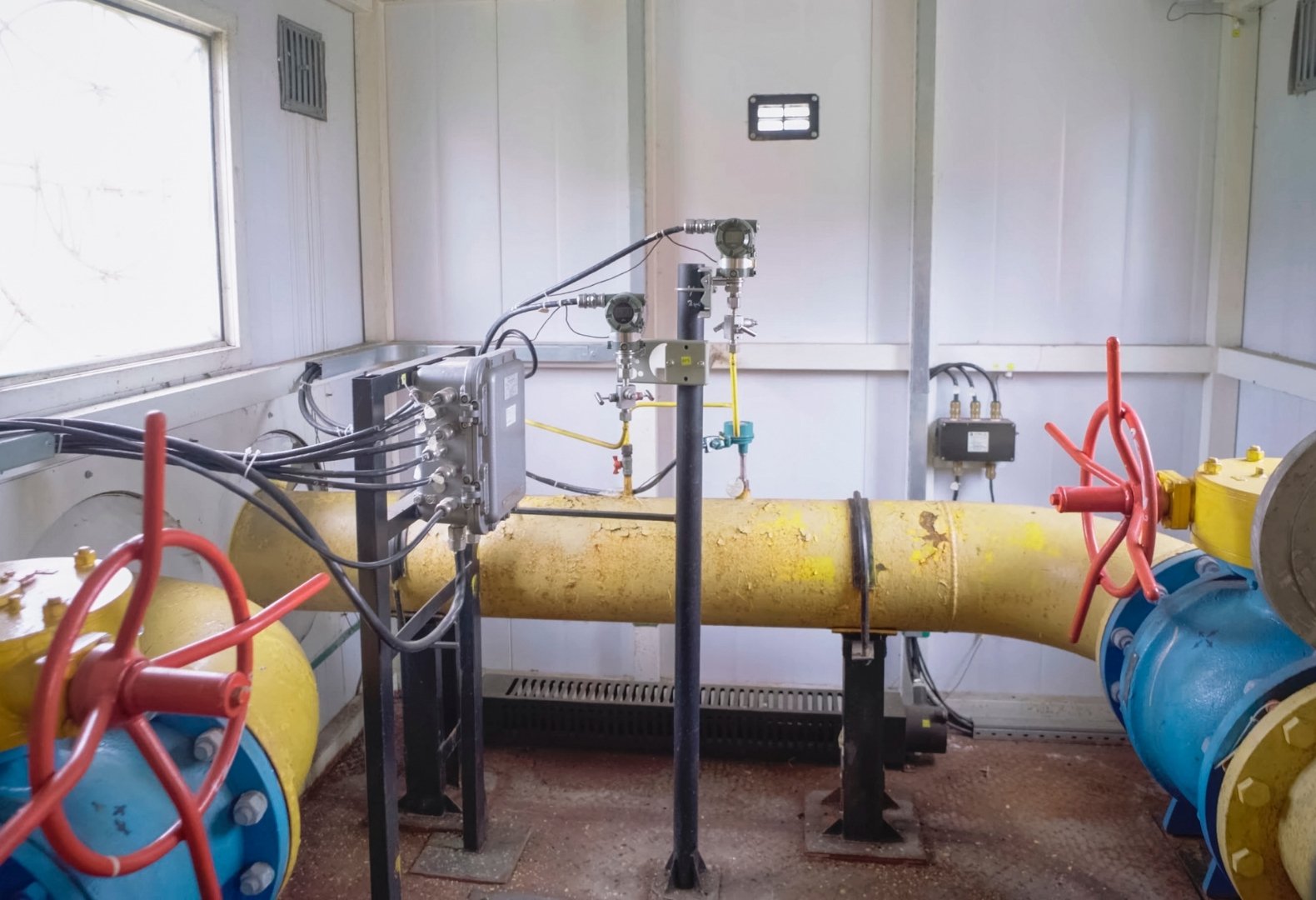
Key documentation areas include:
Inspection certificates and reports
Repair and alteration records
Safety device testing logs
Registration updates and ownership changes
Facilities that centralize records and grant access to both parties experience fewer compliance gaps. Disorganized documentation is one of the most common causes of inspection delays.
Aligning Owner and Facility Manager Responsibilities
Clear alignment turns boiler compliance into a predictable process rather than a recurring challenge. Facilities that define roles early experience fewer inspection failures and faster resolutions.
Effective alignment includes:
Regular compliance reviews between owners and facility teams
Shared visibility into inspection schedules and repair status
Defined responsibilities for approvals, scheduling, and documentation
Ongoing communication around system condition
This structure supports consistent compliance across single facilities and multi-site operations. It also reduces confusion during inspections by ensuring both owners and facility managers understand their responsibilities before issues arise.
Building a Sustainable Compliance Strategy
Boiler compliance works best when it is treated as an ongoing responsibility rather than an annual task. Owners provide strategic oversight, while facility managers execute daily requirements.
Together, this partnership supports safer operation, predictable inspections, and reduced risk. Facilities that invest in coordination protect both operations and long-term assets.
Clear Accountability Leads to Better Outcomes
Boiler compliance in Texas does not fall entirely on one role. Owners carry legal responsibility, while facility managers manage execution. Success depends on clear expectations, shared communication, and coordinated planning.
At Boiler Pros, we work with owners and facility managers to clarify compliance responsibilities, prepare for inspections, correct deficiencies, and plan maintenance around Texas requirements. We support boilers across Texas, including systems we did not originally install, and help teams reduce compliance risk through practical planning.
Strong compliance starts with clear accountability and experienced support. Keep your boiler compliance on track and your facilities operating with confidence. Contact Boiler Pros today.