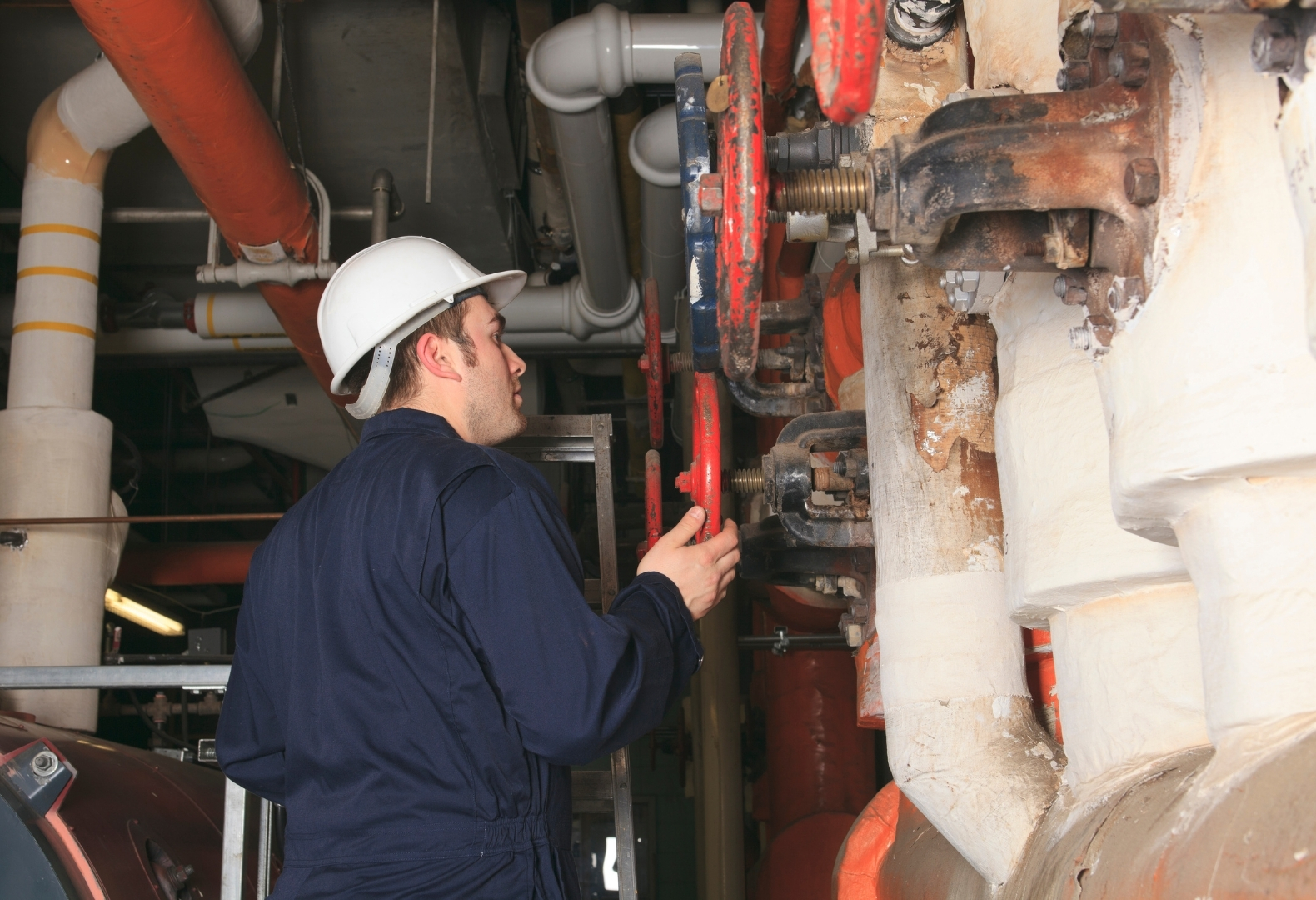
What Happens If Your Boiler Fails Inspection in Texas
A boiler inspection failure can interrupt operations faster than many facility teams expect. In Texas, inspections are tied directly to safety, compliance, and continued operation, which means a failed inspection creates immediate obligations. Knowing what happens next allows facilities to respond calmly, protect uptime, and resolve issues without unnecessary escalation.
We work with facilities across Texas that rely on boilers every day. When an inspection does not go as planned, the outcome depends on the severity of the findings, how quickly issues are addressed, and how well the facility is prepared to respond. This article explains what typically happens after a boiler fails inspection in Texas and what facility teams should expect at each stage.
How Inspection Failures Are Identified
When a boiler fails inspection, the inspector documents specific deficiencies observed during the visit. These findings are not informal notes. They become part of the official inspection record and determine what actions are required before the boiler can continue operating.
Failures generally fall into two categories. Some issues are administrative or procedural, while others directly affect safety and operation. The distinction matters because it influences whether a boiler can remain in service while corrections are made.
Inspectors clearly outline which items must be corrected, how they should be addressed, and whether reinspection is required. Understanding the classification of each finding helps facilities prioritize the next steps effectively.
Immediate Outcomes After a Failed Inspection
The immediate impact of a failed inspection depends on the risk level of the findings. Minor deficiencies may allow continued operation under specific conditions, while serious safety concerns can require an immediate shutdown.

Common immediate outcomes include:
A notice requiring corrective action within a defined timeframe
Conditional operation pending documentation or minor repairs
Removal from service until deficiencies are corrected
Scheduling of a follow-up or reinspection
Facilities that respond quickly and communicate clearly tend to minimize disruption. Delays often increase scrutiny and extend downtime.
When a Boiler Must Be Shut Down
Some inspection failures trigger mandatory shutdowns. These situations involve conditions that could compromise safety if the boiler continues operating.
Shutdowns are commonly required when inspectors identify:
Inoperable pressure relief valves
Failed low-water cutoffs
Disabled or bypassed safety interlocks
Structural or pressure boundary concerns
Severe leaks or corrosion affecting integrity
A shutdown does not mean the boiler cannot return to service. It means the identified issues must be corrected, verified, and approved before operation resumes. Planning for this possibility helps facilities avoid extended outages.
Corrective Actions and Repair Expectations
Once deficiencies are identified, facilities are responsible for completing corrective actions in accordance with applicable codes. Inspectors expect repairs to be documented, traceable, and performed correctly.
Corrective actions may include:
Repairing or replacing safety devices
Addressing leaks, corrosion, or damaged components
Updating control settings or wiring
Correcting improper modifications
Submitting missing documentation
Facilities should avoid temporary or undocumented fixes. Inspectors review repair quality closely, especially when the boiler was removed from service.
Reinspection and Approval to Return to Service
After corrective actions are completed, a reinspection is often required. During this visit, inspectors verify that deficiencies were addressed properly and that the boiler meets operational and safety requirements.
Reinspections focus specifically on the cited issues rather than repeating the entire inspection. Clear documentation and readiness help this step move efficiently. Incomplete repairs or unclear records can delay approval.
Once inspectors confirm compliance, the boiler may return to normal operation. Facilities that prepare thoroughly for reinspection experience faster resolution.
Administrative Consequences of Inspection Failures
Inspection failures also carry administrative implications. Inspection records remain part of the boiler’s history and may influence future inspections.
Administrative consequences can include:
Increased scrutiny in future inspections
Shortened inspection intervals
Additional documentation requirements
Follow-up reviews for repeat deficiencies
Maintaining strong records and addressing root causes helps prevent recurring issues. Over time, this reduces compliance risk and simplifies future inspections.
The Role of Texas Regulations in Inspection Outcomes
Boiler inspections in Texas are governed by the Texas Department of Licensing and Regulation (TDLR), which establishes inspection standards, enforcement authority, and compliance expectations. Inspectors operate within these rules, and outcomes are consistent statewide.
Facilities can verify inspection schedules and registration details using the official Texas boiler database. Monitoring this system helps teams stay informed and avoid compliance lapses that contribute to inspection failures.
Managing Operational Impact After a Failure
Inspection failures can disrupt production, patient care, or facility operations depending on how the boiler is used. Planning for continuity reduces the operational impact.
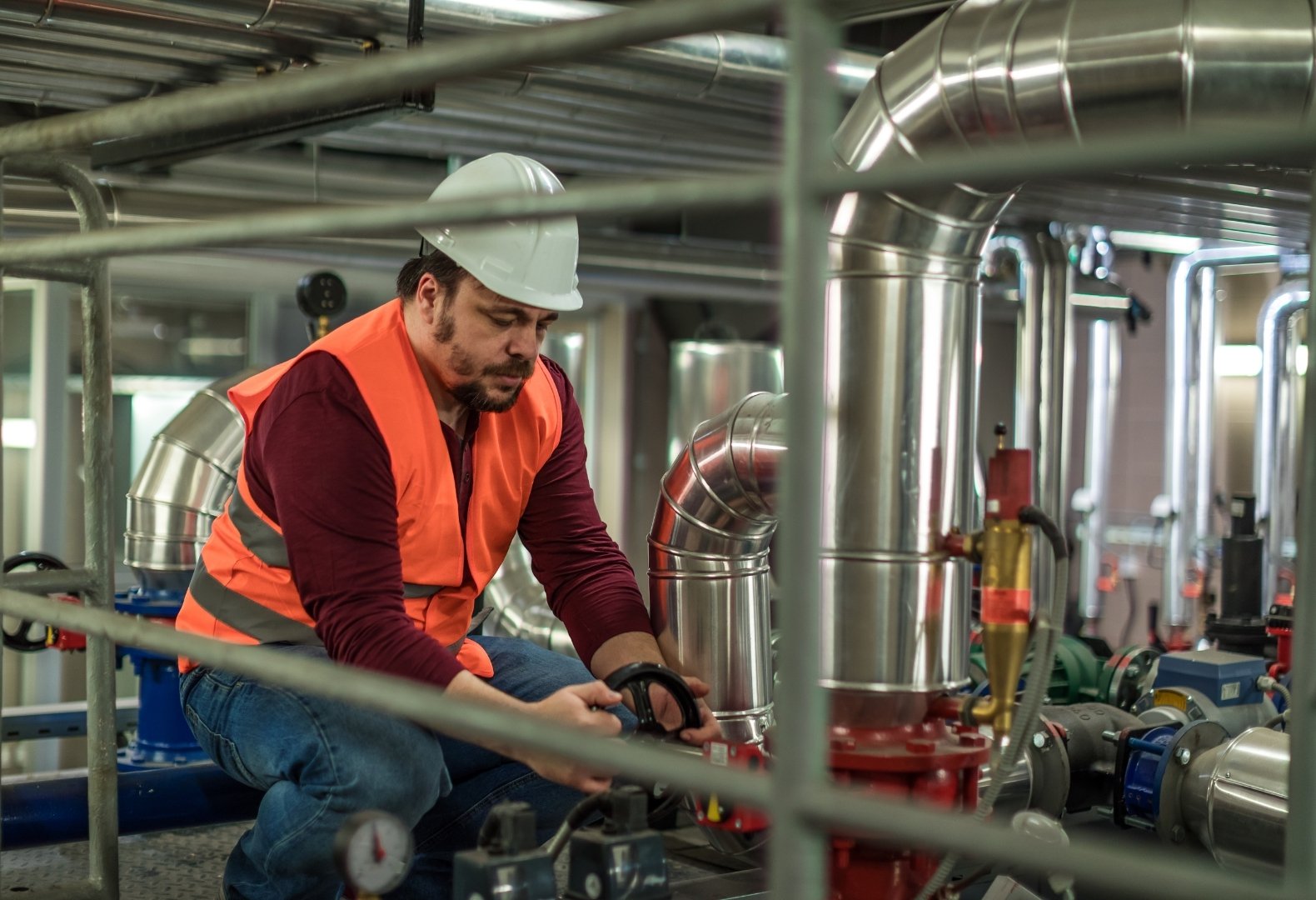
Facilities often manage disruptions by:
Coordinating repairs during planned downtime
Adjusting production schedules temporarily
Bringing in rental equipment when extended repairs are required
Assigning dedicated staff to manage corrective actions
Early coordination limits ripple effects across the facility. It also allows leadership teams to maintain visibility into timelines, costs, and operational priorities.
Preventing Repeat Inspection Failures
Most inspection failures are preventable. Facilities that treat inspections as part of an ongoing maintenance strategy see fewer shutdowns and faster approvals.
Preventive practices include:
Regular internal inspections between official visits
Routine testing of safety devices
Reviewing prior inspection reports for unresolved issues
Keeping documentation current and accessible
Maintenance agreements with identified timelines for service and correction of potential issues
This approach improves safety and creates predictable inspection outcomes. Over time, it also reduces emergency repairs and unplanned downtime.
Moving Forward After an Inspection Failure
A failed inspection does not define the reliability of a facility or its boiler system. It highlights specific areas that need attention. Facilities that respond promptly, document corrections, and plan ahead regain compliance and stability quickly.
At Boiler Pros, we work directly with facility teams to address inspection failures, correct deficiencies, and prepare boilers for reinspection. We support systems across Texas, including equipment we did not originally install, and help facilities reduce downtime and inspection-related risk.
Inspection challenges require clear planning and experienced support. Contact us today to keep your boiler compliant, operational, and ready for every inspection cycle.