Recovering Boiler Systems After a Flood
Flood events can create immediate and long-term risks for boiler systems. Water intrusion introduces contamination, electrical hazards, corrosion risks, and potential structural damage to critical equipment. Facilities that rely on steam or hot water for daily operations cannot afford extended downtime, especially in environments such as hospitals, food processing plants, manufacturing facilities, hotels, and airports.
When flooding occurs, recovery requires a structured evaluation process. Our goal is to help facility teams restore safe operation, prevent additional damage, and determine whether repairs or system upgrades are necessary.
Why Flooding Is a Serious Threat to Boiler Systems
Boiler rooms are often located in basements or mechanical areas that can collect water during heavy rainfall, plumbing failures, or nearby flooding. Once water reaches boiler equipment, several systems may be affected at once.
Electrical controls can short or corrode after exposure to water. Burner components and sensors may fail to operate properly. Insulation materials can retain moisture, which accelerates corrosion. Water contamination can also enter the feedwater system, damaging pumps and treatment equipment.
Facilities that attempt to restart boilers too quickly may face additional complications. Even minor water exposure can create hidden electrical issues or internal corrosion that leads to failure later. For this reason, a careful inspection process is always recommended before attempting to bring equipment back online.
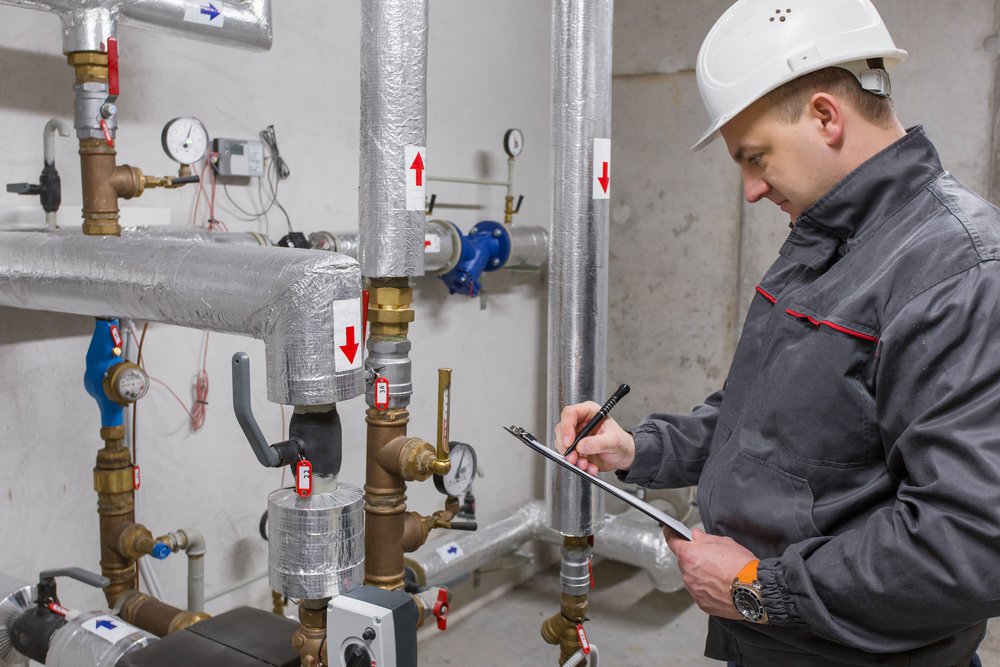
Immediate Steps After Flooding
Facility teams should take a cautious approach immediately after a flood event. The first priority is safety, followed by protecting the integrity of the equipment.
Before beginning any restart procedures, several steps should occur.
Shut down the boiler system if it has not already been taken offline.
Disconnect electrical power to the affected equipment.
Prevent further water from entering the mechanical room if possible.
Document the water level and affected components.
Contact experienced boiler professionals for evaluation.
Taking these precautions reduces the risk of electrical hazards and helps technicians determine the full scope of the damage.
Even when water appears to have receded quickly, residual moisture can remain inside panels, wiring harnesses, and insulation materials.
Key Areas That Require Inspection
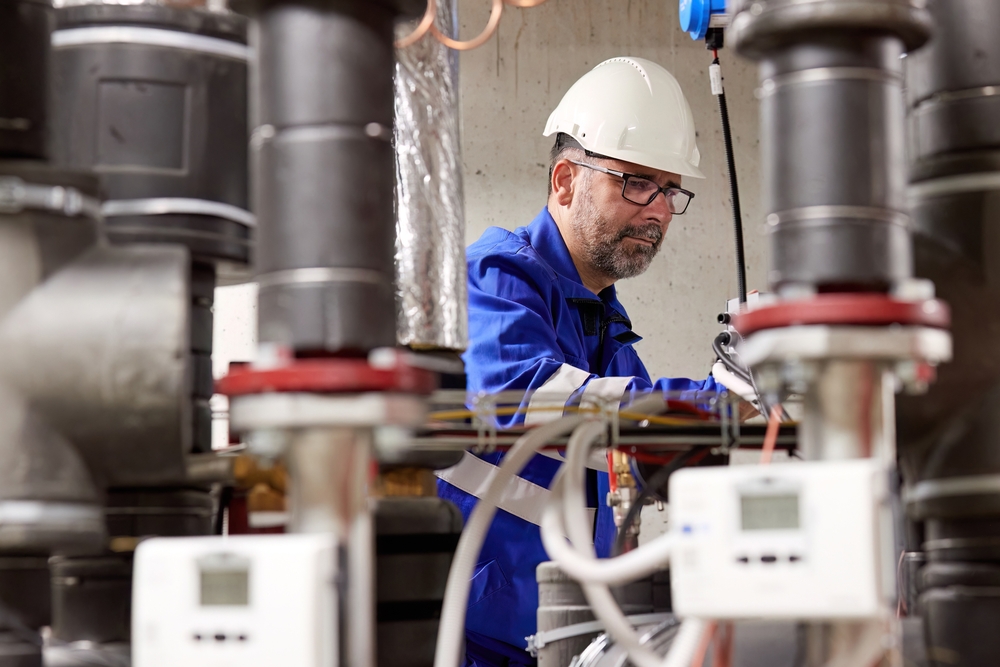
Flood recovery begins with a detailed inspection of the equipment and surrounding systems. Each component must be evaluated before the boiler can safely return to operation.
The inspection typically focuses on several critical areas. This includes the following:
Electrical Systems
Control panels, safety switches, wiring connections, and sensors are often the most vulnerable components during a flood. Water exposure can lead to corrosion, shorts, or unreliable signals that affect burner operation.
Technicians inspect and test these components to determine whether cleaning, drying, or replacement is required.
Burners and Combustion Controls
Burner assemblies contain motors, valves, and electronic components that may not tolerate moisture exposure. Even if the burner appears intact, internal damage can affect ignition reliability and combustion performance. Proper testing ensures the burner system can operate safely once the boiler is restarted.
Pumps and Feedwater Equipment
Floodwater can contaminate pumps, strainers, and feedwater tanks. Sediment and debris may enter the system and create mechanical wear or clogging. These components often require cleaning, flushing, and inspection before normal operation resumes.
Insulation and Structural Components
Moisture trapped inside insulation can accelerate corrosion on pressure vessels and piping. Structural supports and mounting hardware may also need inspection if they were submerged. Removing compromised insulation and drying affected areas helps prevent long-term damage.
Determining Repair or Replacement Options
Once the inspection is complete, the next step involves deciding whether repairs are sufficient or if system upgrades should be considered.
Several factors influence this decision:
The depth and duration of water exposure
The age and condition of the boiler system
The availability of replacement components
The operational needs of the facility
In some situations, cleaning and replacing a few electrical components restores the system quickly. In other cases, extensive water damage may require larger repairs or partial system replacement.
Every facility operates under different constraints related to budget, available space, and production requirements. These considerations play an important role in determining the most practical path forward.
Maintaining Boiler Systems Operations During Recovery
Many facilities depend on boiler systems to maintain daily operations. Hospitals rely on steam for sterilization and heating. Food production facilities require consistent thermal processes. Hotels and airports depend on hot water and climate control.
When flooding causes a shutdown, restoring service quickly becomes a priority. Temporary rental boilers can help facilities maintain operations while repairs or system upgrades are underway. These units allow production or essential services to continue with minimal disruption.
Planning for temporary equipment during recovery often shortens downtime and gives facility teams the time needed to complete repairs properly.
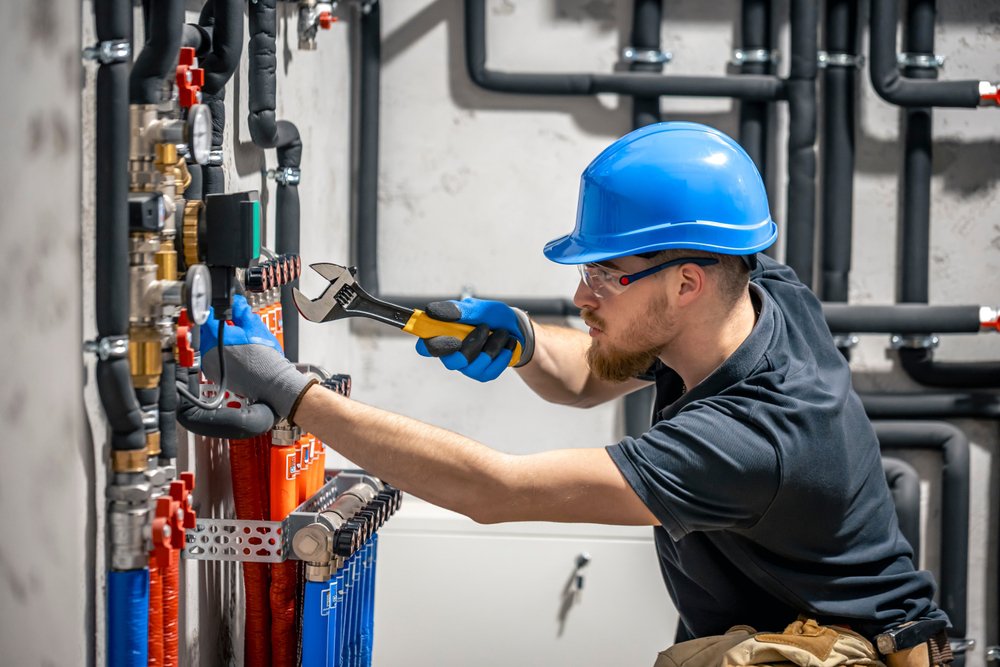
Preparing for Inspections After a Flood
Facilities operating in Texas must also consider inspection requirements when recovering from a flood. Boiler inspections occur on a scheduled basis, and equipment must meet regulatory standards before returning to service.
The Texas Department of Licensing and Regulation provides inspection schedules and guidance for facilities operating boilers across the state.
These requirements help ensure equipment continues to operate safely after major events such as flooding. Addressing potential issues early can prevent delays during the inspection process. Recovery work should always include documentation of repairs, component replacements, and system testing.
Supporting Boiler Systems Through Recovery
Flood damage can create significant challenges for facilities that depend on reliable steam or hot water systems. A careful evaluation process protects both the equipment and the people who operate it.
At Boiler Pros, we work directly with facility teams to assess flood damage, identify practical repair solutions, and develop system designs that support long-term performance. As a disabled veteran-owned and operated company, we believe in meeting on-site, discussing the facility’s needs, and designing solutions that align with operational requirements, available space, and budget.
Every recommendation is documented in writing, and no changes occur without customer approval in advance. If a system is down, we can arrange rental equipment to help keep operations moving while permanent solutions are implemented.
If your facility is dealing with flood damage or planning improvements for its boiler systems, contact us today to discuss your situation with our team.