
Preparing for Hospital Boiler Systems Failure Without Interrupting Patient Care
A boiler can fail without warning, even when everything appears normal during daily operations. When hospital boiler systems support essential building functions, an outage can create problems far beyond the mechanical room. Preparing for that possibility gives facility teams more options when equipment suddenly stops producing the required heat or steam.
Start With a Hospital Boiler Systems Failure Response Plan
The first step is deciding what should happen before an emergency occurs. A boiler failure plan should identify critical loads, responsible personnel, backup resources, and the sequence for restoring service. Everyone involved should know their responsibilities before an actual failure creates pressure and confusion.
The plan should also identify which services depend on the affected boiler. Some loads may be essential immediately, while others can temporarily operate at reduced capacity. Separating those priorities helps teams make faster decisions when available boiler capacity changes.
A written response plan should remain accessible to the people who may need it. Contact information, equipment details, isolation points, and emergency procedures should not exist only in someone's memory. Clear documentation becomes especially valuable when the people responding to an outage were not involved with the original system installation.
Map Critical Boiler Loads
Not every boiler load carries the same consequences during an outage. Heating, domestic hot water, sterilization, laundry, kitchen operations, and other services may have different priorities. Identifying those priorities ahead of time helps determine how much temporary capacity may be required.
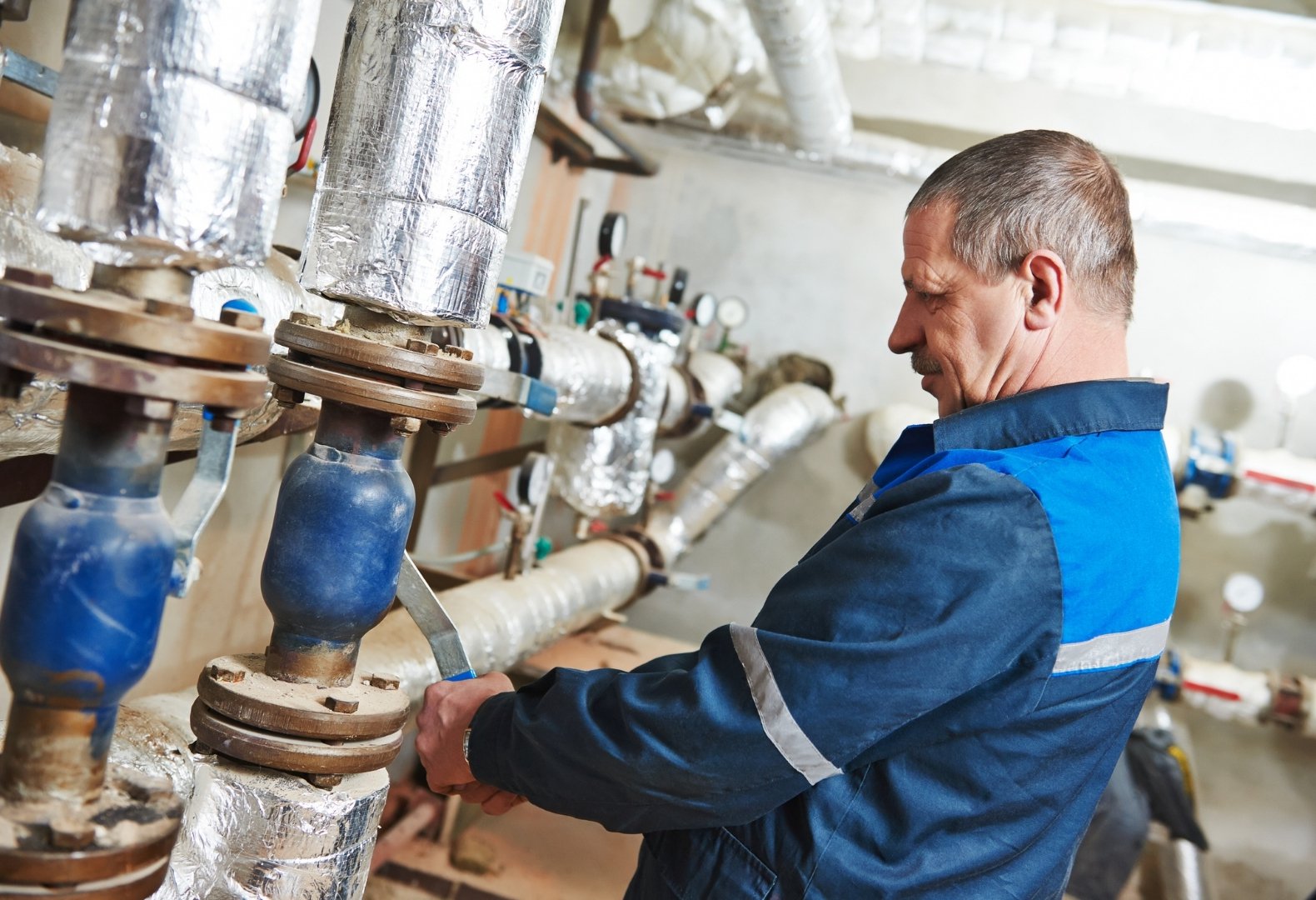
Load mapping can also reveal opportunities to reduce demand during an emergency. Some nonessential systems may be temporarily adjusted while critical services receive available capacity. That strategy can extend the usefulness of remaining boiler capacity during a difficult situation.
We should also consider seasonal demand when evaluating failure scenarios. A boiler problem during a mild period may have very different consequences from the same failure during extreme weather. Planning for the most demanding reasonable conditions provides a stronger basis for emergency decisions.
Know What Hospital Boiler Systems Failure Can Look Like
A boiler outage does not always mean the entire unit suddenly shuts down. Failure can involve burners, controls, pumps, electrical components, fuel systems, feedwater equipment, or other supporting systems. The response plan should account for different failure scenarios rather than assuming every emergency will look identical.
A partial failure may allow limited operation while repairs are underway. A complete shutdown creates a different situation, particularly when there is no additional boiler capacity available. Knowing these distinctions can help determine whether the immediate response involves troubleshooting, load reduction, temporary equipment, or a combination of approaches.
The cause of the failure also matters. A component replacement may require hours, while major equipment damage can extend the outage significantly. Teams should avoid assuming that the first estimate will always reflect the actual repair timeline.
Plan for Temporary Hospital Boiler Systems Capacity
A temporary boiler can provide an important option when permanent equipment cannot meet current demand. Rental equipment can potentially restore some or all of the required capacity while technicians address the underlying problem. Planning for this possibility before an emergency can shorten the time between failure and temporary operation.
Temporary equipment still requires careful planning. Space, access, fuel, electrical service, water connections, steam connections, exhaust requirements, and other site conditions must be evaluated. The available connection points may also determine how quickly temporary capacity can be integrated.
We should also establish where temporary equipment could physically operate. A suitable location needs adequate access for delivery, installation, operation, and eventual removal. Identifying those constraints before an outage can prevent site logistics from becoming the largest obstacle during an emergency.
Protect Access to the Boiler Room
Physical access can become an overlooked issue during a major equipment failure. Emergency personnel may need to move equipment, tools, hoses, cables, or temporary systems through areas that normally remain unobstructed. Access routes should therefore be part of contingency planning.
Delivery requirements deserve attention as well. Temporary boilers and related equipment can require substantial space and specialized transportation. Teams should know where equipment could arrive, where it could be positioned, and how connections could be routed without creating additional operational problems.
Site planning should also account for safety and normal facility operations. Temporary equipment should not interfere with emergency access, patient movement, staff operations, or other critical activities. A workable contingency solution must fit the physical realities of the facility.
Establish Emergency Communication Procedures
Boiler failures rarely affect only the maintenance department. Facilities, engineering, administration, infection prevention, operations, and other departments may need information about the outage and expected recovery. Clear communication helps each group make appropriate decisions without relying on incomplete information.
The response plan should identify who communicates internally and who coordinates outside assistance. It should also establish what information needs to be shared. That may include the affected equipment, current capacity, critical services affected, estimated repair timeline, temporary measures, and next planned update.
Communication should continue throughout the response. A repair estimate can change as technicians identify additional problems. Regular updates help decision-makers adjust their plans instead of operating from information that is no longer accurate.
Test the Plan Before a Real Failure
A contingency plan becomes much more useful when teams know whether it actually works. A tabletop exercise can walk personnel through a hypothetical boiler failure without disrupting normal operations. The exercise can reveal missing information, unclear responsibilities, and logistical obstacles.
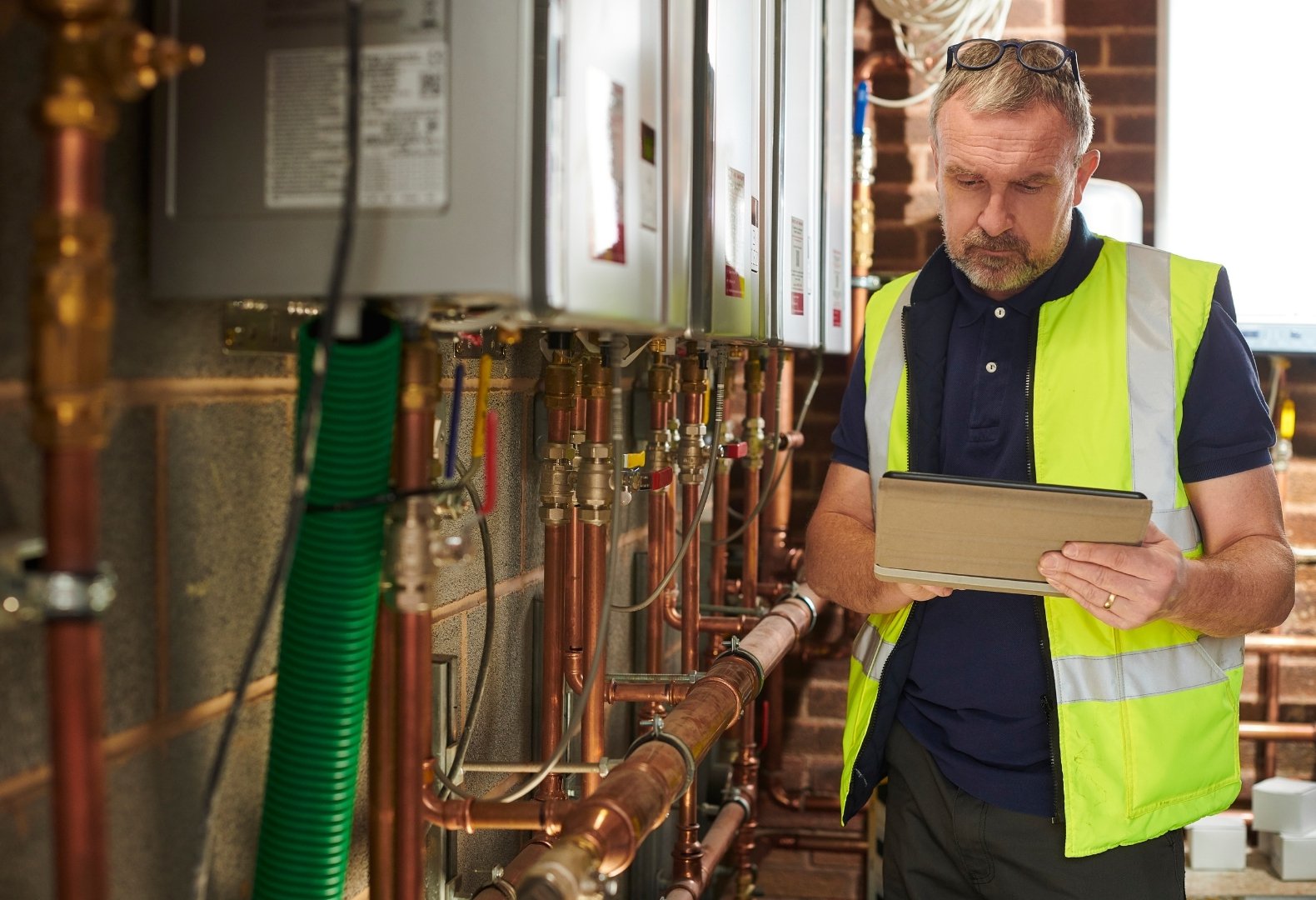
The exercise should start with a realistic failure scenario. Teams can then work through the expected response from the initial alarm through temporary capacity, repair coordination, and eventual restoration. Each step provides an opportunity to identify weaknesses in the plan.
Plans should be updated after these exercises. Personnel changes, equipment changes, construction projects, and facility expansions can all affect the original assumptions. Reviewing the plan periodically keeps it aligned with the actual site.
Consider Boiler Replacement Before Failure Forces the Decision
Emergency planning can also reveal when an existing boiler has become a significant operational risk. Repeated failures, obsolete components, limited redundancy, or difficult access may indicate that continued operation carries increasing consequences. Those conditions can justify evaluating replacement or system modifications before a major outage occurs.
Replacement planning provides considerably more control than emergency replacement. Teams can evaluate capacity, available space, fuel requirements, installation constraints, and project timing without dealing with an active service interruption. A planned project can also provide time to compare different solutions and coordinate the work around facility operations.
Keep Patient Care at the Center of Your Hospital Boiler Systems Response
A boiler emergency requires more than fixing mechanical equipment. The response must account for the services that depend on that equipment and the consequences of losing them. A strong contingency plan creates a path from initial failure to temporary capacity, permanent repair, and full restoration.
Boiler Pros helps facilities prepare for those situations by evaluating existing boiler systems, discussing operational requirements, and developing practical solutions for equipment problems. When a system goes down, we can also work with the team to determine what can be repaired and whether temporary rental capacity can reduce the impact. Check out our complete boiler solutions or reach out to get a free quote.