Signs Your Boiler Controls Are Outdated
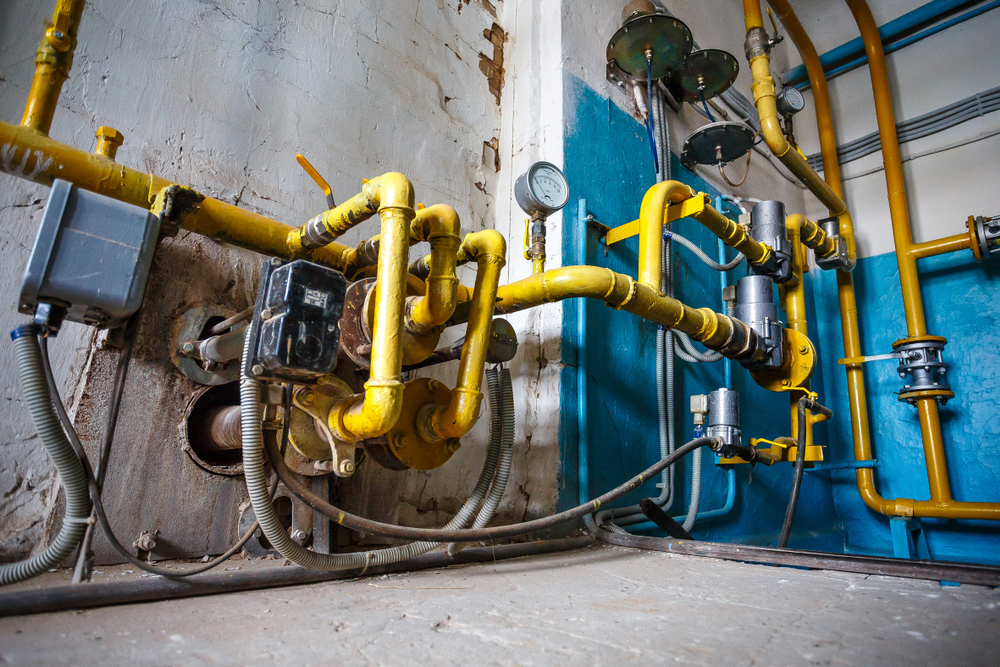
Many boiler systems continue operating long after their original control platforms have reached the end of their practical lifespan. While the boiler itself may remain mechanically sound, aging boiler controls can limit performance, create operational challenges, and increase maintenance demands.
Control systems serve as the communication center of a boiler operation. They collect information, manage operating parameters, and help maintain stable performance. When controls become outdated, facilities often experience issues that affect efficiency, reliability, and long-term planning.
Frequent Manual Adjustments Become Necessary
One of the most common warning signs involves excessive operator intervention. Older control systems often require manual adjustments to maintain desired operating conditions.
Operators may find themselves routinely modifying settings to compensate for inconsistent system behavior. These adjustments can become part of normal operations, making the underlying issue less noticeable over time.
Modern control platforms automatically respond to changing conditions with greater precision. When constant manual corrections become necessary, the control system may no longer be keeping pace with operational demands.
Replacement Components Are Difficult to Find
Parts availability often becomes a major concern as control systems age. Manufacturers eventually discontinue older products, leaving facilities with fewer options when components fail.
Maintenance teams may spend significant time searching for compatible parts or refurbished replacements. Extended lead times can complicate repair planning and increase operational risks.

When obtaining replacement components becomes a recurring challenge, the cost of maintaining existing controls often increases substantially. Modernization may provide a more sustainable long-term solution.
Limited Diagnostic Information Slows Troubleshooting
Troubleshooting efficiency depends heavily on the quality of available system information. Many older control systems provide only basic status indicators and limited fault details. When issues occur, technicians may need to spend additional time identifying root causes. This process can extend downtime and increase labor costs.
Modern boiler controls deliver detailed diagnostics, trend data, and event histories. These tools help maintenance teams resolve problems more quickly and accurately. Facilities lacking access to this information may be operating with outdated technology.
Inconsistent Boiler Performance Appears More Often
Control systems play a central role in maintaining stable operation. When controls begin losing accuracy or responsiveness, overall performance can become less predictable.
Pressure fluctuations, uneven temperature control, and inconsistent operating cycles may indicate that the control platform is struggling to manage system demands effectively. While mechanical issues can contribute to these problems, outdated controls are often part of the equation.
Consistent operation requires accurate communication between sensors, controllers, and equipment. Aging systems may no longer provide the responsiveness required for optimal performance.
Data Collection Is Minimal or Nonexistent
Operational data has become increasingly valuable for maintenance planning and asset management. Facilities rely on performance information to identify trends, evaluate equipment health, and support decision-making.
Many legacy control systems offer little or no historical data collection. Information may be limited to current operating conditions without any ability to review past performance.
This lack of visibility makes it more difficult to identify developing issues. Modern controls provide valuable insights that support proactive maintenance strategies and operational planning. When important data remains unavailable, opportunities for improvement can be easily missed.
System Expansion Creates Compatibility Challenges
Facility operations rarely remain static. Equipment additions, process changes, and infrastructure upgrades often require control systems to adapt.
Older platforms may lack the flexibility needed to support new equipment or integration requirements. Adding sensors, monitoring points, or communication capabilities can become difficult or impossible.
As facilities evolve, control systems must evolve as well. Compatibility limitations often indicate that an existing platform has reached the end of its useful service life.
Upgrading controls can provide the flexibility necessary to support future operational objectives.
Communication Capabilities Fall Behind Current Standards
Modern facilities increasingly rely on connected systems to improve visibility and coordination. Boiler operations are no exception.
Many outdated boiler controls were designed before current communication technologies became standard. As a result, they may operate independently with limited ability to share information across broader facility networks.
Modern control platforms can support communication with building management systems, monitoring platforms, and maintenance programs. Improved connectivity helps create a more complete view of facility operations. Limited communication capabilities often signal that modernization should be evaluated.
Service Providers Recommend Temporary Fixes
Another indicator involves the nature of ongoing repairs. When technicians repeatedly implement temporary solutions rather than permanent fixes, the underlying control system may be approaching obsolescence. Workarounds can help keep equipment operational in the short term. However, relying on temporary measures often increases long-term maintenance complexity.
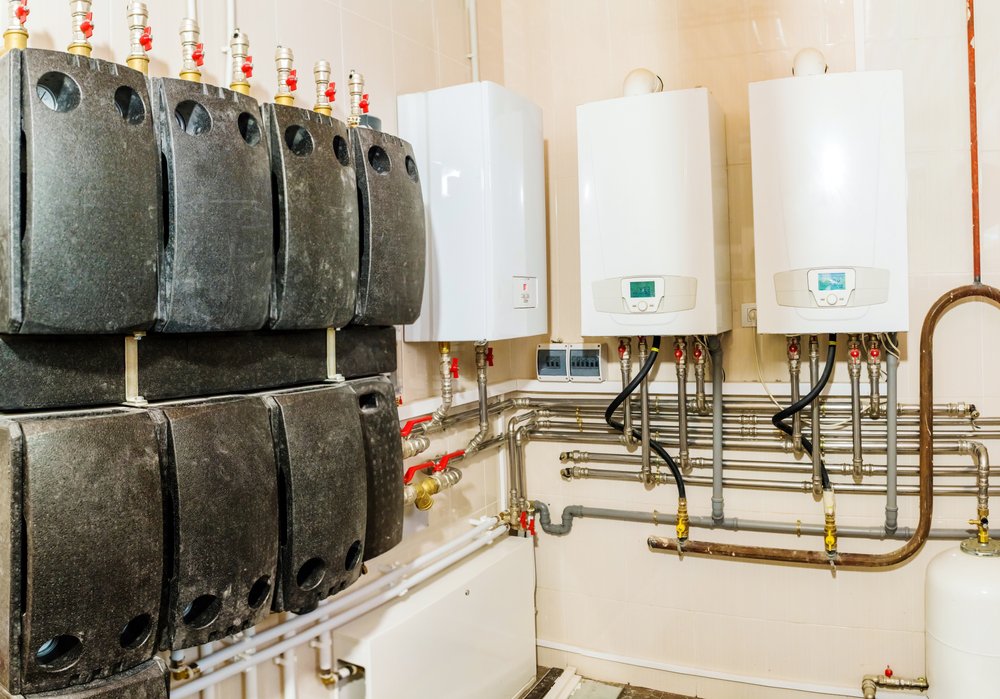
Repeated patchwork repairs may indicate that the existing platform can no longer support reliable operation. At that stage, replacement often becomes more practical than continued modifications. A strategic upgrade can eliminate recurring issues while simplifying future maintenance efforts.
Operational Expectations Have Changed
Technology advancements have significantly altered what facilities expect from boiler operations. Real-time monitoring, automated reporting, remote access, and predictive maintenance capabilities have become increasingly common.
Many older control systems were never designed to provide these functions. While they may still operate adequately, they often lack the tools that support modern asset management practices.
Evaluating controls against current operational goals can reveal gaps that were not apparent when the system was originally installed. These gaps often create opportunities for meaningful improvement. Facilities that modernize controls are often better positioned to manage performance, maintenance, and long-term planning objectives.
Evaluate Boiler Controls Before Problems Escalate
Outdated boiler controls do not always fail dramatically. More often, they create gradual inefficiencies, maintenance challenges, and operational limitations that grow over time. Identifying these warning signs early allows facilities to plan improvements strategically rather than react to unexpected failures.
At Boiler Pros, we take a hands-on approach to every system we work with by providing complete boiler solutions. We come to your facility, meet with your team, and evaluate your steam system in person before recommending any solution. We put everything in writing and make no changes without your approval.