
Most Common Hospitality Facilities and Hotel Boiler Challenges
A guest may never see the boiler room, but they notice quickly when something goes wrong with building services. A hotel boiler can influence hot water, heating, laundry, kitchens, and other daily operations. Keeping those systems dependable requires attention to the unique demands created by changing occupancy and continuous guest expectations.
Fluctuating Occupancy Creates Uneven Boiler Demand
Hotel occupancy rarely stays constant throughout the day. Morning showers can create a sharp increase in hot-water demand, while laundry and kitchen operations may create additional peaks. The boiler system must respond to these changes without creating uncomfortable temperature swings or service interruptions.
Weekends, holidays, conferences, and seasonal travel can create different demand patterns. A property may operate below capacity for several days before experiencing a sudden increase in occupied rooms. That variability can make historical averages less useful when evaluating actual boiler requirements.
Occupancy patterns should therefore be part of boiler planning. Looking at when demand occurs can reveal whether the system struggles during specific periods. It can also help identify whether equipment capacity aligns with how the property operates today.
Hot Water Demand Can Stress a Hotel Boiler
Domestic hot water can represent a substantial portion of boiler demand. Guests expect hot water whenever they need it, regardless of how many rooms are occupied at that moment. A sudden increase in simultaneous usage can place considerable demand on the heating system.
Hot-water requirements also extend beyond guest rooms. Kitchens, laundry facilities, housekeeping operations, and other building services can contribute to total demand. These loads may overlap during busy periods, creating conditions that are difficult to predict from room occupancy alone.
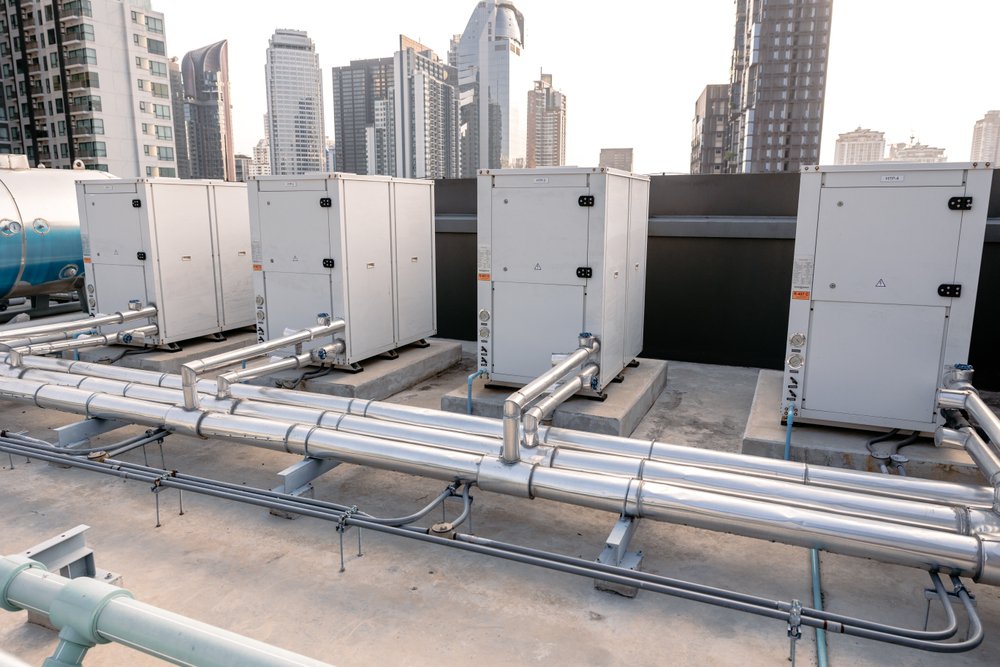
A proper evaluation should consider the entire hot-water system. Storage capacity, recovery rates, circulation, temperature requirements, piping, and actual usage patterns can all affect performance. Looking only at boiler output may overlook other limitations within the system.
Guest Comfort Leaves Little Room for Boiler Problems
A boiler issue can become a customer-service issue quickly. A heating problem during cold weather can affect rooms and common areas, while inadequate hot water can generate immediate complaints. The mechanical problem may be hidden from guests, but its consequences are highly visible.
Comfort issues can also affect staff workloads. Front desk personnel may need to respond to complaints, housekeeping teams may receive additional requests, and maintenance staff may have to address problems during busy periods. A relatively small boiler issue can therefore create operational distractions throughout the property.
Maintaining consistent building conditions requires more than reacting to complaints. Operating trends, equipment behavior, and service history can provide useful clues before guests experience the effects. Monitoring those factors gives maintenance teams an opportunity to address problems earlier.
Hotel Boiler Rooms Often Have Space Constraints
Many properties were built around equipment configurations that reflect the needs of another era. Renovations may have changed surrounding spaces without providing additional room for mechanical equipment. As a result, replacing or modifying a boiler can involve significant spatial challenges.
Clearances, access, ventilation, piping routes, electrical connections, and fuel arrangements all influence what equipment can fit. A replacement that works well on paper may not be practical within the existing mechanical room. Physical measurements and site conditions should therefore be evaluated early.
Access can become particularly important when large equipment must be removed or installed. Doorways, corridors, elevators, loading areas, and other pathways may limit available options. Planning around these constraints can prevent unexpected complications during a project.
Noise and Vibration Can Matter
Mechanical equipment produces sound and vibration, which can become especially important when guest rooms or occupied spaces are located near mechanical areas. A boiler system that operates acceptably in an isolated industrial setting may require different considerations within a hospitality property.
Pumps, burners, fans, valves, and other components can contribute to mechanical noise. Changes in operating conditions can also make unusual sounds more noticeable. Persistent noise should be investigated rather than dismissed as an unavoidable characteristic of the equipment.
Vibration can create additional concerns when equipment connects to building structures or piping. Proper equipment selection, installation, and evaluation of surrounding conditions can help manage these effects. Addressing mechanical issues early can also prevent minor problems from becoming more disruptive.
Aging Equipment Creates Hospitality Challenges
Older boiler equipment can remain functional for many years, but its operating limitations may become increasingly noticeable. Replacement components can become harder to source, controls may become outdated, and original system documentation may no longer reflect current conditions. These factors can make repairs more complicated.
Aging equipment can also become less compatible with later building modifications. A property may have added rooms, renovated kitchens, expanded laundry operations, or changed heating requirements since the original boiler was installed. The equipment may still operate, but the system around it may have evolved considerably.
Evaluating aging equipment requires looking at the entire operating picture. Repair frequency, parts availability, operating performance, physical condition, and future property plans can all influence the right decision. Replacement is not automatically the answer, but continued operation should have a clear rationale.
Seasonal Changes Can Shift Boiler Requirements
Hospitality properties experience different operating conditions throughout the year. Heating demand can increase substantially during colder periods, while hot-water demand may remain relatively consistent. Properties in warmer climates can face a different balance between space heating and domestic hot-water requirements.
Seasonal transitions can also expose problems that remain unnoticed during moderate conditions. Equipment may operate adequately for months before being pushed harder during a period of increased demand. That makes seasonal planning useful when evaluating system performance.
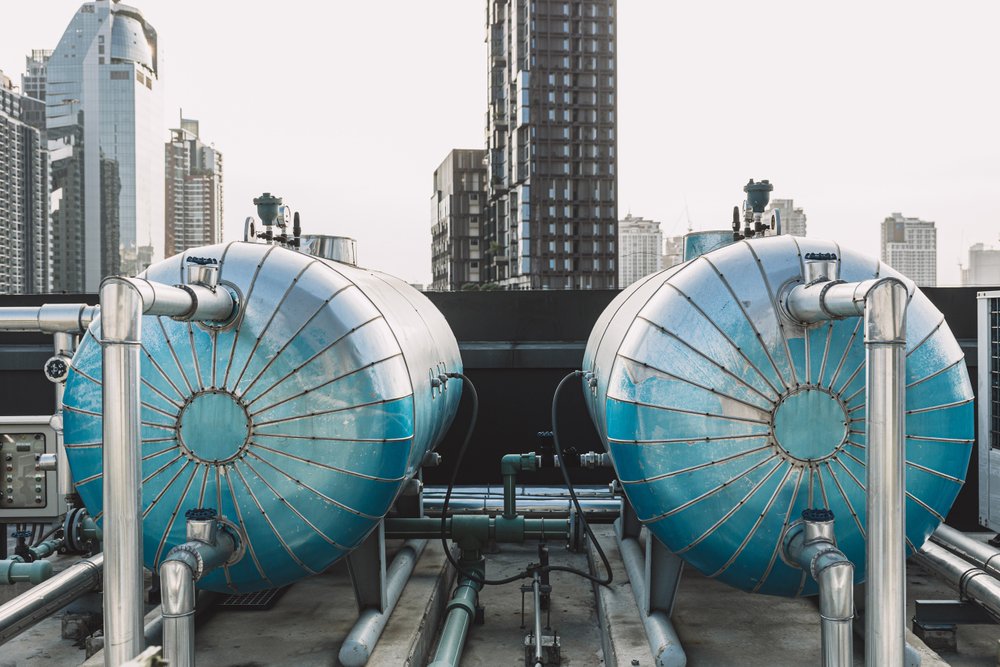
Historical operating information can help reveal these patterns. Comparing energy use, hot-water demand, occupancy, and equipment performance across different periods can provide valuable insight. Those observations can support more informed decisions about capacity and system improvements.
Boiler Problems Can Affect Other Building Systems
A boiler rarely operates independently from the rest of a property. Its output can interact with heat exchangers, domestic hot-water systems, air-handling equipment, pumps, controls, and distribution piping. A problem in one area can therefore create symptoms somewhere else.
That relationship can make troubleshooting challenging. A temperature complaint may originate with controls, circulation, heat transfer, or another component rather than the boiler itself. Looking at the connected systems can help prevent unnecessary repairs to equipment that is functioning correctly.
System-wide evaluation is especially useful when a property has experienced repeated problems. Recurring symptoms may indicate an underlying design, control, capacity, or distribution issue. Addressing the actual cause can provide a more durable solution than repeatedly treating individual symptoms.
Plan Hotel Boiler Improvements Around Property Operations
Boiler work in an occupied property requires careful coordination. Equipment projects can affect access, schedules, noise levels, hot-water availability, and other building functions. Planning the work around property operations can reduce unnecessary disruption.
Project planning should account for the equipment itself and the conditions surrounding it. Available space, connections, access routes, operating schedules, and future property changes can all influence the appropriate solution. A detailed site evaluation provides a stronger foundation than choosing equipment based only on boiler capacity.
Boiler Pros helps property teams evaluate these factors through complete boiler solutions suited to their facilities and operating requirements. Our services can address existing equipment, repairs, system planning, and new solutions while keeping the work practical and clearly documented. Get a free quote today.