Minimizing Downtime During Boiler Upgrades
Few facility projects require as much coordination as major boiler work. While boiler upgrades can improve system performance, capacity, and long-term reliability, they also introduce concerns about operational interruptions. The challenge is finding a way to modernize critical infrastructure without creating unnecessary downtime.
Fortunately, careful planning can significantly reduce disruptions. With the right strategy, facilities can complete upgrade projects while maintaining essential operations and avoiding costly interruptions.
1) Start Planning Before Equipment Becomes Critical
One of the biggest causes of project-related downtime is delayed decision-making. Facilities often begin upgrade discussions only after equipment performance has deteriorated significantly.
When a system is already struggling, there is little flexibility to address unexpected challenges. Project schedules become compressed, and available options may be limited.
Early planning provides more control over timelines. It allows project teams to evaluate alternatives, develop contingency plans, and schedule work during periods that have the least operational impact. Organizations that begin planning before equipment reaches a critical condition generally experience smoother project execution.
2) Conduct a Thorough Site Evaluation
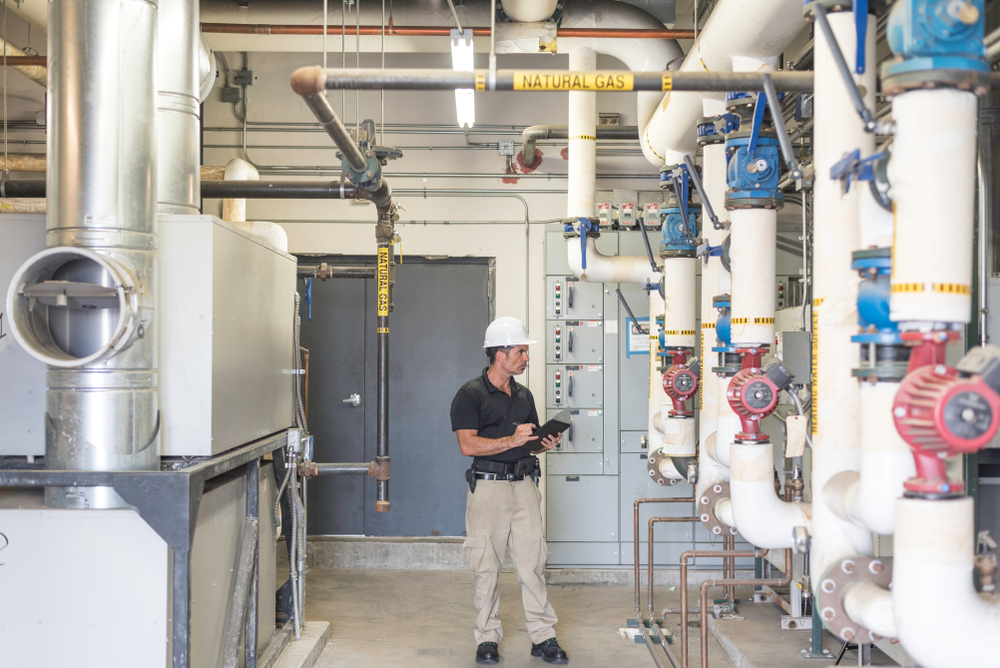
Successful upgrades depend on understanding existing conditions. Boiler rooms often contain space limitations, aging infrastructure, and equipment configurations that influence installation requirements.
A comprehensive site assessment helps identify potential obstacles before work begins. Access routes, utility connections, structural considerations, and equipment clearances should all be evaluated.
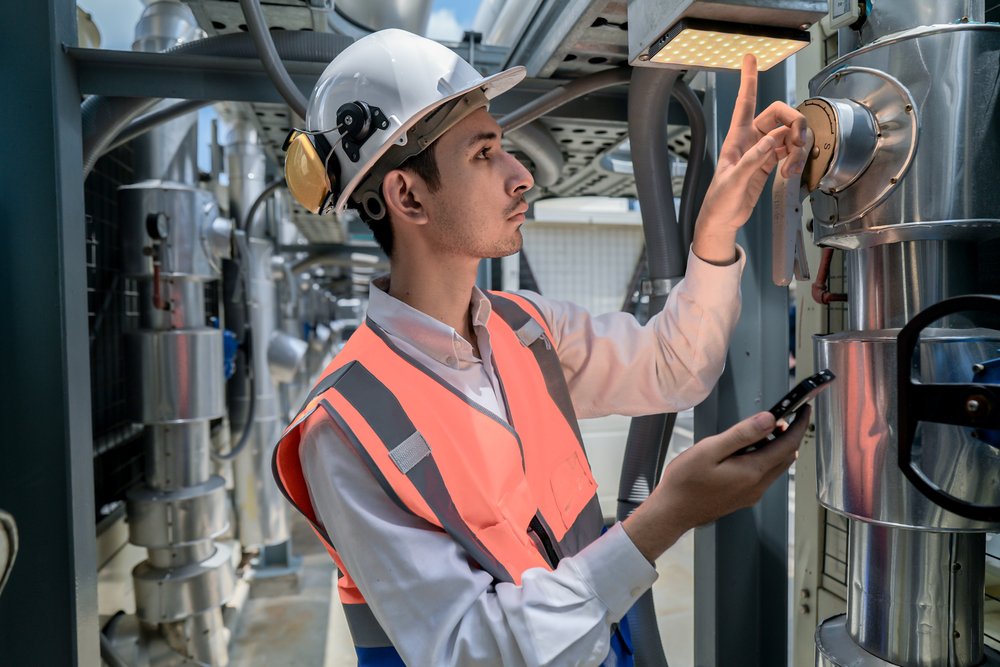
Addressing these factors during the planning phase reduces surprises during construction. It also helps prevent delays that could extend downtime beyond the original schedule. Accurate information creates a stronger foundation for project success.
3) Coordinate Equipment Delivery Carefully
Project schedules depend heavily on equipment availability. Delays in receiving boilers, controls, valves, burners, or other critical components can quickly affect installation timelines.
Successful projects involve detailed coordination between manufacturers, suppliers, contractors, and facility personnel. Equipment delivery schedules should align closely with construction activities.
Receiving materials too early can create storage challenges. Receiving them too late can leave installation crews waiting for critical components. Careful logistics planning helps keep projects moving efficiently while reducing unnecessary interruptions.
4) Use Temporary Boiler Solutions When Necessary
Some facilities cannot tolerate extended service interruptions. Hospitals, manufacturing operations, food processing facilities, and other critical environments may require uninterrupted steam or hot water production.
In these situations, temporary boiler systems can help bridge the gap during construction. Rental equipment allows operations to continue while permanent upgrades are completed.
Temporary solutions require advance planning to ensure proper sizing, utility connections, and site access. When implemented correctly, they provide operational continuity throughout the project. This approach can significantly reduce the business impact of major upgrades.
5) Develop a Detailed Project Sequence
Complex projects involve many interconnected activities. Demolition, installation, piping modifications, electrical work, controls integration, and startup procedures must all occur in the correct order.
A detailed project sequence helps coordinate these activities effectively. Clear timelines allow contractors and facility personnel to understand responsibilities and anticipate upcoming milestones.
Proper sequencing also reduces idle time between project phases. Work can proceed efficiently when every participant understands the overall plan. Strong coordination often plays a larger role in reducing downtime than the physical installation work itself.
6) Prepare Utility Infrastructure in Advance
Boiler upgrades frequently require modifications to supporting systems. Natural gas service, electrical distribution, water treatment equipment, venting systems, and control wiring may all require attention.
Completing portions of this work before major equipment installation can shorten outage durations significantly. Preparing infrastructure in advance allows installation teams to focus on final connections during the shutdown period.
This strategy reduces the amount of work that must occur while the existing boiler system is offline. The result is a more efficient transition from old equipment to new equipment.
7) Verify Startup Requirements Before Boiler Upgrades Begin
Project completion depends on more than installing equipment. Startup procedures, commissioning activities, inspections, and testing requirements must also be completed before systems can return to service.
Delays often occur when these requirements are addressed too late in the process. Missing documentation, unavailable personnel, or incomplete preparations can postpone startup schedules.
Successful projects identify commissioning requirements early. This ensures that all necessary resources are available when needed. Advanced preparation helps avoid delays during the final stages of the upgrade.
8) Communicate With Stakeholders Throughout the Project
Clear communication supports smoother project execution. Operational teams, maintenance personnel, contractors, and management should remain informed throughout the process.
Regular updates help stakeholders understand project progress and prepare for scheduled outages or operational adjustments. Communication also improves coordination when unexpected challenges arise.
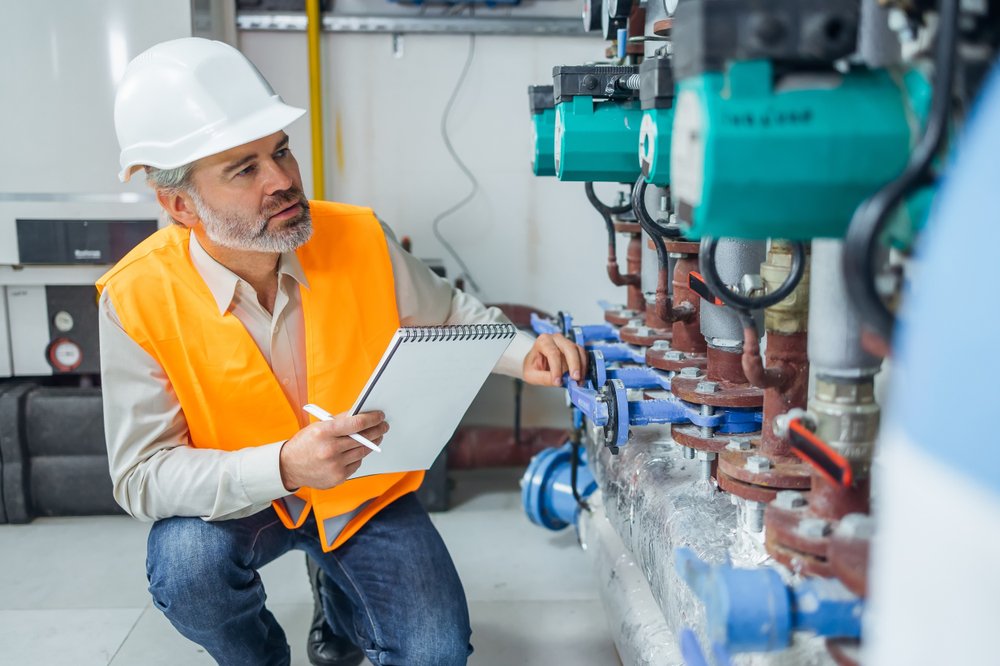
Facilities that maintain strong communication practices are often better equipped to respond quickly to changing conditions. Keeping everyone aligned helps reduce confusion and maintain project momentum.
9) Build Flexibility Into the Schedule
Even well-planned projects encounter unforeseen conditions. Existing equipment configurations may differ from drawings, material deliveries may shift, or additional work may become necessary.
Project schedules should include reasonable contingency time to accommodate these possibilities. Building flexibility into the timeline reduces pressure when adjustments are required.
A realistic schedule often performs better than an aggressive schedule that leaves no room for unexpected events. Preparation for uncertainty helps maintain control over downtime risks.
Successful Boiler Upgrades Begin With Strong Planning
Minimizing downtime during boiler upgrades requires more than efficient installation. Success depends on planning, coordination, communication, logistics, and preparation long before construction begins. Facilities that approach upgrades strategically are often able to modernize critical systems while maintaining operational continuity.
At Boiler Pros, we help facilities plan and execute boiler upgrades with a focus on minimizing disruptions and supporting long-term operational goals through our complete boiler services. Our team works closely with customers to evaluate site conditions, coordinate project activities, and develop solutions that keep operations moving.