
Manufacturing Boiler Loads and Compliance Challenges
Production rarely follows a perfectly predictable schedule. Demand can shift between processes, equipment can operate at different capacities, and production requirements can change with little notice. Those changes place different demands on a manufacturing boiler, making load management an important part of reliable boiler operation.
How Manufacturing Boiler Loads Change
Boiler demand can fluctuate throughout the day as production equipment starts, stops, or changes operating rates. One process may require steady steam, while another creates short periods of significantly higher demand. These variations can make it difficult for a boiler system to maintain stable operating conditions.
Seasonal changes can create another layer of complexity. Heating requirements may increase during colder months, while process demand remains relatively consistent. A system designed around historical demand may struggle when actual requirements grow beyond those original assumptions.
Facility expansions can create similar challenges. Adding production lines or modifying existing processes can increase steam consumption without immediately changing the boiler plant. Reviewing capacity after major process changes can help determine whether the existing system still matches current requirements.
Matching Manufacturing Boiler Capacity to Actual Loads
Boiler capacity should reflect the loads the facility actually needs to support. Oversizing can create its own operational concerns, while insufficient capacity can leave equipment struggling during periods of peak demand. Neither situation provides an ideal foundation for consistent operation.
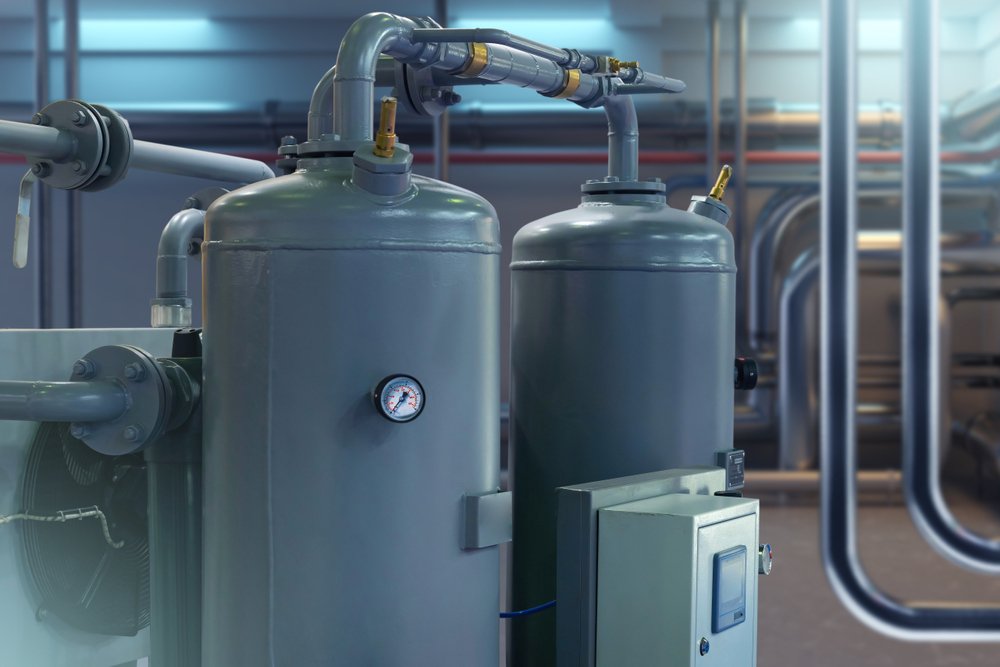
Load calculations should account for more than the nameplate capacity of individual production equipment. Steam pressure, operating schedules, simultaneous demand, distribution losses, and future changes can all influence the required capacity. Looking at the complete system provides a more useful picture than adding equipment ratings together.
Peak demand deserves particular attention. A boiler plant may appear adequately sized during average production but encounter problems when several high-demand processes operate simultaneously. Identifying those peaks can help determine whether additional capacity, storage, sequencing, or other changes are appropriate.
Manufacturing Boiler Compliance Starts With Equipment Records
Compliance can become harder when equipment information is incomplete or outdated. Boiler records should accurately identify the equipment, location, ownership information, inspection history, and other details required for proper oversight. Accurate information also helps maintenance teams coordinate service and inspection planning.
Equipment changes should receive the same attention. Replacing a major component, modifying the boiler system, or changing operating conditions can create documentation requirements. Keeping records current helps establish a clear history of what has changed and when.
Documentation should also be easy to retrieve. Important information scattered across emails, paper files, and individual maintenance records can slow down preparation when questions arise. A centralized recordkeeping process makes it easier to confirm equipment information and track important dates.
Check Manufacturing Boiler Inspection Schedules in Texas
Texas facilities can use the Texas Department of Licensing and Regulation (TDLR) website to review registered boiler information. The search tool provides fields for boiler numbers, National Board numbers, inspection organizations, expiration dates, manufacturers, locations, owners, and other identifying information. TDLR also states that leaving the search fields empty will list all active boilers.
Facilities can also check boiler inspection schedules in Texas through TDLR. Reviewing the available records can help teams confirm equipment information and identify inspection-related dates that require attention. Requirements can vary according to the equipment and circumstances, so facilities should verify the requirements applicable to their specific boilers.
Compliance Challenges Can Follow System Changes
Manufacturing processes rarely remain unchanged for years. A facility may add equipment, increase production, change operating schedules, or repurpose existing space. Each change can affect how the boiler system operates and whether its original configuration still fits the facility.
Changes to steam pressure can also affect downstream equipment. A process designed around one pressure range may perform differently when operating conditions change. Reviewing the boiler system alongside process modifications helps prevent mechanical decisions from being made without considering the larger system.
Fuel changes can create additional considerations. Burner configuration, controls, combustion requirements, and operating characteristics may need evaluation when the fuel source changes. Any significant modification should be reviewed with the appropriate technical and regulatory requirements in mind.
Boiler Sequencing Can Help Manage Variable Demand
Multiple-boiler systems can provide flexibility when demand changes throughout the production day. Rather than operating every boiler continuously, controls can coordinate available capacity around current demand. Proper sequencing can help match generation more closely with actual requirements.
Lead-lag operation can also help distribute runtime across multiple units. Rotating the lead boiler can prevent one unit from accumulating substantially more operating hours than others. The appropriate control strategy depends on the equipment, system design, and facility requirements.
Load management should not rely solely on automation, however. Operators still need to know how the system responds to changing demand. Clear operating procedures can help personnel recognize abnormal conditions and respond appropriately when system behavior changes.
Watch for Signs of an Unbalanced Boiler Load
Operational patterns can provide useful clues about whether boiler capacity matches current requirements. Frequent cycling, unstable pressure, difficulty maintaining process temperatures, and recurring low-load operation may warrant closer evaluation. These symptoms can have several causes, so they should not automatically be attributed to boiler sizing.

Fuel consumption can provide another useful data point. Comparing fuel use against production output can reveal changes in overall boiler performance. Significant changes may justify investigating combustion, heat transfer, controls, operating practices, or process demand.
Steam pressure trends can also reveal changes in demand. Sudden drops during production peaks may indicate that available capacity is being pushed too hard. Reviewing these patterns over time can provide better information than relying on occasional observations.
Plan Boiler Capacity Around Future Production
A boiler system should support current operations while leaving room for reasonable future needs. That does not necessarily mean installing the largest possible boiler. Instead, capacity planning should account for expected production changes, available space, utilities, operating requirements, and the cost of additional capacity.
Early planning also provides more options. A facility can evaluate additional boilers, replacement equipment, controls, system modifications, or other approaches before a capacity problem becomes urgent. That allows technical decisions to be made around the actual needs of the operation.
Turn Boiler Compliance Into Better Planning
Compliance works best when it becomes part of normal equipment planning rather than an isolated administrative task. Maintaining accurate records, tracking inspection information, reviewing system changes, and evaluating operating performance can give teams a clearer picture of their boiler system. Those practices can also make larger equipment decisions easier to manage.
At Boiler Pros, we help facilities evaluate boiler needs and address existing equipment concerns. Our complete boiler solutions account for the system rather than a single component. Our approach can include service, repairs, equipment planning, and solutions designed around the facility's operational requirements. Contact us today to get a free quote.