Information on Boiler Stacks and Chimneys
Boiler stacks and chimneys play a direct role in how safely and efficiently a boiler operates. While they are often treated as background infrastructure, their condition, design, and maintenance influence combustion performance, emissions, and inspection outcomes across Texas facilities.
This article explores what boiler stacks and chimneys do, how they differ, why they matter during inspections, and what facility teams should monitor to stay compliant and avoid operational risk.
The Purpose of Boiler Stacks and Chimneys
Boiler stacks and chimneys are responsible for directing exhaust gases away from the boiler and out of the facility. They create the draft needed for proper combustion and help control pressure and temperature inside the boiler system.
When stacks or chimneys do not perform as designed, boilers can experience poor combustion, efficiency loss, and safety concerns. These problems often surface during inspections or when operational performance begins to decline.
Boiler Stacks vs Chimneys: How They Differ
Although the terms are sometimes used interchangeably, boiler stacks and chimneys serve slightly different roles depending on system design and application. Understanding the difference helps facility teams communicate clearly with inspectors and service providers.
Boiler stacks are typically engineered exhaust systems designed specifically for industrial or commercial boilers. Chimneys are often masonry or prefabricated structures that vent combustion gases and may serve multiple appliances.
Both must be sized, installed, and maintained correctly. Improper assumptions about their function or condition often lead to inspection findings or performance issues.
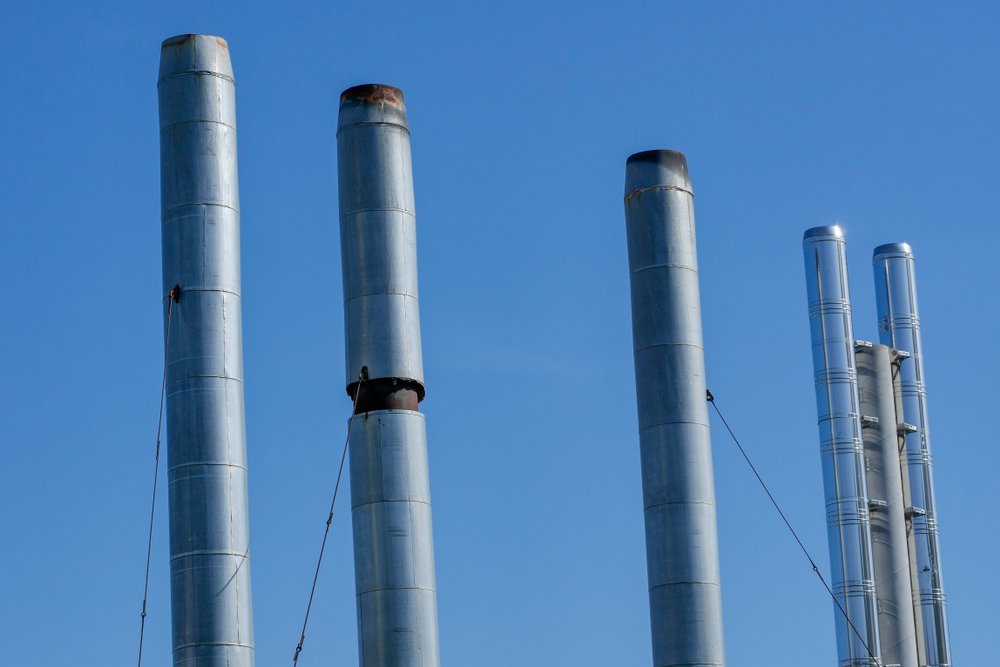
Why Stack and Chimney Condition Matters
Inspectors evaluate stacks and chimneys as part of overall boiler safety and compliance. Cracks, corrosion, improper clearances, or missing components can raise immediate concerns.
Poor stack condition can also affect combustion air balance, leading to incomplete combustion or unstable burner operation. Over time, these issues increase wear on the boiler and related components.
Common Problems Found During Inspections
Stack- and chimney-related findings are common during boiler inspections, especially in older facilities or systems that have been modified over time.
Common issues include:
Corrosion or thinning of stack materials
Cracked or deteriorated masonry chimneys
Improper support or bracing
Missing rain caps or spark arrestors
Improper clearances to combustible materials
Evidence of flue gas leakage
Each of these conditions affects safety and compliance. Inspectors may require repairs or further evaluation before approving continued operation.
These issues often develop gradually and go unnoticed until inspection day. Regular visual checks and maintenance help identify problems early and reduce inspection delays.
How Stacks Affect Boiler Performance
Stacks and chimneys influence draft, which directly impacts combustion stability. A poor draft can cause flame instability, delayed ignition, or inefficient fuel use.
When draft conditions fluctuate, burners and safety controls may cycle more frequently. This behavior increases wear on components and can trigger nuisance shutdowns that disrupt operations.
Maintaining proper stack condition supports consistent combustion and predictable boiler performance. It also helps systems operate within the designed temperature and pressure ranges.
Inspection Considerations in Texas
In Texas, boiler inspections include a review of exhaust systems as part of the overall evaluation. Inspectors verify that stacks and chimneys are structurally sound, properly installed, and suitable for the boiler they serve.
These inspections are overseen by the Texas Department of Licensing and Regulation (TDLR), which enforces statewide safety and compliance standards. Findings related to stacks or chimneys are documented the same way as other boiler deficiencies.
Facilities can confirm inspection schedules and registration details using the Texas boiler database. Reviewing stack condition ahead of scheduled inspections helps avoid corrective actions or follow-up visits.
Modifications and System Changes
Stack and chimney issues often appear after system changes. Boiler replacements, fuel changes, or capacity increases can alter exhaust requirements.
Problems arise when existing stacks are reused without evaluation. What worked for an older boiler may not meet the requirements of a newer system, even if the boiler itself is operating correctly.
Evaluating stack compatibility during system changes reduces risk and supports long-term compliance. It also prevents inspectors from identifying mismatches after installation.
Maintenance Practices That Support Compliance
Stacks and chimneys benefit from routine inspection and maintenance, just like boilers. Waiting for visible failure increases safety and compliance risk.
Effective maintenance practices include:
Visual inspections for corrosion or cracking
Checking supports, bracing, and penetrations
Verifying caps and termination components are intact
Monitoring for signs of flue gas leakage
Documenting these checks supports inspection readiness. Inspectors look favorably on facilities that monitor exhaust systems proactively rather than reactively.
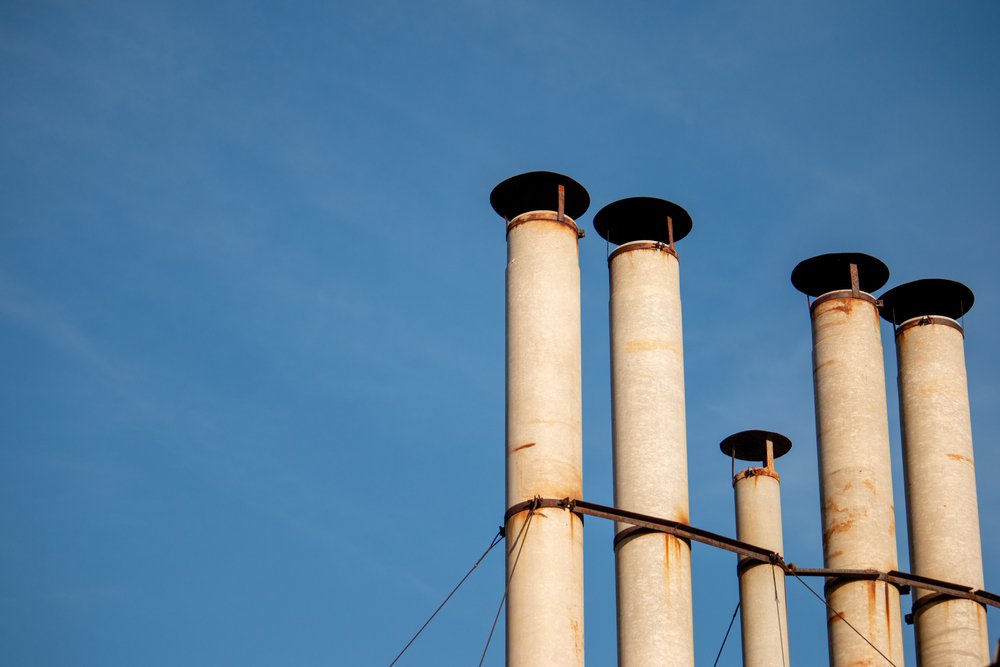
How Stack Issues Impact Inspection Outcomes
Stack and chimney deficiencies can delay inspection approval even when the boiler itself is in good condition. Inspectors cannot ignore exhaust system safety concerns because they affect personnel safety and building integrity.
Facilities that address stack issues early experience fewer inspection delays and fewer follow-up requirements. This preparation keeps inspections focused and predictable.
Planning for Repairs and Upgrades
When stack repairs or upgrades are needed, planning matters. Access challenges, roof penetrations, and operating schedules all affect timelines and cost.
Early planning allows facilities to:
Coordinate work with maintenance shutdowns
Address safety concerns without rushing repairs
Maintain documentation for inspection review
This approach reduces operational disruption and improves compliance outcomes.
Supporting Safe and Compliant Boiler Systems
Boiler stacks and chimneys are integral to system safety, performance, and inspection success. Treating them as part of the boiler system rather than separate infrastructure reduces risk and improves reliability.
At Boiler Pros, we work with facility teams to evaluate boiler stacks and chimneys, correct deficiencies, and plan solutions that align with Texas inspection requirements. We support new and existing systems, including equipment we did not originally install, and help facilities maintain safe exhaust paths.
Clear planning and informed maintenance protect both operations and compliance. Need assistance in keeping your boiler stacks aligned with inspection expectations and long-term facility needs? Contact us today.