
How Early Boiler Repairs Prevent Inspection Delays
Inspection delays rarely start on inspection day. In most Texas facilities, they begin weeks or months earlier when small boiler issues are left unresolved. Early boiler repairs give maintenance teams control over timelines, costs, and inspection outcomes, rather than reacting under pressure when an inspector is already on-site.
We see this pattern across packaging plants, hospitals, manufacturing sites, hotels, and transportation facilities. Boilers that receive timely attention tend to move through inspections with fewer questions and faster approvals. This article explains why early boiler repairs matter, how they reduce inspection delays, and how Texas facilities can use repair timing as a compliance advantage.
Why Inspection Delays Happen in the First Place
Inspection delays usually trace back to conditions that developed long before the inspection was scheduled. Leaks, control issues, and safety device concerns rarely appear overnight, even though they often feel sudden when flagged by an inspector.
Delays occur when inspectors identify issues that require correction before approval. If parts, labor, or documentation are not ready, inspections stall. Early repairs address these problems while schedules remain flexible and operational impact stays manageable.
How Inspectors View Repair Timing
Inspectors evaluate boilers based on current condition and documented history. When repairs are performed early and documented clearly, inspectors see evidence of consistent maintenance rather than last-minute corrections.
Late repairs raise additional questions. Inspectors may look more closely at related components or request additional verification when issues appear rushed. Early boiler repairs help keep inspections focused and predictable.
Common Issues That Cause Inspection Delays
Certain repair needs consistently lead to inspection delays when they are postponed. These issues are well known and often preventable with earlier intervention.
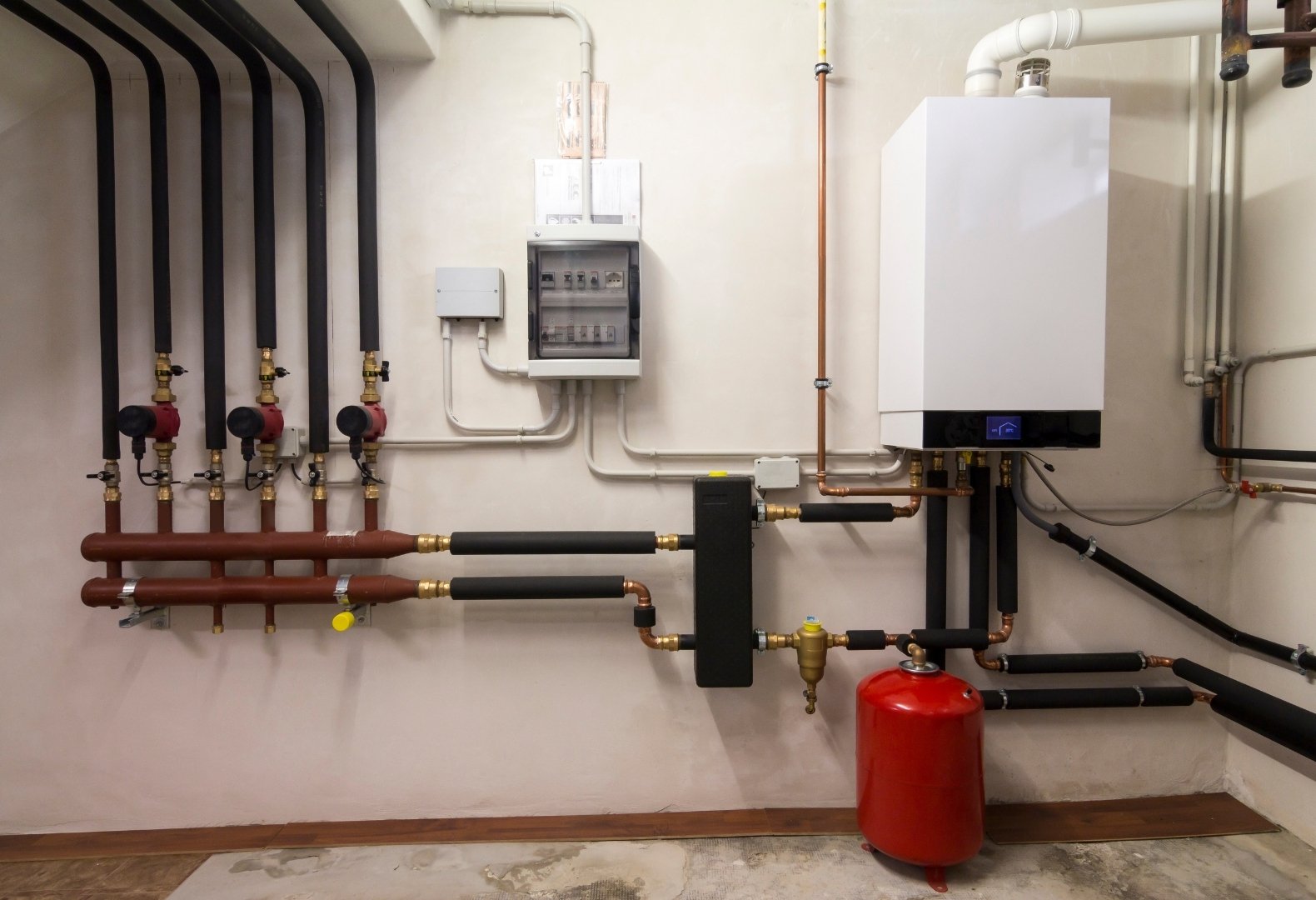
Common delay-causing issues include:
Pressure relief valves that are leaking or improperly sized
Low-water cutoffs that fail functional testing
Corrosion on piping, fittings, or pressure components
Burner or control faults that affect safe operation
Incomplete or undocumented prior repairs
Each of these issues takes longer to address once inspection timelines are involved. Early identification allows repairs to be planned, scheduled, and verified without the pressure of an inspection deadline.
Addressing these items early also reduces the chance of related findings. Inspectors often expand their review when core safety components show signs of neglect, which increases the likelihood of additional delays.
The Operational Advantage of Early Repairs
Early boiler repairs provide operational benefits beyond inspection readiness. Repairs completed on a planned schedule are easier to coordinate with production, staffing, and budget cycles.
Facilities that plan repairs early often experience:
Shorter or avoided shutdowns
Better parts availability
More control over labor scheduling
Reduced emergency repair costs
These advantages extend into the inspection process. Inspectors encounter systems that are already operating correctly, which keeps inspections efficient and limits follow-up requirements.
Repair Documentation and Inspection Readiness
Repair timing and repair documentation are closely connected. Early repairs allow time to document work properly, verify compliance, and retain records in an organized manner.
Inspectors review repair documentation to confirm that work was completed correctly and meets applicable requirements. When documentation is incomplete or rushed, inspections slow down. Early boiler repairs support complete records that inspectors can review quickly and confidently.
How Early Repairs Reduce Reinspection Risk
Reinspections often occur when initial inspections identify unresolved issues or incomplete corrections. Early repairs reduce this risk by resolving problems before inspectors arrive.
When repairs are completed ahead of time:
Safety devices can be tested repeatedly
Control adjustments can be verified under normal operation
Repairs can be inspected internally before official review
This preparation reduces the likelihood of additional inspection visits. Fewer reinspections mean less downtime, lower costs, and more predictable operations.
Texas Inspection Expectations and Repair Timing
Boiler inspections in Texas follow established standards enforced by the Texas Department of Licensing and Regulation (TDLR). Inspectors are required to verify safety, condition, and compliance at the time of inspection, regardless of operational demands.
Facilities can confirm inspection schedules and registration details through the Texas boiler database. Early repairs aligned with these schedules reduce last-minute corrections that often delay approval.
Planning Repairs Around Inspection Cycles
Facilities that align boiler repairs with inspection cycles gain consistency. Rather than reacting to inspection findings, they use inspection schedules as planning tools.
Effective planning includes:
Reviewing prior inspection reports early
Identifying recurring repair needs
Scheduling repairs well ahead of inspection dates
Verifying repairs under operating conditions
This approach shifts inspections from reactive events to routine confirmations. Over time, facilities experience fewer delays and smoother approvals.
Early Repairs Protect Facility Credibility
Inspectors develop an understanding of facility maintenance practices over time. Consistently addressing repairs early builds credibility and trust during inspections.
Facilities known for proactive repairs often experience:
Faster inspections
Fewer expanded reviews
Clearer communication with inspectors
While standards remain the same, preparation influences how efficiently inspections proceed. Facilities that consistently address repairs early often see inspections completed faster with fewer follow-up questions or delays.
Preventing Inspection Delays Through Proactive Repairs
Inspection delays disrupt operations, strain teams, and create unnecessary costs. Early boiler repairs prevent many of these issues by resolving problems before timelines become restrictive.
Facilities that prioritize early repairs benefit from safer operation, stronger compliance records, and predictable inspection outcomes. This consistency supports long-term reliability across Texas operations.
Staying Ahead of Inspections With Confidence
Early boiler repairs create breathing room in the inspection process. They allow facilities to plan, document, and verify work without urgency, which keeps inspections focused and efficient.
At Boiler Pros, we work directly with facility teams to identify repair needs early, correct issues before inspections, and plan maintenance around Texas requirements. We support boilers we installed and systems we did not, helping facilities avoid delays and maintain operational continuity.
Inspection success starts long before inspection day. Keep your boiler repairs on schedule and your inspections moving forward without disruption. Contact us today.