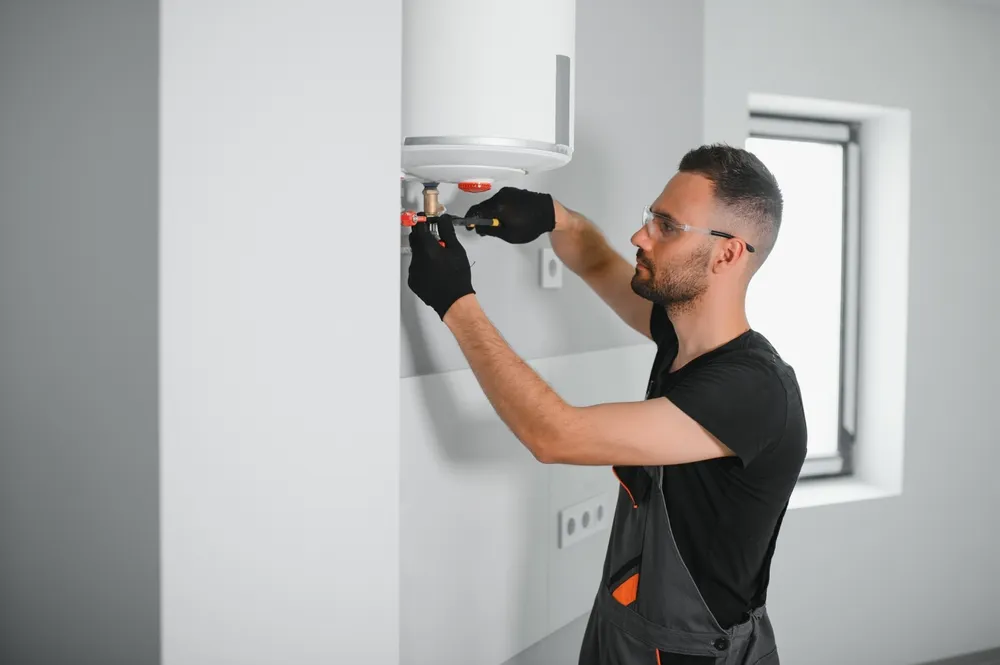
Why Factory-Trained Boiler Technicians Matter
Boiler performance depends on equipment condition, operating practices, and the quality of service work. Skilled boiler technicians can identify developing problems, follow manufacturer guidance, and help maintain reliable operation. Their training becomes especially valuable when systems require complex repairs, burner adjustments, control upgrades, or inspection preparation.
Factory training provides focused knowledge of specific equipment, components, and service procedures. However, training should complement hands-on experience, strong troubleshooting skills, and a clear understanding of facility requirements. Together, these qualities help protect equipment, manage operating risks, and support better maintenance decisions.
1) Factory-Trained Boiler Technicians Understand Equipment Specifications
Commercial and industrial boilers contain interconnected components that must work together correctly. Burners, controls, safety devices, valves, and other components each serve specific functions. Technicians need to understand these relationships before diagnosing problems or recommending changes.
Factory training helps technicians become familiar with equipment designs and manufacturer-recommended procedures. They can use that knowledge to evaluate performance, recognize abnormal conditions, and select appropriate service methods. This familiarity also helps them identify when a problem requires further testing or specialized support.
Still, training does not replace practical experience. Effective technicians combine equipment knowledge with careful inspection and systematic troubleshooting. They also explain their findings clearly before recommending repairs.
2) Boiler Technicians Can Improve Troubleshooting Accuracy
Recurring boiler problems can have several possible causes. A burner issue, for example, may involve combustion settings, fuel delivery, controls, or another system component. Replacing parts without identifying the underlying cause can waste time and money.
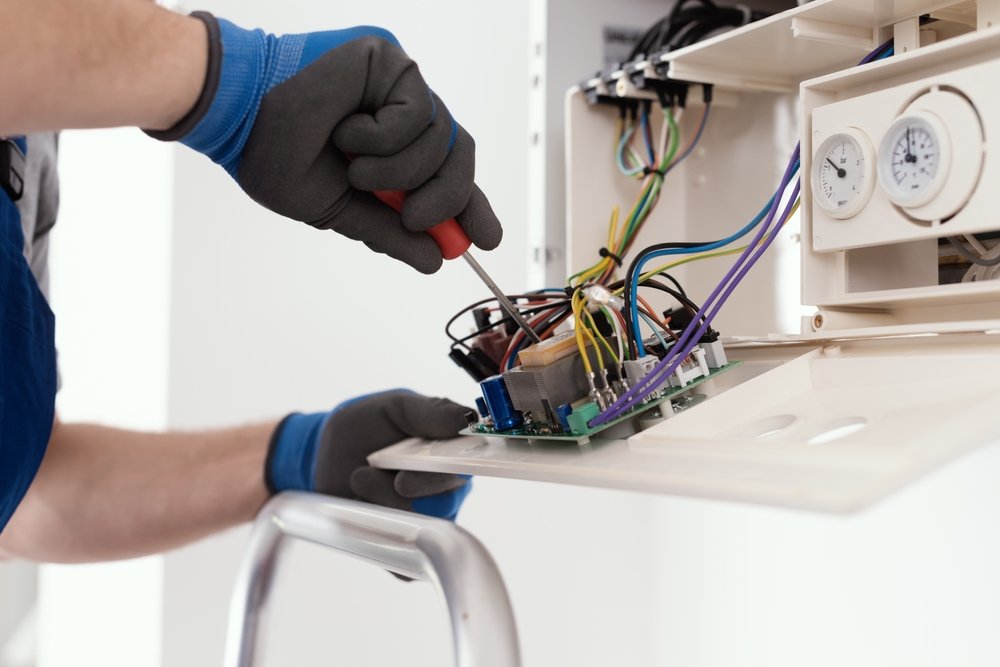
Factory-trained technicians understand equipment-specific diagnostic procedures. They can use those procedures to narrow possible causes and determine the right tests. This disciplined process helps avoid unnecessary component replacements and repeated service calls.
Accurate troubleshooting also supports better maintenance planning. Technicians can distinguish immediate repair needs from developing issues that require monitoring. As a result, facility teams gain clearer information when prioritizing work.
3) Factory Training Supports Boiler Safety
Boilers operate under pressure and may involve high temperatures, fuel systems, and combustion equipment. Incorrect adjustments or overlooked defects can create serious operational risks. Technicians must recognize hazards and follow appropriate service procedures.
Factory training familiarizes technicians with equipment-specific safety features and recommended practices. Their work may involve checking burner safeguards, operating controls, pressure-related components, and shutdown functions. The exact scope depends on the equipment and service requirements.
Qualified technicians should also recognize when a system needs further evaluation. They should document deficiencies and explain which corrective actions require attention. Clear communication helps teams address safety concerns before they develop into larger problems.
4) Boiler Technicians Help Protect Efficiency and Reliability
Combustion performance, control settings, and component condition influence boiler operation. Poor adjustments or neglected components can contribute to inefficient fuel use and unstable performance. Regular service helps identify conditions that deserve attention.
Factory-trained technicians understand how specific equipment should operate under defined conditions. They can assess burner performance, review relevant controls, and identify issues that affect system stability. Their findings can help guide appropriate adjustments and repairs.
However, no training credential guarantees a particular efficiency improvement. Actual results depend on equipment condition, operating loads, system design, and maintenance practices. A reliable technician explains these factors rather than promising unsupported savings.
5) Factory-Trained Boiler Technicians Support Preventive Maintenance
Preventive maintenance helps identify deterioration before it causes unexpected shutdowns. A structured service plan should address the components and operating conditions that matter most to each system.
Factory-trained technicians can apply manufacturer guidance when inspecting and servicing equipment. Depending on the system, their work may include burner service, control checks, valve inspections, and reviews of related steam components. They can also document findings that require follow-up.
Maintenance records help teams track recurring faults and plan repairs around operating schedules. They also provide useful context when preparing for inspections or evaluating replacement needs.
In Texas, boiler inspection intervals depend on the equipment classification. The Texas Department of Licensing and Regulation's boiler database provides equipment records and inspection information. Maintenance supports readiness, but it does not replace required inspections.
6) Boiler Technicians Should Communicate Clearly
Technical skill matters, but customers also need clear explanations and dependable documentation. A service provider should explain the problem, outline practical options, and identify the work each recommendation requires.
Before approving a repair, request a written scope that describes the proposed work and expected costs. The technician or contractor should explain relevant limitations and disclose potential complications. Get approval for any changes before additional work begins.

This approach helps prevent confusion about pricing, responsibilities, and project expectations. It also gives facility teams the information they need to make timely decisions.
7) Factory-Trained Boiler Technicians Can Help Reduce Downtime
Unexpected boiler failures can interrupt heating, production, sanitation, and other essential processes. Timely diagnosis helps teams determine the next steps and coordinate repairs. Preparation also matters when a system requires extensive work.
Experienced technicians can assess whether a repair will restore reliable operation or whether a larger solution deserves consideration. When equipment must remain offline, temporary boiler equipment may help maintain essential service. The right approach depends on capacity, site conditions, connections, and installation requirements.
A contractor should discuss these practical details early. Clear planning helps teams evaluate options and reduce avoidable disruption without compromising safety.
Choose Boiler Technicians Who Combine Training and Experience
Factory training can strengthen service quality when technicians pair equipment knowledge with practical experience, careful diagnostics, and transparent communication. Facilities benefit from contractors who assess actual conditions and explain recommendations before work begins.
At Boiler Pros, we bring more than 30 years of boiler and burner experience to service, repairs, maintenance, and system upgrades with our complete boiler solutions. Our factory-trained technicians assess equipment and operating requirements before recommending a solution. We provide written proposals and obtain approval before making changes.
We also help evaluate rental boiler options when equipment failures threaten operations. Our goal is to deliver practical, dependable service that fits each facility's needs. Get a free quote today.