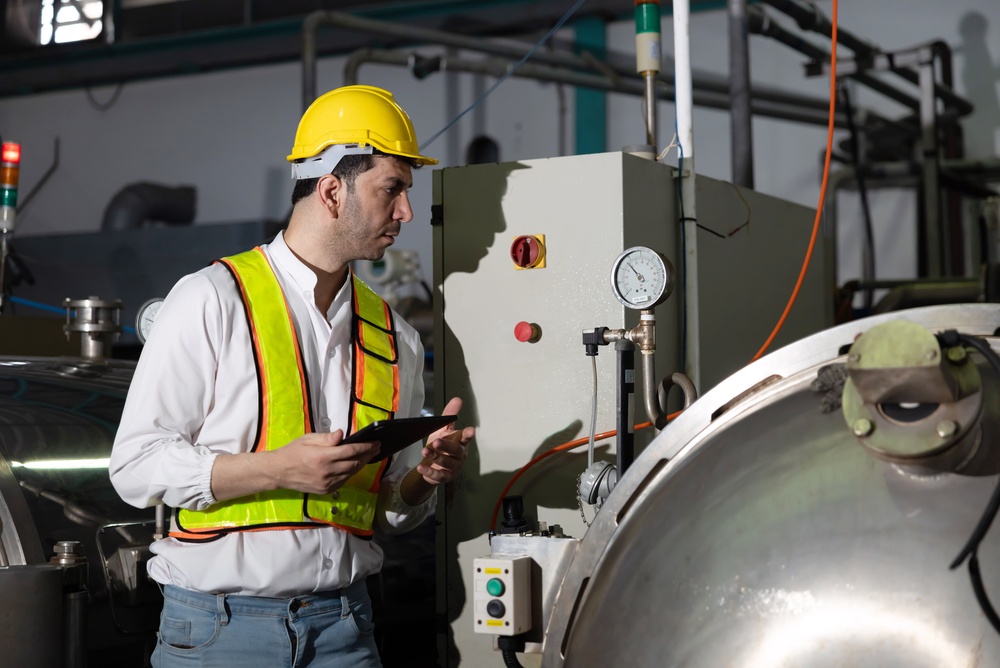
Factory-Trained Boiler Technicians and Inspection Outcomes
Boilers require precision, consistency, and attention to detail to operate safely in demanding environments. Facilities across healthcare, manufacturing, food processing, and hospitality depend on skilled professionals to maintain these systems. The performance of boiler technicians plays a direct role in how systems operate day to day and how they perform during inspections.
When we talk about inspection outcomes, the experience and training of boiler technicians often make the difference between a smooth approval process and unexpected findings. Technicians with factory-level training bring a deeper familiarity with equipment design, manufacturer standards, and system behavior under real operating conditions.
For facility managers, choosing the right technical support helps reduce risk, improve reliability, and support long-term compliance.
Technical Training and Equipment Familiarity
Factory-trained technicians receive instruction directly aligned with the equipment they service. This training typically includes detailed guidance on system design, component function, and manufacturer-recommended maintenance procedures.
This level of familiarity allows technicians to recognize when a system is operating within expected parameters and when something appears off. Subtle changes in pressure behavior, combustion characteristics, or control responses can signal developing issues.
Technicians without this level of training may rely more heavily on general practices rather than equipment-specific insight. While general knowledge has value, it may not always capture the nuances of a particular system.
Facilities that work with trained technicians gain the benefit of more precise evaluations and targeted maintenance strategies.
Accurate Diagnostics and Problem Identification
Inspection outcomes often hinge on how well underlying issues are identified and resolved before the inspection takes place. Factory-trained technicians tend to approach diagnostics with a structured process grounded in manufacturer guidelines.
When a system shows signs of inefficiency or irregular operation, trained technicians can trace the issue to its source more effectively. This might involve evaluating combustion settings, reviewing control system data, or inspecting internal components for early signs of wear.
Accurate diagnostics help prevent temporary fixes that do not fully address the problem. Instead, facilities can implement solutions that improve system performance and reduce the likelihood of inspection findings. This level of precision supports both operational stability and regulatory compliance.
Proper Calibration and System Adjustments
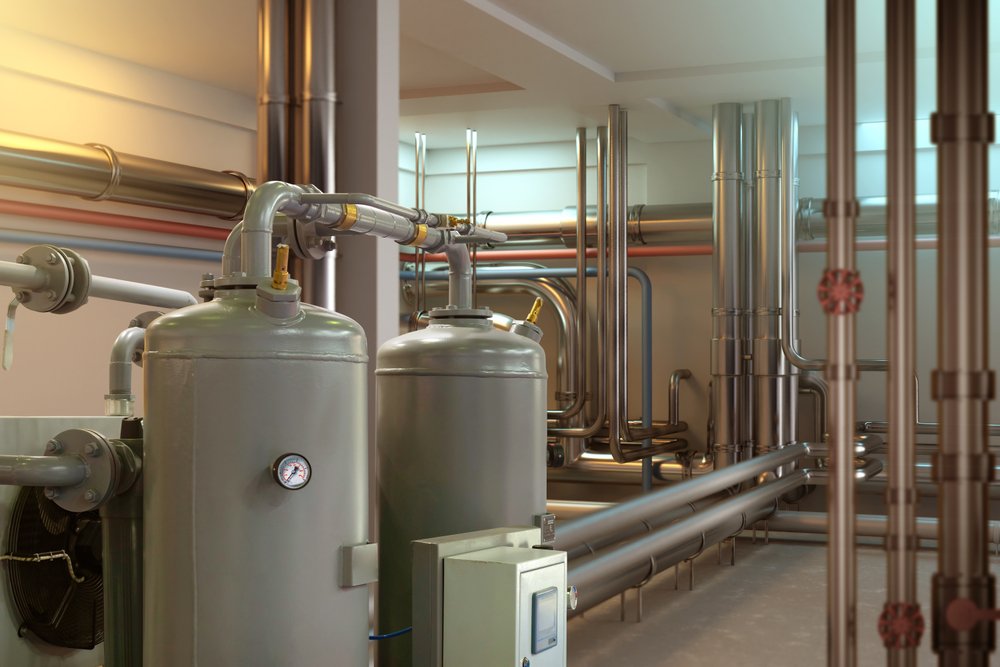
Boiler systems rely on precise calibration to maintain safe and efficient operation. Pressure controls, temperature sensors, fuel delivery systems, and safety devices all require accurate settings to function correctly.
Factory-trained technicians understand the calibration requirements specific to each system. They can adjust controls to meet manufacturer specifications while also aligning with operational needs.
Improper calibration can lead to a range of issues, including inefficient combustion, inaccurate readings, and inconsistent pressure control. These conditions often attract attention during inspections.
When systems are calibrated correctly, inspectors are more likely to find equipment operating within acceptable limits. This contributes to a smoother inspection process and fewer corrective actions.
Documentation That Supports Compliance
Inspection outcomes depend not only on equipment condition but also on the quality of documentation. Maintenance records, service reports, and test results provide evidence that the system has been managed responsibly.
Factory-trained technicians often follow structured documentation practices that align with industry standards. Service reports may include detailed notes on system condition, performed tasks, and recommended follow-up actions.
This level of documentation helps facility managers demonstrate compliance during inspections. It also provides a clear record of maintenance history, which can be valuable for long-term planning.
Facilities that maintain organized and thorough records often experience fewer complications during inspections.
Consistency Across Maintenance Activities
Consistency plays a key role in achieving reliable inspection outcomes. Boilers that receive regular, standardized maintenance are less likely to develop unexpected issues.
Factory-trained technicians tend to follow consistent procedures based on manufacturer recommendations. This includes scheduled inspections, routine testing of safety devices, and systematic evaluation of system performance.
When maintenance practices vary from one service visit to another, gaps can develop. These gaps may lead to missed issues or incomplete repairs. A consistent approach helps ensure that all critical components receive proper attention over time.
Alignment with Inspection Expectations
Inspectors evaluate boiler systems based on established safety standards and regulatory requirements. Factory-trained technicians often have experience working within these frameworks, which allows them to prepare systems accordingly.
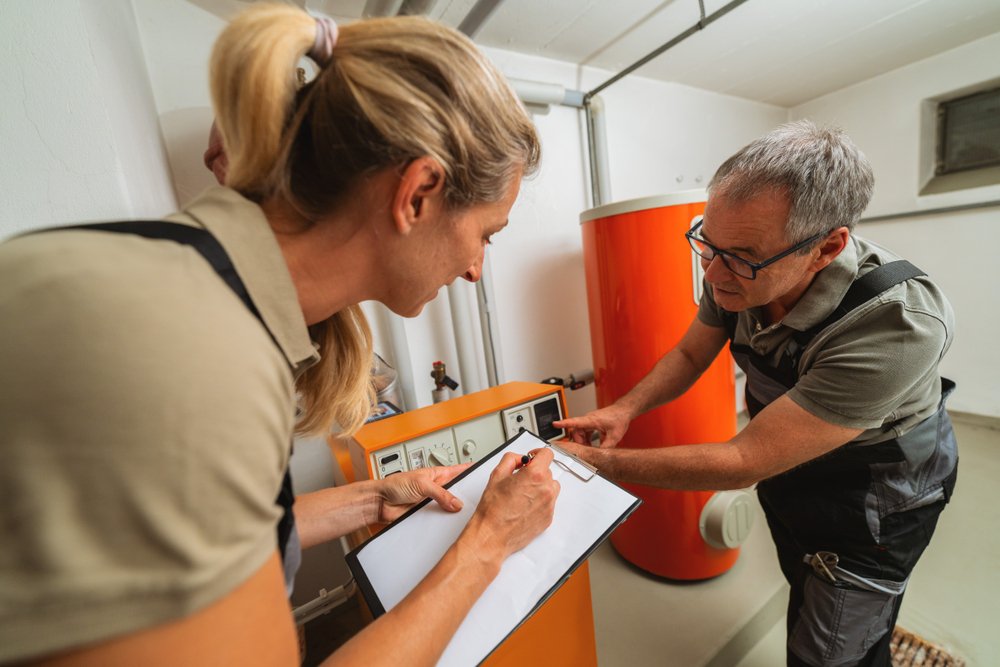
This preparation may involve verifying that safety devices function correctly, confirming that documentation is complete, and addressing visible signs of wear or damage.
When technicians understand what inspectors look for, they can help facilities address potential concerns before inspection day. This reduces the likelihood of delays or required corrections.
Supporting Complex and Legacy Systems
Many facilities operate a mix of newer equipment and older systems that have been in service for years. Each type of system presents unique challenges.
Factory-trained technicians bring experience that allows them to work across different equipment generations. They can evaluate older systems for compliance while also identifying opportunities to improve performance.
In some cases, upgrades or adjustments may be necessary to bring legacy systems in line with current expectations. Technicians can help prioritize these changes based on operational needs and budget considerations.
Facilities benefit from having a clear plan for managing both existing equipment and future improvements.
Skilled Boiler Technicians Support Strong Inspection Results
Inspection outcomes are influenced by many factors, but the expertise of the technicians maintaining the system remains one of the most important. Factory-trained technicians bring detailed knowledge, consistent practices, and accurate diagnostics that support safe and reliable boiler operation.
At Boiler Pros, we believe that strong technical support starts with direct collaboration. We work alongside facility teams to evaluate systems, identify opportunities for improvement, and develop practical solutions.
Facilities that invest in qualified technical support often experience smoother inspections, fewer corrective actions, and improved system performance. These benefits extend beyond compliance and contribute to long-term operational stability.
If your facility is preparing for an inspection or evaluating its maintenance approach, we are ready to assist. Our team works with you to assess your system, identify solutions, and support reliable performance. Contact us today to get a free quote.