
Energy and Compliance Benefits of Modern Controls
Boiler systems have changed significantly over the past several decades. While pressure vessels and piping remain essential components, modern controls now play a major role in determining how efficiently and safely a system operates.
Many facilities focus on mechanical equipment when evaluating performance improvements. However, control technology often presents some of the greatest opportunities for reducing energy consumption, improving documentation, and supporting compliance efforts. Upgrading control systems can deliver benefits that extend well beyond daily operations.
Modern Controls Help Reduce Unnecessary Energy Consumption
Energy losses often occur because equipment operates longer than necessary or outside optimal conditions. Older control systems may struggle to respond effectively to changing operational demands.
Modern controls continuously evaluate system conditions and make adjustments based on real-time information. This allows boilers to operate closer to desired performance targets while avoiding excessive fuel consumption.
More accurate control strategies help minimize unnecessary firing cycles and inefficient operating patterns. Over time, these improvements can contribute to meaningful reductions in energy costs.
Facilities seeking greater efficiency often find that control modernization creates measurable improvements without requiring complete boiler replacement.
Improved Load Management Supports Better Performance
Demand rarely remains constant throughout the day. Steam and hot water requirements fluctuate as processes, occupancy levels, and operational schedules change.
Older control systems may have limited ability to adapt to varying loads efficiently. As a result, equipment can operate under conditions that consume more energy than necessary.
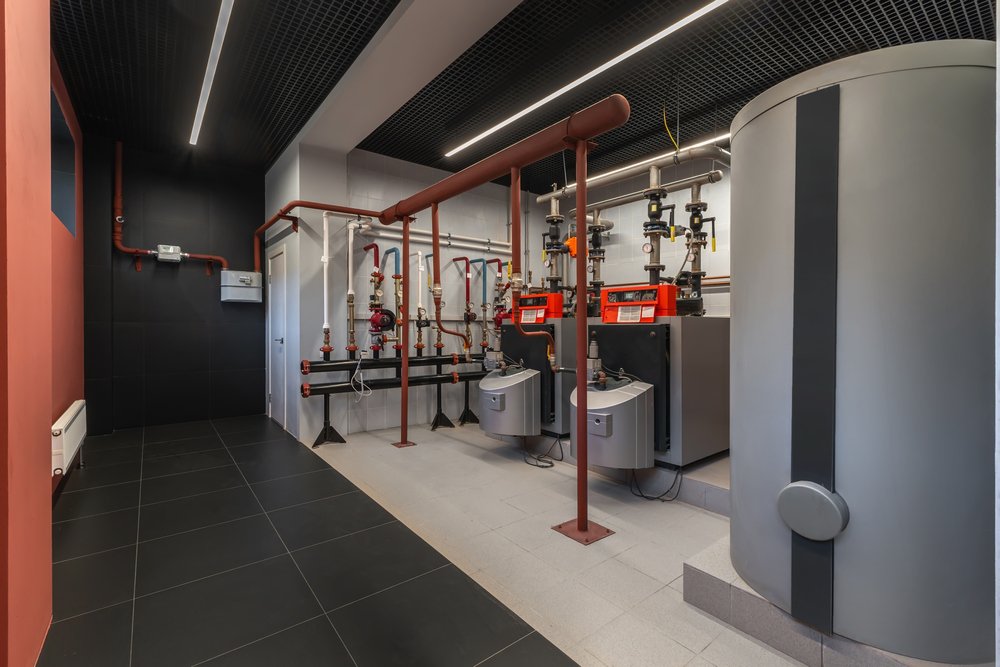
Modern controls respond dynamically to changing demand levels. By adjusting operation based on actual system requirements, they help maintain more stable performance while reducing wasted energy. This improved responsiveness supports both efficiency goals and operational consistency.
Better Trend Analysis Identifies Hidden Inefficiencies
Many energy-related problems develop gradually. Small changes in performance often go unnoticed until operating costs increase significantly.
Modern controls provide trend data that allows operators to monitor system behavior over time. Historical information can reveal patterns that indicate declining efficiency, equipment deterioration, or process changes affecting performance.
Access to detailed operational data creates opportunities for targeted improvements. Instead of relying on assumptions, facilities can make decisions based on measurable performance information.
This level of visibility supports a more informed approach to energy management.
Compliance Efforts Benefit From Stronger Documentation
Documentation plays an important role in boiler management. Inspection programs, maintenance activities, and operational reviews often require accurate records.
Many older systems provide limited reporting capabilities. Information may be recorded manually or stored across multiple locations, making it difficult to retrieve when needed.
Modern controls simplify recordkeeping by automatically collecting and storing operational data. Historical records, alarm logs, and performance trends can often be accessed through a centralized platform.
Improved documentation supports compliance efforts while reducing administrative burdens on facility personnel.
Modern Controls Improve Operational Accountability
Clear operational records create greater accountability throughout the organization. When system data is readily available, it becomes easier to verify that procedures are being followed consistently.
Modern control systems capture information regarding operating conditions, alarms, and system responses. This information helps create a more complete picture of boiler performance.
Inspectors and auditors often appreciate facilities that maintain organized operational records. Accurate data can help demonstrate that systems are being monitored appropriately and maintained according to established practices. Strong accountability supports both compliance objectives and long-term asset management goals.
Alarm Prioritization Helps Address Problems Faster
Not every alarm requires the same level of attention. Older systems may provide limited distinction between routine notifications and critical conditions.
Modern controls often include alarm prioritization features that help operators focus on the most important issues first. Clear alarm descriptions and event tracking improve response efficiency while reducing confusion.
This capability supports safer operation and more effective troubleshooting. It also helps facilities maintain better awareness of system health. Faster identification of developing issues can prevent minor concerns from becoming larger operational problems.
Regulatory Expectations Continue to Evolve
Industry standards and regulatory requirements change over time. Facilities must adapt to these changes while maintaining safe and reliable operation.
Control systems that were considered advanced years ago may no longer align with current expectations. As inspection procedures become more sophisticated, access to accurate data and operational records becomes increasingly important.
Modern controls provide tools that help support evolving compliance requirements. Enhanced monitoring, reporting, and documentation capabilities make it easier to demonstrate proper system management. Investing in updated technology can help facilities remain prepared for future requirements.
Enhanced Visibility Across Boiler Operations
Visibility remains one of the most valuable benefits of modern control technology. Access to real-time information allows personnel to make more informed decisions regarding operation and maintenance.
Operators can review system conditions, analyze performance trends, and monitor key parameters from centralized interfaces. This level of awareness supports more proactive management strategies.
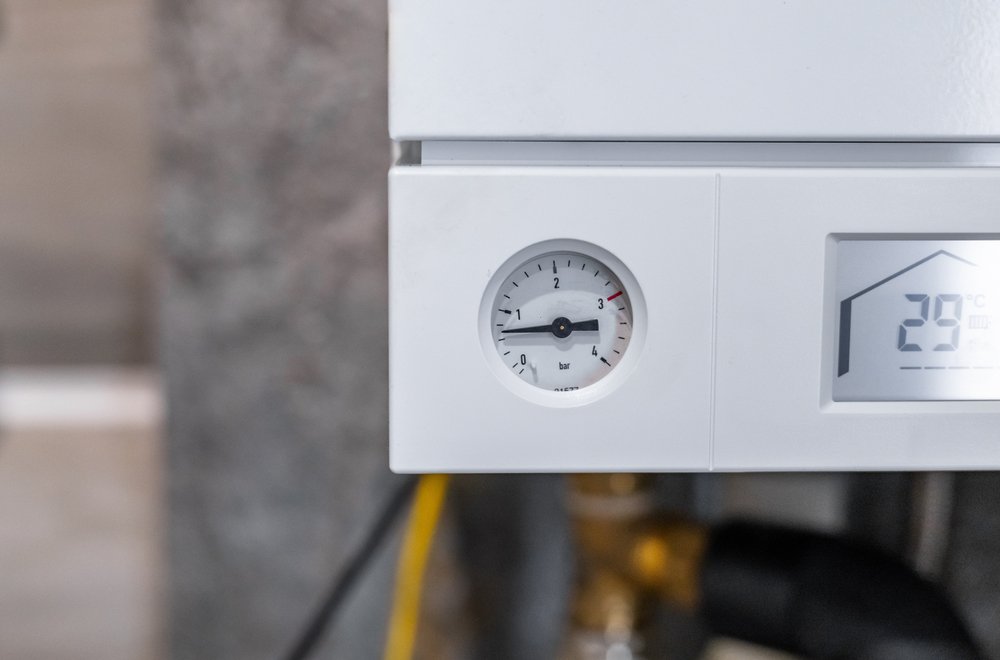
Improved visibility also helps identify opportunities for optimization that may otherwise remain hidden. Facilities can address performance concerns before they contribute to higher costs or operational disruptions. The result is greater confidence in overall system performance.
Supporting Long-Term Asset Management
Boilers represent significant capital investments. Maximizing their value requires careful planning and ongoing performance monitoring.
Modern controls contribute to asset management efforts by providing information that supports maintenance scheduling, operational planning, and performance evaluation. Better data often leads to better decisions regarding equipment care and future investments.
Rather than reacting to issues as they occur, facilities can take a more strategic approach to managing critical infrastructure. This supports both operational reliability and financial planning objectives. Over time, improved visibility and control can help extend equipment life while reducing avoidable costs.
Strengthen Efficiency and Compliance With Modern Controls
Control technology has become an essential part of efficient and compliant boiler operations. Modern controls support energy management, improve documentation, enhance operational visibility, and help facilities adapt to changing requirements. These benefits make control modernization an important consideration for organizations focused on long-term performance.
At Boiler Pros, we help facilities evaluate existing systems and identify control strategies that improve efficiency, operational oversight, and compliance readiness through our complete boiler solutions. Our team works closely with customers to develop practical modernization strategies that support current needs and future goals.