
Daily, Weekly, and Monthly Boiler Checks Inspectors Expect
Boilers support critical operations across industries including healthcare, manufacturing, food processing, hospitality, and transportation. Because these systems operate under pressure and high temperatures, consistent monitoring and maintenance remain essential. Inspectors expect facilities to follow structured routines that demonstrate safe operation and proper care.
Boiler checks performed on a daily, weekly, and monthly basis help reduce the likelihood of equipment failure while supporting compliance with inspection requirements. For maintenance teams and facility managers, establishing a clear schedule of boiler checks creates a reliable foundation for safe operations and inspection readiness.
When these routines are followed consistently and documented properly, inspections tend to move more efficiently and with fewer unexpected findings.
Why Routine Boiler Checks Matter
Boiler checks serve as an ongoing verification process between formal inspections. While annual inspections evaluate overall system condition, routine checks help identify issues as they develop.
Pressure fluctuations, water level inconsistencies, unusual noises, and changes in combustion performance can signal early problems. When these warning signs are caught quickly, maintenance teams can address them before they lead to equipment damage or operational downtime.
Inspectors often review maintenance logs and daily operating records. Facilities that maintain consistent documentation demonstrate that systems are actively monitored and managed. This level of oversight supports both safety and regulatory compliance.
Routine boiler checks also help extend equipment life by preventing small issues from becoming major repairs.
Daily Boiler Checks Inspectors Expect
Daily boiler checks focus on monitoring system performance and identifying visible or audible changes in operation. These checks are typically performed by operators or maintenance personnel responsible for overseeing the system.
Common daily checks include:
Water Level Verification: Operators confirm that water levels remain within the proper range. Low water levels can create dangerous overheating conditions, while high levels may affect steam quality.
Pressure and Temperature Monitoring: Gauges and control panels should be reviewed to confirm that pressure and temperature remain within normal operating limits.
Visual Inspection for Leaks: Operators look for signs of water, steam, or fuel leaks around the boiler, piping, and associated components.
Combustion Observation: Flame appearance and burner performance provide insight into combustion efficiency. Irregular flame patterns may indicate fuel or air supply issues.
Unusual Noises or Vibrations: Changes in sound or vibration can signal mechanical problems such as pump issues, loose components, or internal damage.
Blowdown Procedures (if applicable): Daily blowdown helps remove sediment and maintain water quality within the system.
Each of these checks should be documented in a logbook or digital system. Consistent records provide valuable information for both internal maintenance planning and external inspections.
Weekly Boiler Checks Inspectors Expect
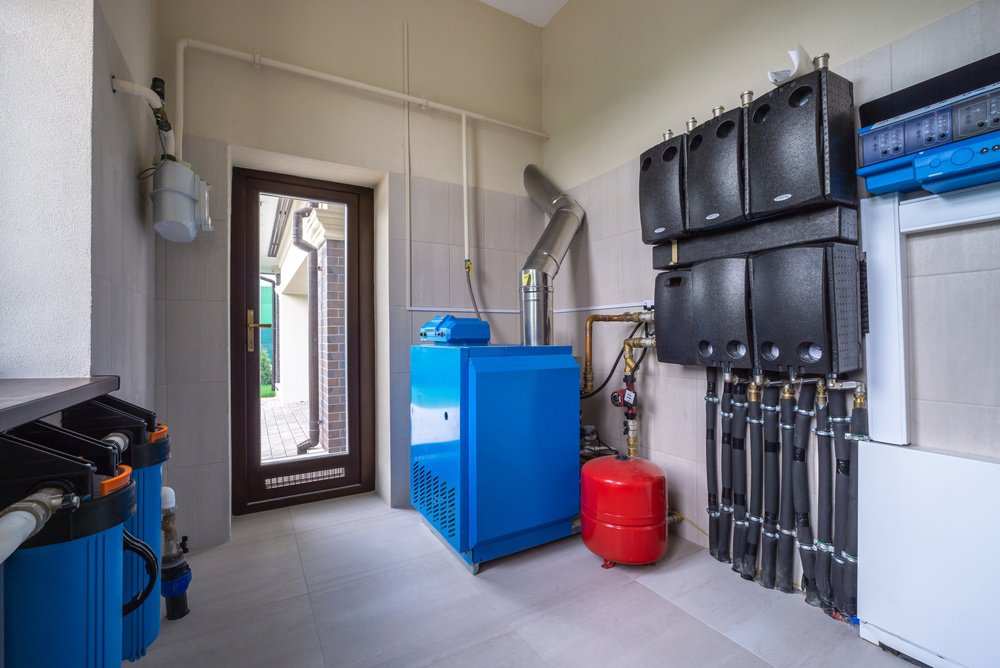
Weekly boiler checks focus on verifying the function of key safety systems and supporting equipment. These checks often involve testing components that protect the boiler from unsafe operating conditions.
Typical weekly checks include:
Low-Water Cutoff Testing: This safety device shuts down the boiler if water levels drop too low. Testing confirms that it responds correctly under simulated conditions.
Pressure Relief Valve Inspection: Relief valves should be visually inspected for signs of wear, corrosion, or obstruction. Some facilities also perform operational checks based on manufacturer guidelines.
Fuel System Inspection: Fuel lines, valves, and connections should be reviewed for leaks or damage. Proper fuel delivery supports safe combustion.
Feedwater System Review: Pumps, valves, and controls that supply water to the boiler should be inspected for proper operation.
Control System Function Check: Operators verify that control panels, alarms, and monitoring systems respond correctly to changes in operating conditions.
Weekly checks provide an added layer of protection by confirming that safety mechanisms remain functional. These checks also help maintenance teams identify components that may require adjustment or repair.
Monthly Boiler Checks Inspectors Expect
Monthly boiler checks typically involve more detailed evaluations of system condition and performance. These checks often require coordination between operators and maintenance personnel.
Common monthly checks include:
Inspection of Internal Components (as accessible): While full internal inspections may require shutdown, accessible areas should be reviewed for signs of corrosion, scale buildup, or wear.
Water Treatment Review: Water chemistry reports should be analyzed to confirm that treatment programs remain effective. Adjustments may be needed based on test results.
Flame Safeguard Testing: Safety systems that monitor flame presence should be tested to ensure proper shutdown in the event of flame failure.
Inspection of Electrical Components: Wiring, connections, and control panels should be checked for signs of wear, overheating, or loose connections.
Calibration of Gauges and Instruments: Accurate readings are essential for safe operation. Gauges and sensors should be verified and calibrated as needed.
Review of Maintenance Logs and Trends: Monthly reviews of operational data can reveal patterns that indicate developing issues.
These checks provide a broader view of system health and help facilities plan maintenance activities more effectively. Consistent monthly evaluations support long-term reliability and inspection readiness.
Preparing for Annual Inspections
Routine boiler checks play a direct role in preparing for annual inspections. Facilities that maintain organized records and consistent maintenance schedules often experience fewer complications during inspections.
In Texas, boiler inspections follow a structured state-managed schedule, and facility managers can review inspection timelines and requirements at any time.
Preparation for inspections includes verifying that all routine checks have been completed and documented. Safety devices should be tested, maintenance records should be accessible, and any known issues should be addressed in advance.
When facilities take a proactive approach, inspections become a confirmation of good practices rather than a discovery process.
How Boiler Pros Support Boiler Check Programs
At Boiler Pros, we work closely with facility teams to build and maintain effective boiler check programs. Our approach focuses on practical collaboration and clear communication.
As a disabled veteran-owned and operated company, we prioritize onsite engagement. We meet with your team, evaluate the system, and discuss operational needs, including space, budget, and inspection requirements.
If your system is experiencing issues, we work alongside your staff to identify potential solutions. In many cases, adjustments or repairs can restore reliable performance. When unexpected downtime occurs, we can also help arrange rental equipment to minimize disruption.
Contact us today to get a free quote.