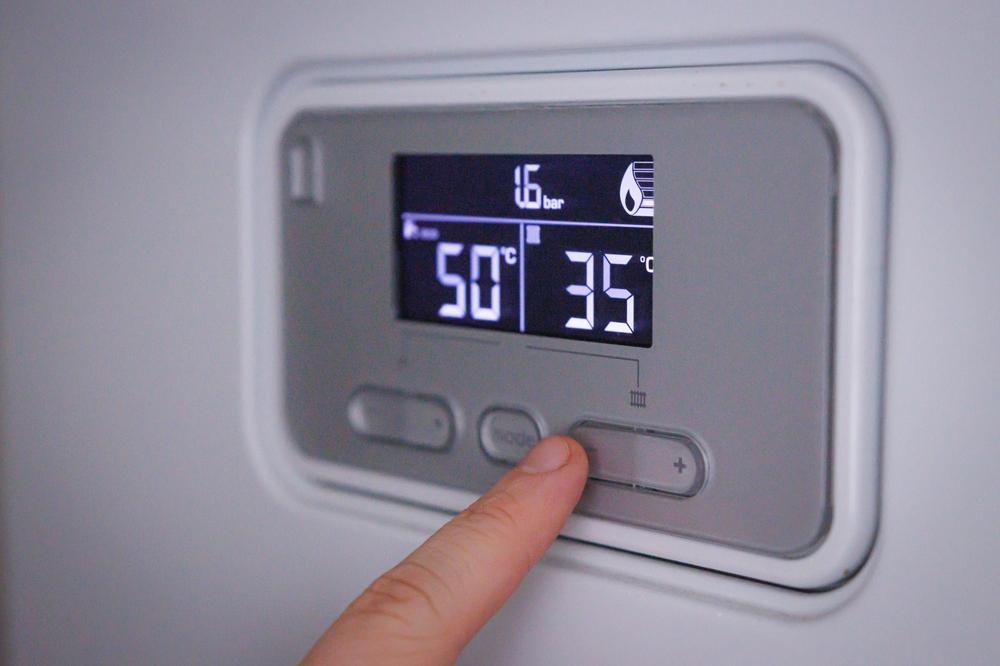
Control Upgrades Inspectors Expect to See
Boiler inspections focus on more than pressure vessels and mechanical components. Many inspection findings today involve outdated controls, which is why control upgrades have become a priority for facilities seeking to maintain safe and compliant operations.
As boiler systems age, control technology often falls behind current standards. While older controls may continue functioning, they can create concerns related to documentation, monitoring, alarm management, and system protection. Modernizing controls helps address these issues while improving overall system visibility.
Why Boiler Controls Receive Greater Attention During Inspections
Inspection programs have evolved alongside boiler technology. Inspectors increasingly evaluate how effectively systems monitor operating conditions and respond to abnormal events.
Modern control systems provide detailed information regarding pressure, temperature, water levels, and equipment status. This information helps demonstrate that critical functions are operating as intended. Older systems may provide limited visibility, making it more difficult to verify proper operation.
Inspectors often look for evidence that safety-related controls remain functional, properly calibrated, and capable of responding to changing operating conditions. Modern controls simplify that verification process.
Control Upgrades That Improve Boiler Safeguards
Protective functions are among the most important elements of any boiler control system. Equipment must be capable of identifying unsafe conditions and initiating appropriate responses.
Many aging control systems rely on technologies that are increasingly difficult to maintain. Components may experience wear, communication limitations, or reduced accuracy over time. These conditions can create concerns during inspections.
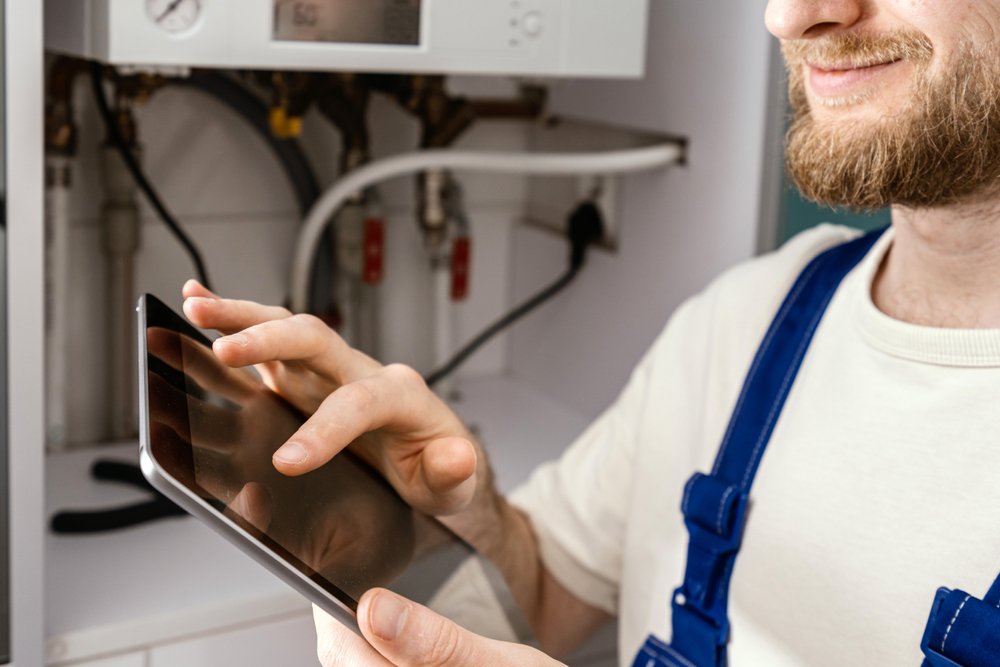
Control upgrades often include enhanced monitoring logic, improved shutdown sequences, and better fault detection capabilities. These features help ensure that abnormal conditions are recognized quickly and managed appropriately.
When inspectors review safety systems, modern safeguards provide greater confidence that protective functions will perform as intended.
Alarm Management Capabilities Inspectors Want to See
Effective alarm management plays a critical role in boiler operations. Operators must be able to identify issues quickly and understand what corrective actions are required.
Older systems may provide limited alarm information. In some cases, alarms are difficult to interpret or fail to provide meaningful diagnostic details. This can slow response times and complicate troubleshooting efforts.
Modern control platforms provide clearer alarm descriptions, event histories, and operator notifications. These capabilities help personnel address issues efficiently while creating valuable records for maintenance and inspection purposes. Detailed alarm tracking also demonstrates a proactive approach to system management.
Digital Records Support Inspection Readiness
Documentation remains an important part of maintaining compliance. Inspectors often review maintenance records, operating data, and evidence of system performance.
Many legacy control systems offer limited data storage capabilities. Important information may be scattered across paper logs, maintenance reports, and separate monitoring systems. Gathering these records can become time-consuming during inspections.
Control upgrades frequently include data logging and reporting functions. Operators can access historical trends, alarm histories, and performance records from a centralized platform. This simplifies recordkeeping while improving access to important operational information. Digital records help facilities demonstrate consistency and accountability.
Control Upgrades That Improve Water Level Management
Proper water level control remains one of the most critical aspects of boiler operation. Inaccurate readings or delayed responses can create significant operational concerns.
Modern control systems provide more precise monitoring of water levels and feedwater processes. Improved sensing technologies help maintain stable conditions while reducing the potential for nuisance events.
Inspectors often pay close attention to water level controls because of their direct connection to safe boiler operation. Upgraded systems can improve confidence in measurement accuracy and control performance. Enhanced monitoring also helps operators identify developing issues before they become serious problems.
Remote Monitoring and System Visibility
Facilities today often manage multiple systems across large properties or campuses. Access to real-time information has become increasingly valuable.
Modern control platforms frequently include remote monitoring capabilities that allow authorized personnel to view system status from various locations. These tools provide visibility into operating conditions without requiring constant physical presence in the boiler room.
Remote access does not replace routine inspections or maintenance activities. However, it does support faster awareness of developing issues and more informed decision-making.
Inspectors recognize the value of systems that improve operational oversight and accountability.
Signs Existing Controls May Need Modernization
Many facilities operate controls long after they have become outdated. While age alone does not require replacement, certain indicators suggest that modernization should be evaluated.
Frequent calibration issues may indicate aging components. Difficulty obtaining replacement parts can create long-term maintenance concerns. Limited reporting capabilities may also hinder inspection preparation and operational analysis.
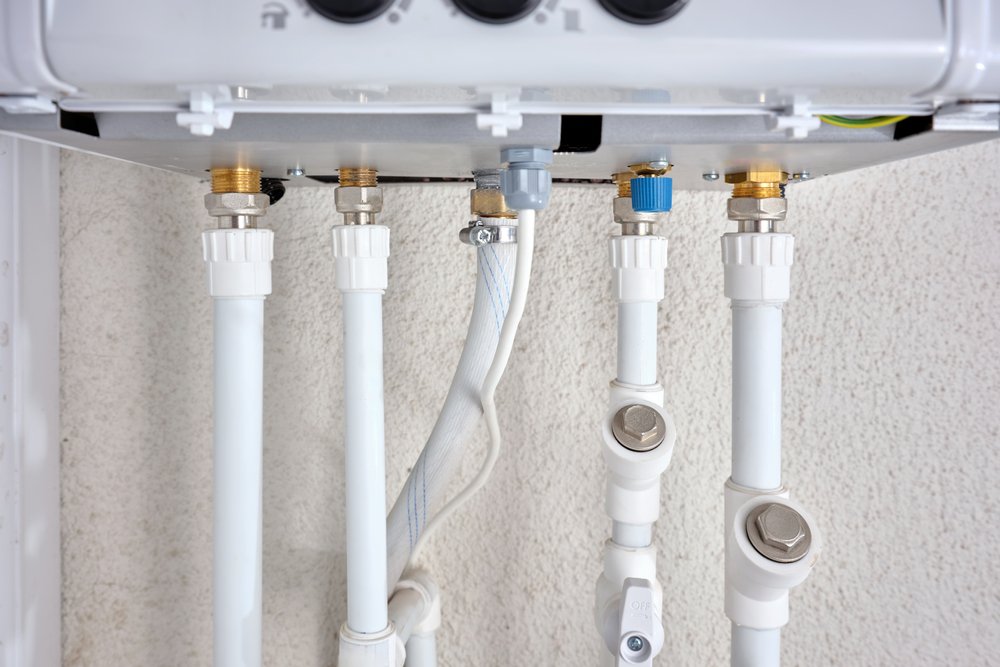
In some cases, controls remain functional but lack features that have become standard throughout the industry. When these limitations begin affecting operations or compliance efforts, upgrades become increasingly beneficial.
Evaluating controls before major issues arise allows facilities to plan improvements strategically.
Preparing for Future Requirements
Technology continues to advance across the boiler industry. Regulatory expectations, documentation standards, and operational best practices evolve over time as well.
Control upgrades help position facilities for future requirements by providing greater flexibility and scalability. Modern systems can often accommodate additional monitoring points, reporting functions, and integration opportunities as operational needs change.
Planning ahead helps reduce the likelihood of rushed projects driven by equipment failures or inspection findings. It also supports a more structured approach to long-term asset management. Facilities that modernize proactively are often better prepared for future operational and compliance demands.
Build a Stronger Inspection Strategy
Inspection readiness begins long before an inspector arrives on-site. Modern control systems help support safe operation, accurate documentation, effective alarm management, and improved visibility across boiler operations.
At Boiler Pros, we help facilities evaluate existing control systems and develop upgrade solutions that align with operational goals, inspection requirements, and long-term reliability objectives. Our team works closely with customers to identify practical improvements that strengthen boiler performance and compliance readiness through our complete boiler solutions.