Causes of Boiler Accidents
Boilers remain essential equipment for many industries. Hospitals rely on them for sterilization and heating, food packaging facilities depend on steam for processing, and manufacturing operations use them to support production lines. When properly maintained and operated, boilers deliver reliable performance for many years. However, boiler accidents can still occur when critical maintenance practices, inspections, or operational safeguards are overlooked.
For maintenance managers, facility engineers, and operations leaders, recognizing the common causes of boiler accidents can help prevent dangerous situations and avoid costly downtime. Many incidents follow patterns that develop over time when systems operate outside recommended conditions or when small problems go unresolved.
A proactive approach to boiler safety helps facilities reduce risk while protecting personnel, equipment, and operational continuity.
1) Lack of Routine Maintenance
One of the most common contributors to boiler accidents involves neglected maintenance. Boilers operate under high pressure and extreme heat, and the components inside the system endure constant stress. Over time, wear develops in valves, seals, piping, and internal surfaces.
Routine maintenance allows technicians to identify early signs of corrosion, scale buildup, pressure irregularities, and worn components. Without consistent service, these small issues can escalate into serious mechanical failures.
For example, scale buildup inside the boiler can reduce heat transfer efficiency and create hot spots within the pressure vessel. Over time, these hot spots may weaken the metal and increase the likelihood of structural failure. Corrosion can also reduce the thickness of boiler walls or piping, making the system more vulnerable under pressure.
Facilities that maintain clear service schedules and work with experienced technicians are far less likely to encounter dangerous conditions.
2) Poor Water Treatment
Water quality plays a critical role in boiler performance and safety. Untreated or poorly managed water can introduce minerals, oxygen, and contaminants into the system. These elements can accelerate corrosion and scale formation inside the boiler.
Scale deposits form when minerals in the water attach to internal surfaces. Even thin layers of scale can interfere with heat transfer, forcing the boiler to work harder to maintain operating conditions. As temperatures rise unevenly, internal components may weaken.
Corrosion caused by oxygen and chemical imbalances can gradually damage internal surfaces and piping systems. Over time, corrosion may create leaks, structural weaknesses, or ruptures in the pressure vessel.
A proper water treatment program helps protect the boiler by controlling chemical balance, preventing scale buildup, and reducing oxygen levels. Facilities that monitor water chemistry regularly can identify issues early and adjust treatment protocols as needed.
3) Operator Error
Boiler systems require knowledgeable operators who understand both the equipment and the safety procedures associated with it. Operator error remains a contributing factor in many boiler accidents.
Common issues include improper startup procedures, incorrect pressure adjustments, bypassing safety controls, or ignoring warning signals from monitoring systems. In some cases, inexperienced operators may attempt to keep systems running despite visible warning signs such as unusual pressure fluctuations, vibration, or temperature irregularities.
Training plays a critical role in preventing these situations. Operators should understand how to read system controls, respond to alarms, and recognize early signs of mechanical or chemical problems.
Facilities that prioritize operator education and ongoing training strengthen their ability to maintain safe and stable boiler operations.
4) Malfunctioning Safety Devices
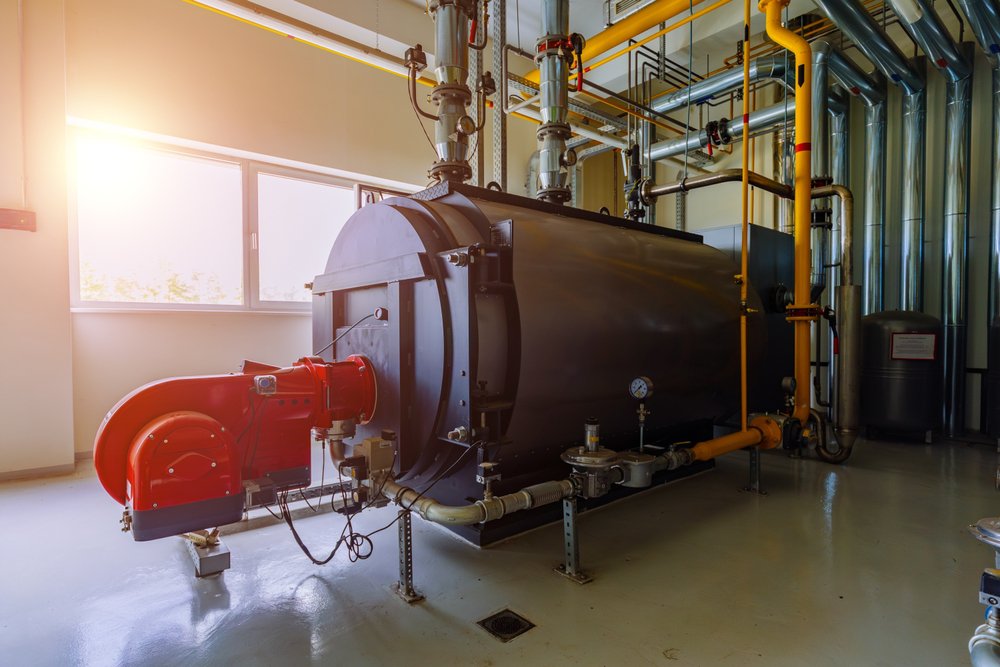
Boilers rely on several built-in safety components designed to prevent dangerous conditions. These include pressure relief valves, low-water cutoff devices, flame safeguards, and control systems that regulate fuel supply and combustion.
When these safety devices fail or become disabled, the risk of boiler accidents increases significantly.
Pressure relief valves, for example, release excess pressure before it reaches dangerous levels. If these valves become stuck, blocked, or improperly calibrated, pressure may continue rising within the system. Under extreme conditions, this can lead to a catastrophic failure.
Low-water cutoff systems are equally important. Boilers require adequate water levels to absorb heat safely. If water levels drop too low, the metal surfaces inside the boiler can overheat. This condition weakens the structure of the pressure vessel and may result in rupture.
Routine inspection and testing of safety devices ensures they function correctly when needed.
5) Delayed Repairs and Deferred Upgrades
Facilities sometimes delay repairs due to budget constraints, production demands, or scheduling challenges. While this approach may keep systems running temporarily, unresolved mechanical issues often worsen over time.
Small leaks can expand into larger failures. Aging components may continue to degrade until they reach a breaking point. Outdated control systems may struggle to monitor modern operating conditions effectively.
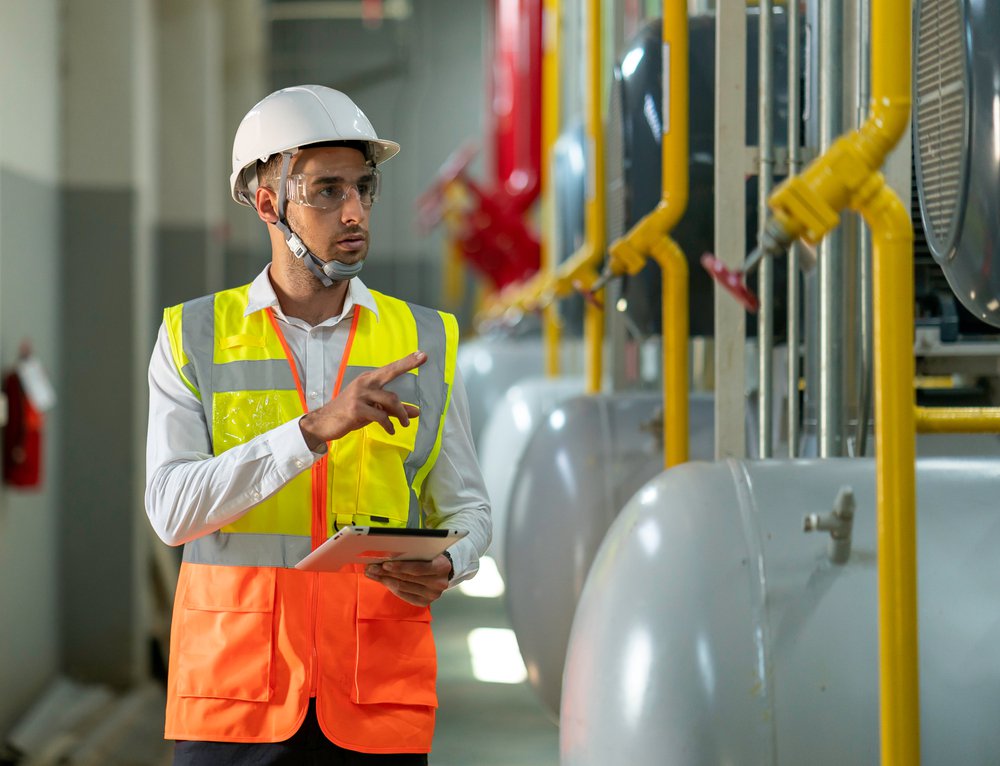
Deferred upgrades can also limit a facility’s ability to meet current safety standards or inspection requirements. Older systems may lack the monitoring capabilities available in modern equipment, making it harder to detect emerging problems.
A structured repair and upgrade plan allows facility managers to address issues before they disrupt operations or create unsafe conditions.
6) Lack of Inspection Preparation
Boiler inspections remain a critical part of safe system operation. Many states require annual inspections to verify that boilers meet safety standards and continue to operate within approved parameters.
When facilities approach inspections without preparation, problems may go unnoticed until inspectors identify them. Corrosion, safety valve malfunctions, water chemistry issues, and structural wear can all surface during these evaluations.
Preparing for inspections involves reviewing maintenance records, testing safety devices, and confirming that system documentation remains up to date. When facilities stay organized and proactive, inspections typically proceed more smoothly.
Facilities operating boilers in Texas can review the state’s inspection schedule and requirements through the official boiler database.
Preventing Boiler Accidents Through Proactive Management
Routine maintenance, trained operators, regular inspections, and well-maintained safety devices all contribute to safer boiler operations. Facilities that invest in these practices often experience fewer disruptions and greater confidence in their systems.
At Boiler Pros, we work closely with facility teams to help reduce the conditions that lead to boiler accidents. Our approach focuses on practical collaboration with the people responsible for maintaining these systems every day.
If your facility is evaluating its boiler system, preparing for inspection, or addressing operational concerns, we are ready to help. Our team works directly with maintenance and facility leaders to review systems, identify solutions, and develop practical plans that support safe and reliable performance.
Contact us today to discuss your boiler system and how we can support your team.