Burner Upgrades That Improve Safety and Control
Boiler performance depends on many interconnected components working together. Among the most important investments a facility can make are burner upgrades that improve combustion efficiency, operational safety, and system control.
Many boiler systems continue operating with aging burners that were designed decades ago. While these burners may still function, they often lack the safety features, monitoring capabilities, and control precision available in modern equipment. Upgrading a burner can help improve reliability while reducing operational risks.
Why Burner Performance Matters
The burner serves as the heart of the combustion process. It regulates the fuel and air mixture required to produce heat safely and efficiently.
When burner performance declines, boiler efficiency often suffers. Inconsistent combustion can increase fuel consumption, create operational instability, and place additional stress on equipment. These issues may develop gradually, making them difficult to identify until performance problems become significant.
Modern burner technology provides greater control over the combustion process. This allows operators to maintain stable performance while improving overall system reliability.
Burner Upgrades Improve Combustion Safety
Safety remains one of the primary reasons facilities pursue burner upgrades. Older combustion systems may not include the advanced safeguards available in current designs.
Modern burners often feature improved flame monitoring, automated shutdown capabilities, and enhanced fault detection systems. These technologies help identify abnormal operating conditions before they become serious hazards.
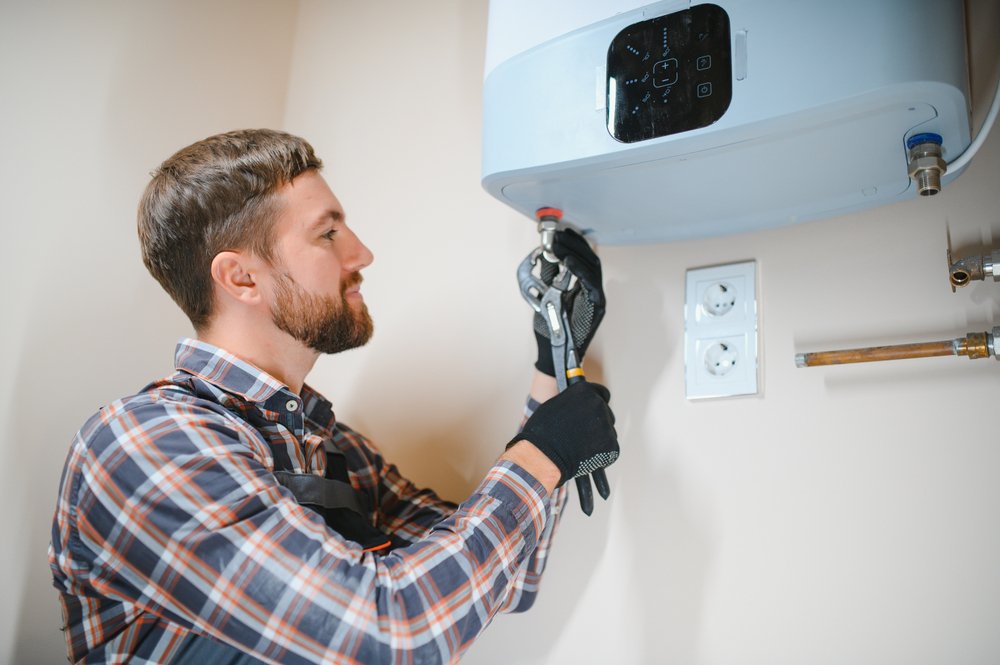
Safety controls can also reduce the likelihood of ignition failures, flame instability, and fuel delivery issues. By responding quickly to unsafe conditions, upgraded systems help protect personnel, equipment, and facility operations.
Investing in safety-focused upgrades can reduce risk while supporting a more reliable operating environment.
Better Control Through Modern Burner Upgrades
Control capabilities have advanced significantly in recent years. Many older burner systems rely on manual adjustments or limited control functions.
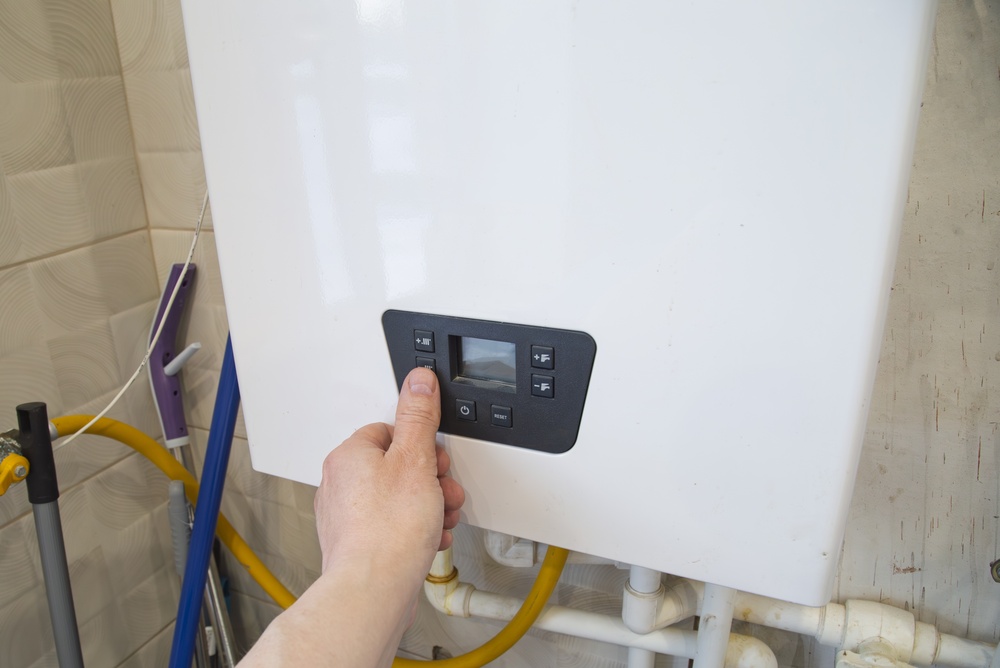
Modern burner controls provide more precise management of fuel and air ratios. This level of control helps maintain consistent combustion across varying load conditions. As operational demands change, the burner can respond more effectively to maintain stable performance.
Advanced controls also improve visibility into system operation. Operators can access detailed information regarding burner performance, alarms, and operating conditions. This insight supports better decision-making and more proactive maintenance practices.
Reduced Fuel Waste and Improved Efficiency
Combustion efficiency plays a direct role in operating costs. Even small inefficiencies can create substantial fuel waste over time.
Older burners may struggle to maintain optimal fuel-to-air ratios. Excess air, incomplete combustion, and inconsistent firing rates can all contribute to unnecessary energy consumption. These conditions often increase operating expenses while reducing overall system performance.
Burner upgrades help address these challenges by improving combustion precision. Better control of the combustion process supports more efficient fuel utilization and reduced waste.
Over time, these efficiency improvements can contribute to meaningful cost savings.
Enhanced Reliability During Daily Operations
Reliability is essential for facilities that depend on uninterrupted steam or hot water production. Frequent burner issues can lead to downtime, production disruptions, and emergency service calls.
Aging burners often experience wear-related problems that affect performance. Components such as actuators, sensors, linkages, and control systems can become less reliable as they age. These issues may result in inconsistent operation and recurring maintenance requirements.
Upgraded burner systems provide newer components designed for long-term performance. Improved reliability helps reduce unexpected interruptions and supports smoother daily operations.
Facilities often find that reliability gains alone justify the investment in burner modernization.
Compliance and Inspection Benefits
Regulatory requirements continue to evolve, particularly regarding combustion safety and control systems. Facilities must ensure their equipment remains compliant with applicable standards and inspection requirements.
Modern burner systems often incorporate features that support compliance efforts. Enhanced safety controls, documentation capabilities, and monitoring functions can simplify inspections and maintenance recordkeeping.
In Texas, annual boiler inspections help verify that equipment continues operating safely. Burners and associated controls play an important role in demonstrating proper system operation during these evaluations.
Addressing outdated combustion equipment before inspections occur can help reduce compliance concerns and avoid unexpected findings.
Signs It May Be Time for Burner Upgrades
Several warning signs may indicate that existing burner equipment is approaching the end of its useful life. Recognizing these indicators early allows facilities to plan upgrades before failures occur.
Frequent nuisance shutdowns often signal underlying burner problems. Repeated service calls, ignition issues, and inconsistent flame performance can also indicate aging components. Increasing fuel consumption without corresponding operational changes may point toward combustion inefficiencies.
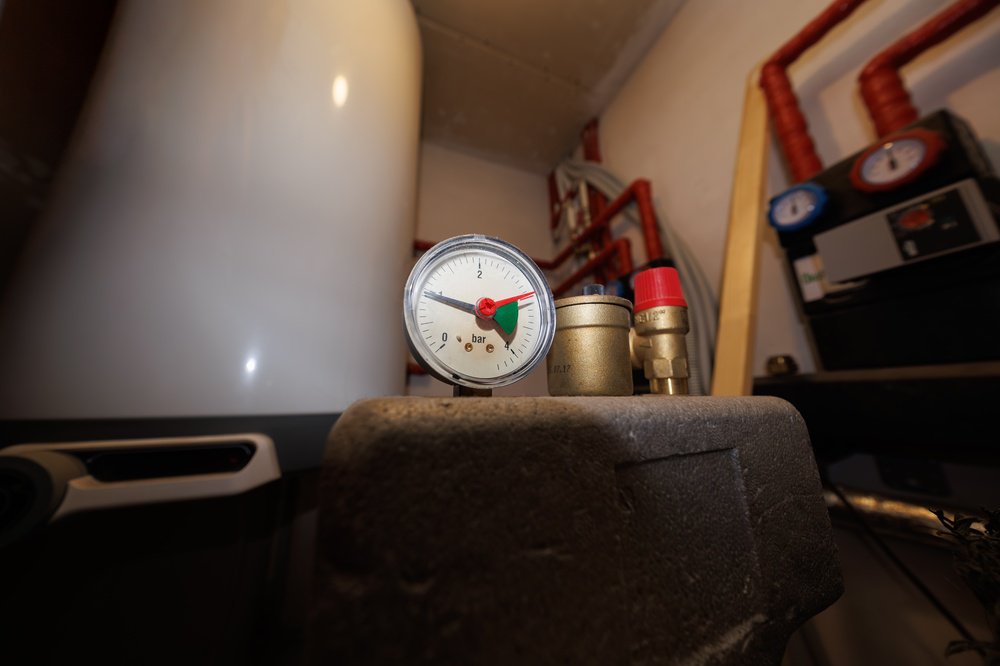
Difficulty sourcing replacement parts can create additional challenges. As manufacturers discontinue support for older systems, maintaining reliable operation becomes increasingly difficult.
When multiple warning signs appear simultaneously, a burner evaluation can help determine the most effective path forward.
Planning Burner Upgrades for Long-Term Success
Successful burner projects require careful planning and evaluation. Every boiler system operates under unique conditions and demands.
A comprehensive assessment should examine equipment condition, operational requirements, fuel sources, safety considerations, and future growth objectives. This information helps ensure the selected solution aligns with both current and long-term needs.
Planning ahead also allows upgrades to occur during scheduled maintenance windows whenever possible. This approach minimizes operational disruptions while supporting a smoother installation process.
Facilities that take a proactive approach often achieve better performance outcomes and greater return on investment.
Work With Experienced Boiler Professionals
Burner systems play a critical role in boiler safety, efficiency, and reliability. Modern burner upgrades provide improved combustion control, enhanced safety features, reduced fuel waste, and better operational visibility. These improvements can help extend equipment life while supporting long-term performance goals.
At Boiler Pros, we help facilities evaluate existing combustion systems and identify practical upgrade solutions that improve safety and control through our complete boiler services. Our team works closely with customers to design systems that align with operational requirements and budget objectives. Contact us today for a free quote.