Building a Boiler Maintenance Plan That Fits Everyone’s Budget
Every facility depends on reliable boiler performance to keep operations running smoothly. Whether supporting sterilization in hospitals, production in manufacturing, or processing in food packaging, boilers must operate safely and consistently. A well-structured boiler maintenance plan helps achieve that reliability while also keeping costs under control.
For many organizations, balancing performance with budget constraints can be challenging. A boiler maintenance plan should reflect the specific needs of the facility, the condition of the equipment, and the operational demands placed on the system. When designed thoughtfully, it allows teams to maintain safety and efficiency without unnecessary spending.
We work with facility leaders to create maintenance strategies that align with both operational goals and financial realities.
Start with a Clear Picture of Your System
Before building any maintenance plan, it is important to evaluate the current condition of the boiler system. This includes reviewing equipment age, service history, operating demands, and any recurring issues.
Some facilities operate newer systems with modern controls, while others rely on older equipment that may require more frequent attention. Each situation requires a different approach. A thorough system assessment helps identify immediate concerns as well as areas that may need attention in the future.
This information provides a foundation for building a maintenance plan that reflects actual conditions rather than assumptions. When teams begin with accurate data, they can make more informed decisions about where to allocate resources.
Prioritize Critical Components First
Not all maintenance tasks carry the same level of urgency. Certain components have a direct impact on safety and system stability, including pressure controls, safety valves, and water level monitoring systems.
Focusing on these critical areas ensures that the most important risks are addressed first. This approach allows facilities to allocate budget resources where they will have the greatest impact.
For example, maintaining safety devices and verifying their operation should remain a top priority in any maintenance plan. These components protect both personnel and equipment from unsafe conditions. By prioritizing essential systems, facilities can build a strong safety foundation while managing costs effectively.
Align Maintenance Frequency with System Demand
Boiler usage varies widely across industries. A system operating around the clock in a manufacturing facility will require a different maintenance schedule than one used intermittently in a smaller operation.
A maintenance plan should reflect how often the system is used and the intensity of that use. High-demand systems typically require more frequent inspections, testing, and servicing.
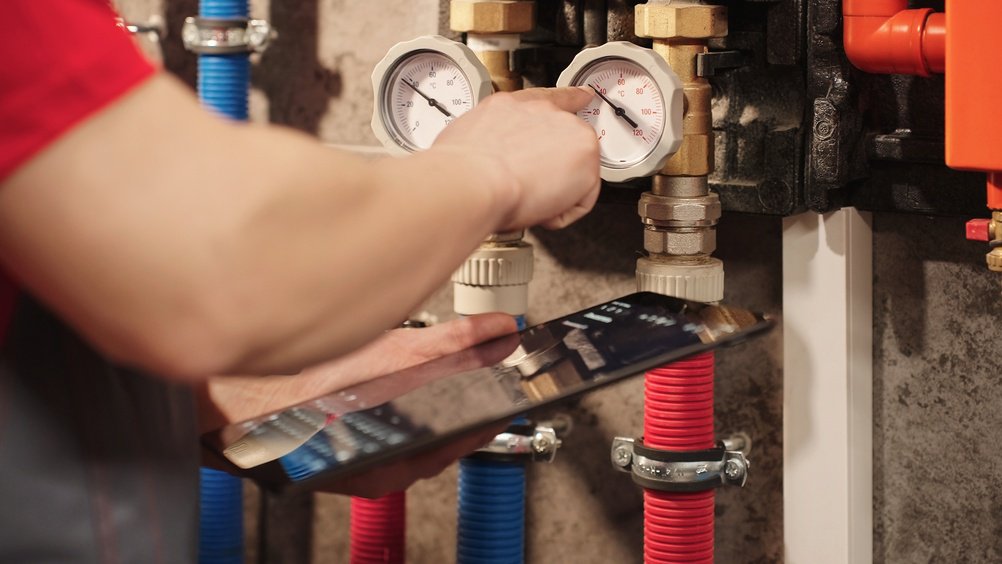
Adjusting maintenance frequency based on actual usage helps prevent both under-maintenance and unnecessary service. This balance allows facilities to maintain performance without overextending their budget. Monitoring system performance data can also help refine maintenance schedules over time.
Incorporate Preventive and Predictive Strategies
A strong boiler maintenance plan includes both preventive and predictive elements. Preventive maintenance involves scheduled tasks such as inspections, cleaning, and component testing. Predictive maintenance uses performance data to identify trends and anticipate potential issues.
Combining these approaches allows facilities to address known maintenance needs while also responding to emerging conditions.
For example, regular inspections may identify early signs of wear, while performance monitoring can reveal changes in efficiency or pressure behavior. Together, these insights help maintenance teams act before problems escalate. This balanced approach supports long-term reliability and helps control unexpected repair costs.
Plan for Inspections and Compliance Requirements
Inspection readiness should be built into every maintenance plan. Regulatory inspections evaluate both the physical condition of the boiler and the documentation that supports its operation. In Texas, facilities can review inspection schedules and requirements through the state database.
Incorporating inspection preparation into the maintenance plan helps avoid last-minute issues. This includes ensuring that safety devices are tested regularly, maintenance records are up to date, and any known concerns are addressed in advance.
When inspection preparation is part of the routine rather than a separate effort, facilities often experience smoother evaluations and fewer unexpected findings.
Budgeting for Repairs and Upgrades
Even with a well-structured maintenance plan, repairs and upgrades will be necessary over time. Planning for these expenses helps facilities avoid financial strain when issues arise.
Setting aside a portion of the maintenance budget for unexpected repairs allows teams to respond quickly without disrupting operations. In addition, identifying potential upgrades early can help spread costs over time rather than addressing them all at once.
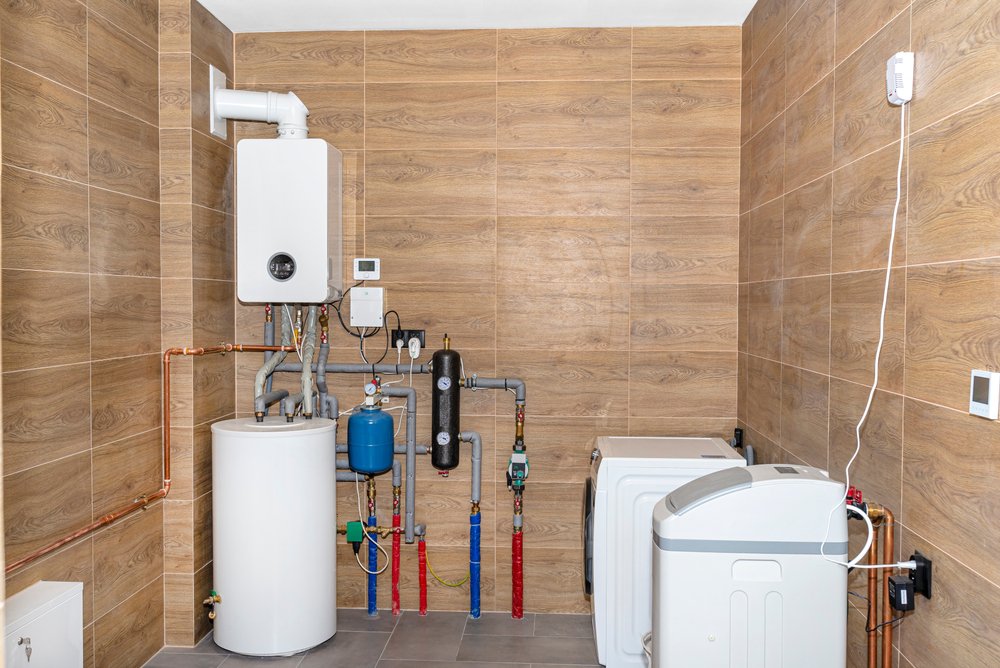
For example, replacing aging components before they fail can reduce downtime and improve system efficiency. Upgrades to control systems or monitoring equipment may also provide long-term benefits. A proactive budgeting approach supports both reliability and financial stability.
Avoiding Common Cost Pitfalls
Facilities sometimes attempt to reduce costs by delaying maintenance or limiting service scope. While this approach may provide short-term savings, it often leads to higher expenses in the long run.
Deferred maintenance can result in larger repairs, reduced efficiency, and increased risk of system failure. Emergency repairs often cost more and may require unplanned downtime.
Another common pitfall involves applying a one-size-fits-all maintenance approach. Each boiler system has unique requirements, and plans should be tailored accordingly.
By focusing on targeted maintenance and proactive planning, facilities can avoid unnecessary expenses and maintain better control over their budget.
A Balanced Approach to Boiler Maintenance Planning
A well-designed boiler maintenance plan supports both operational reliability and financial efficiency. By starting with a clear system assessment, prioritizing critical components, and aligning maintenance with actual usage, facilities can create a plan that meets their needs without exceeding their budget.
Incorporating preventive strategies, planning for inspections, and preparing for repairs all contribute to long-term system performance. Facilities that take a structured approach to maintenance often experience fewer disruptions and more predictable costs.
At Boiler Pros, we take a practical approach to building maintenance plans. We work directly with your team to evaluate the system, discuss operational needs, and identify priorities.
If your facility is developing or refining a boiler maintenance plan, we are ready to assist. Our team works with you to evaluate your system, identify priorities, and build a plan that supports safe and reliable operation. Contact us today.