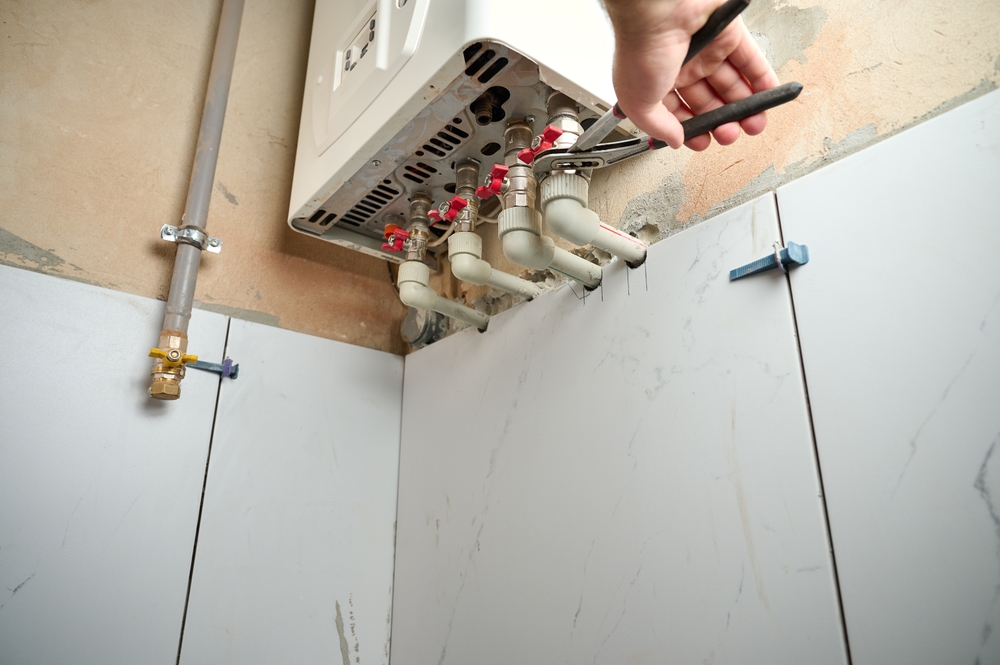
Boiler Upgrades That Reduce Long-Term Compliance Risk
Compliance is an ongoing responsibility for facilities that operate boiler systems. Regulations, inspections, documentation requirements, and equipment standards all play a role in maintaining safe operations. While maintenance remains important, certain boiler upgrades can help reduce long-term compliance risk and make it easier to meet evolving requirements.
Many compliance challenges develop gradually. Aging equipment, obsolete technologies, and incomplete documentation practices can create vulnerabilities that may not become obvious until an inspection or audit occurs. Strategic upgrades help address these concerns before they create larger operational problems.
Replace Aging Safety Devices Before They Become Liabilities
Safety devices serve as a critical layer of protection within boiler systems. Components such as pressure controls, low-water cutoffs, relief valves, and safety interlocks help prevent dangerous operating conditions.
Over time, these devices can experience wear, calibration drift, or reliability concerns. Even when they continue functioning, older equipment may not provide the same level of performance as newer technologies.
Replacing aging safety components allows facilities to maintain confidence in system protection. It also demonstrates a proactive commitment to maintaining equipment that supports safe operation. Facilities that address safety devices before failures occur are often better positioned during inspections and evaluations.
Boiler Upgrades That Improve Instrument Accuracy
Compliance decisions often rely on accurate information. Pressure gauges, temperature sensors, flow meters, and water level instruments provide data that supports operational oversight.
As instrumentation ages, accuracy can decline. Inaccurate readings create challenges for operators and can complicate efforts to verify system performance.
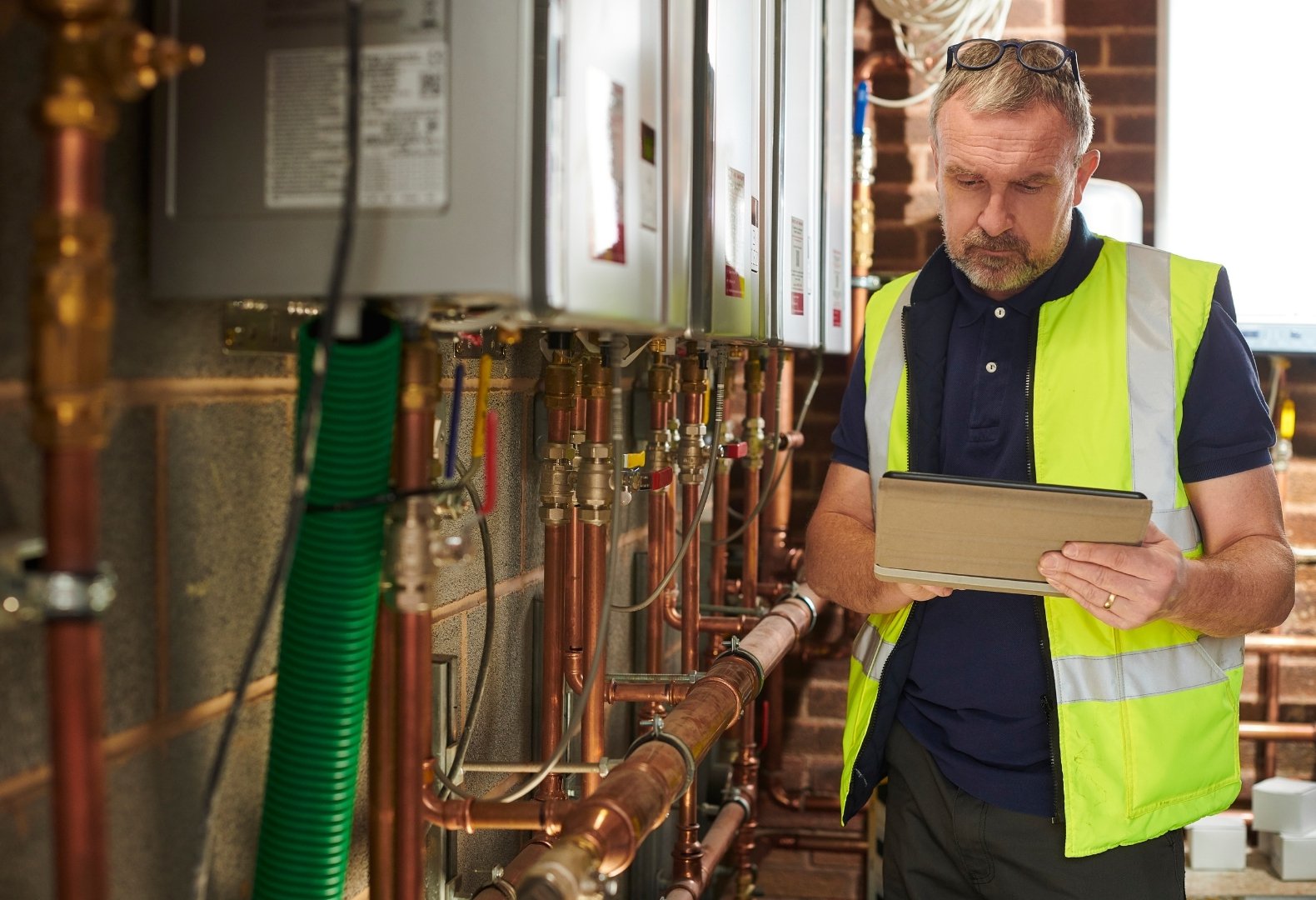
Modern instrumentation provides greater precision and reliability. Improved measurement capabilities help operators maintain proper operating conditions while supporting inspection and recordkeeping activities. Reliable data forms the foundation of effective compliance management.
Eliminate Obsolete Technologies From Critical Systems
Many facilities continue operating equipment that manufacturers no longer support. While these systems may remain functional, obsolete technologies often introduce compliance concerns.
Replacement parts may become difficult to obtain. Technical support may be unavailable. In some cases, documentation for older systems becomes increasingly difficult to locate.
Boiler upgrades that replace unsupported equipment reduce these risks. Modern technologies typically offer stronger manufacturer support and better access to technical resources. Removing obsolete systems helps create a more sustainable compliance strategy.
Improve Verification of Operating Conditions
Inspectors and auditors often focus on whether facilities can demonstrate proper system operation. The ability to verify operating conditions consistently becomes increasingly important over time.
Older systems may rely heavily on manual observations and handwritten records. While these methods can still be effective, they often require additional effort and oversight.
Upgraded systems can provide clearer verification of critical operating parameters. Better access to operational information helps support accountability and simplifies reviews. Facilities that can readily demonstrate system performance often experience fewer compliance-related challenges.
Address Equipment That No Longer Aligns With Current Practices
Industry best practices continue evolving as technology advances. Equipment that was considered standard years ago may no longer represent the preferred approach today.
This does not necessarily mean older systems are noncompliant. However, facilities should evaluate whether existing equipment continues supporting modern operational expectations.
Boiler upgrades can help bridge this gap by incorporating newer technologies and design approaches. These improvements often strengthen overall system management while reducing exposure to future compliance concerns. Staying aligned with current practices helps support long-term operational resilience.
Strengthen Testing and Inspection Readiness
Preparation often determines how smoothly inspections proceed. Facilities that can quickly verify equipment condition and operational status are generally better prepared for regulatory reviews.
Certain upgrades improve accessibility for testing and evaluation activities. Improved instrumentation, updated controls, and enhanced monitoring capabilities can simplify inspection processes.
These improvements also help maintenance teams perform routine evaluations more efficiently. Better visibility into equipment condition supports a stronger preventive maintenance program. Inspection readiness becomes easier when systems are designed with monitoring and verification in mind.
Modern Burner Systems Support Regulatory Objectives
Combustion equipment plays an important role in boiler compliance. Burner performance affects safety, operational consistency, and environmental considerations. Older burner systems may lack capabilities that are now common within modern combustion technology. Upgrading burners can improve operational precision while supporting broader compliance objectives.
Enhanced combustion management helps maintain stable operating conditions and improve system responsiveness. These benefits contribute to safer operation and stronger overall performance. Facilities evaluating long-term compliance strategies should include combustion equipment in the discussion.
Boiler Upgrades Help Standardize Operations Across Facilities
Organizations that manage multiple facilities often face additional compliance challenges. Differences between equipment types, control platforms, and operating procedures can complicate oversight efforts.
Standardization helps simplify training, maintenance, and documentation practices. Upgrading equipment across facilities can create greater consistency in how systems are managed.
This consistency supports stronger compliance programs and reduces the likelihood of oversight gaps. Personnel can apply similar procedures and expectations across multiple locations. A more standardized environment often leads to better long-term operational control.
Future-Proofing Compliance Strategies
Regulatory requirements rarely remain static. Facilities that only address today's concerns may find themselves reacting to future changes with little preparation.
Strategic boiler upgrades help create flexibility for evolving requirements. Modern equipment often provides greater adaptability than legacy systems, allowing facilities to respond more effectively to changing expectations.
Future-focused planning reduces the likelihood of rushed projects driven by compliance concerns. It also supports more predictable budgeting and asset management efforts. Preparing for future requirements helps reduce uncertainty and operational risk.
Reduce Compliance Risk Through Proactive Boiler Upgrades
Long-term compliance depends on more than passing the next inspection. It requires maintaining equipment, improving visibility, and addressing risks before they become significant problems. Boiler upgrades that modernize safety systems, instrumentation, combustion equipment, and critical infrastructure can help strengthen compliance programs for years to come.
At Boiler Pros, we take a hands-on approach to every system we work with by providing complete boiler solutions. We come to your facility, meet with your team, and evaluate your steam system in person before recommending any solution. We put everything in writing and make no changes without your approval.