Why Boiler Training is Essential for Facility Safety
Boilers support essential processes across many industries, including food packaging facilities, hospitals, manufacturing plants, hotels, airports, and specialty production sites. These systems operate under high-pressure and temperature conditions, which makes safe operation a priority for every facility team. Effective boiler training helps ensure that operators, maintenance staff, and facility managers know how to manage these systems responsibly.
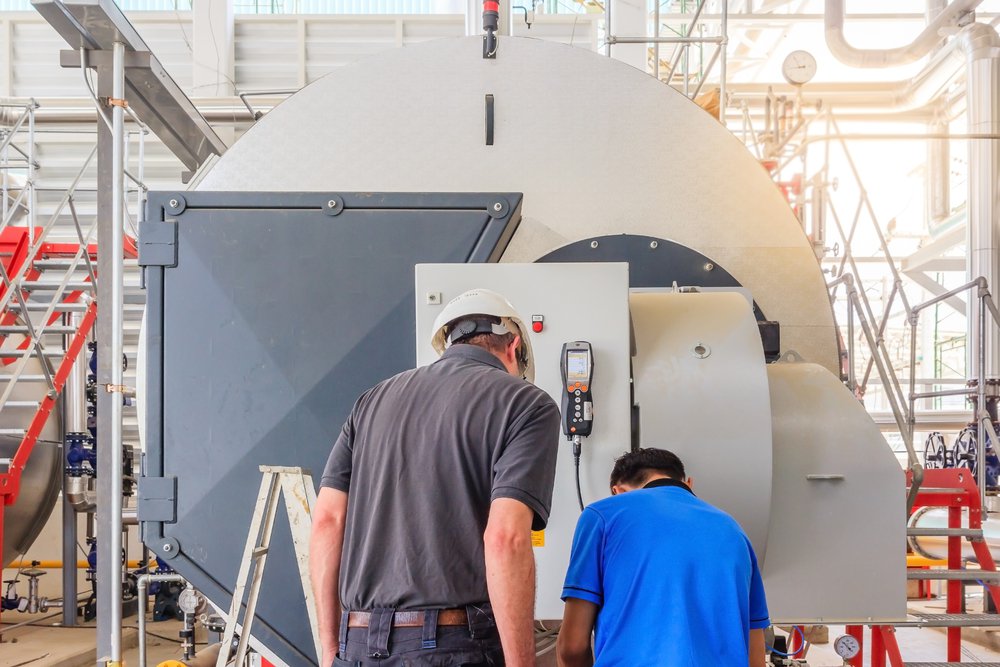
Without proper training, even experienced maintenance teams can face challenges when operating or troubleshooting boiler equipment. Boilers include complex components such as burners, controls, pumps, valves, and safety systems that must work together reliably. Teams that receive structured training develop the knowledge needed to operate these systems safely while maintaining efficient performance.
Why Boiler Training Matters for Facility Operations
Boilers support heating, steam production, sterilization processes, manufacturing operations, and other essential functions. When systems operate correctly, facility operations continue smoothly. When problems occur, disruptions can quickly affect production schedules, patient care, guest services, or other critical activities.
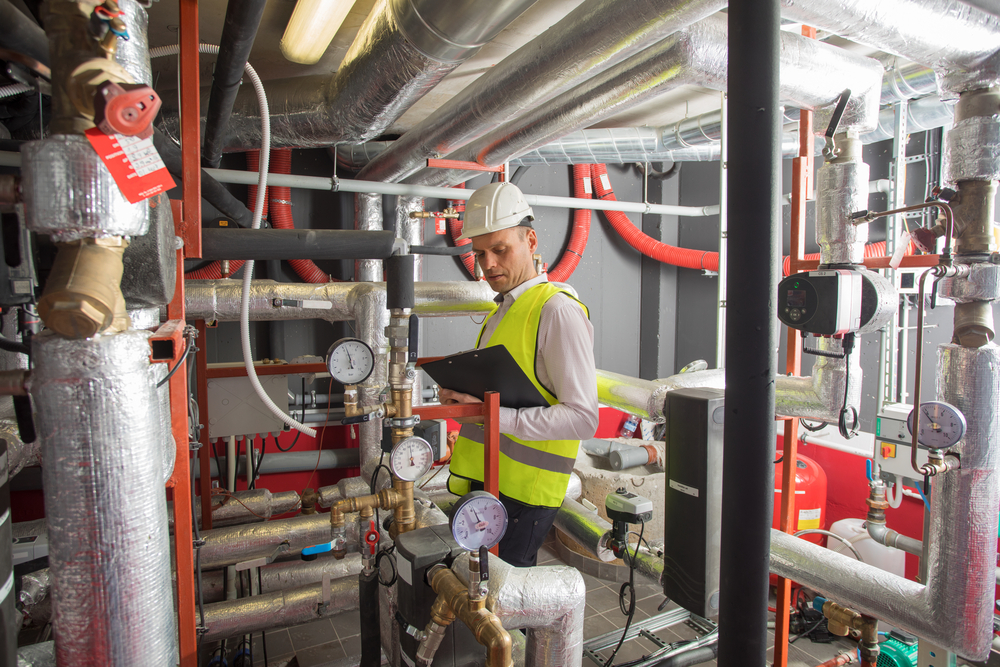
Training prepares facility teams to recognize normal operating conditions and identify early warning signs of potential problems. Operators learn how to interpret pressure readings, temperature changes, alarm signals, and other indicators that reflect system performance.
Well-trained teams respond to issues quickly and confidently. Instead of waiting for a system failure, they can identify developing concerns and address them before operations are affected. Facilities that prioritize boiler training often experience fewer unexpected shutdowns and improved system reliability.
Supporting Safety Through Proper Boiler Training and Operation
Boilers operate under conditions that require careful monitoring and control. Improper operation can increase the risk of equipment damage or safety incidents.
Training helps operators understand how to manage system pressure, temperature, water levels, and fuel supply. These factors must remain within specific operating ranges to maintain safe conditions.
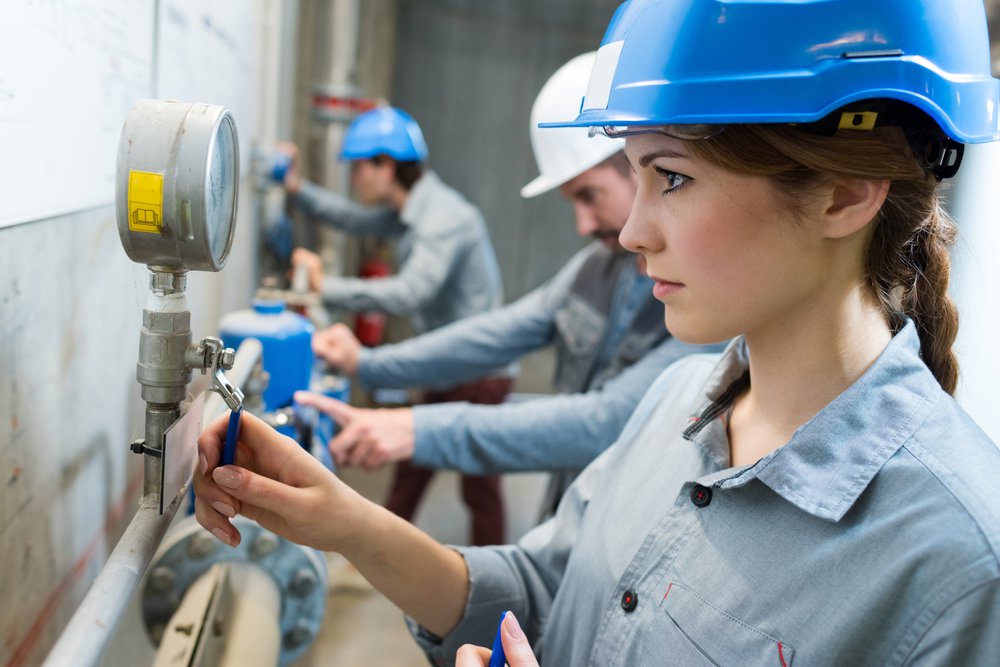
Operators also learn how safety devices function within the system. Pressure relief valves, low-water cutoffs, and control systems provide protection when abnormal conditions occur. Training ensures that operators know how to verify these safety components and respond appropriately if alarms activate.
Reducing Equipment Damage Through Knowledge
Boilers require consistent maintenance and careful operation to protect their internal components. Improper procedures during startup, shutdown, or routine operation can cause damage that reduces equipment life.
Training programs typically cover best practices for startup and shutdown procedures. These steps help protect the boiler vessel, burners, and internal components from sudden temperature or pressure changes.
Maintenance personnel also benefit from training that explains how system components interact. For example, burner performance, feedwater systems, and control settings all influence boiler efficiency and reliability.
When teams understand these relationships, they can identify potential problems earlier and prevent unnecessary equipment wear.
Preparing Teams for Boiler Inspections
Many facilities must complete annual boiler inspections as part of regulatory compliance. Inspectors evaluate the condition of the boiler, safety components, and maintenance practices to confirm that the system operates safely.
Training plays an important role in inspection readiness. Operators and maintenance personnel who understand system requirements are more likely to maintain accurate documentation and follow proper operating procedures.
Facilities located in Texas can review inspection schedules through the Texas Department of Licensing and Regulation boiler database. This resource allows facility teams to track inspection timelines and prepare accordingly.
When training programs emphasize documentation, maintenance records, and safety checks, facilities are better positioned to meet inspection requirements without last-minute preparation.
Building Confidence Among Maintenance Teams
Boiler training also improves confidence among facility personnel. Maintenance teams who understand system operation feel more prepared to manage daily responsibilities and address unexpected situations.
This confidence supports stronger collaboration between operators, maintenance staff, and facility managers. Teams communicate more effectively when everyone shares a common understanding of how the boiler system operates.
Training can also reduce hesitation when responding to alarms or unusual system behavior. Operators who know what to expect are more likely to investigate issues promptly and follow appropriate procedures. Facilities that invest in team knowledge often see improved efficiency across their operations.
Boiler Training Supports Long-Term System Performance
Consistent training contributes to long-term equipment performance. Boilers that are operated and maintained correctly tend to last longer and operate more efficiently.
Routine training sessions help reinforce best practices and keep teams updated on system changes. As facilities upgrade equipment or modify processes, training ensures that operators remain familiar with the latest procedures.
For example, control systems and monitoring technology continue to evolve. Training helps maintenance teams stay current with these advancements and use them effectively.
Facilities that combine training with preventive maintenance programs create an environment where boilers operate reliably for years.
Adapting Training to Different Facility Needs
Every facility operates under different conditions. Production schedules, staffing levels, equipment types, and regulatory requirements all influence how training programs should be structured.
Some facilities require specialized training that focuses on steam production for manufacturing processes. Others emphasize heating systems that support building operations or patient care environments.
Customized training ensures that operators learn procedures directly related to their equipment and operational responsibilities. Maintenance teams benefit from instruction that reflects real-world conditions within the facility.
Strengthening Facility Safety Through Education
Safety programs often include multiple layers of protection, including equipment safeguards, inspection procedures, and operational protocols. Boiler training adds another critical layer by ensuring that personnel understand how to manage the system responsibly.
Training encourages a proactive mindset among facility teams. Operators become more attentive to system conditions and more willing to report potential concerns.
Facilities that prioritize education often develop stronger safety cultures overall. Personnel recognize that maintaining reliable boiler operations contributes to the safety of employees, visitors, patients, and guests.
Partnering With Experienced Boiler Specialists
At Boiler Pros, we believe education plays an important role in safe and reliable boiler operation. As a disabled veteran-owned and operated company, we meet directly with facility teams to review equipment, discuss operational needs, and provide guidance that supports both safety and efficiency. If your existing system is experiencing issues, we collaborate with your team to evaluate possible solutions. When systems go offline, we can arrange rental boilers to help maintain operations with minimal disruption.
Every project and recommendation is documented clearly, and no changes occur without your approval. Our goal is to provide practical support that helps facilities maintain reliable boiler systems while preparing teams for inspections and long-term performance. Contact us today.