Boiler Safety Risks Caused by Poor Maintenance
Boilers are built to operate under demanding conditions, supporting essential systems across industries such as healthcare, manufacturing, food processing, and transportation. When these systems are maintained correctly, they deliver consistent performance and support operational continuity. However, boiler safety can quickly become a concern when maintenance practices fall behind or are handled inconsistently.
Poor maintenance introduces risks that often develop gradually. Small issues such as minor leaks, early-stage corrosion, or inconsistent water treatment may not seem urgent at first. Over time, these conditions can escalate into serious hazards that threaten both equipment and personnel.
For facility managers and maintenance teams, recognizing how maintenance gaps impact boiler safety helps create a stronger, more reliable system.
Gradual Wear That Leads to Structural Weakness
Boilers operate under constant pressure and heat, which places ongoing stress on internal components. Without regular inspection and maintenance, this stress contributes to material fatigue and structural degradation.
Corrosion is one of the most common outcomes of poor maintenance. When water chemistry is not properly controlled, oxygen and contaminants can attack metal surfaces. This process weakens the pressure vessel and associated piping.
In addition to corrosion, scale buildup can create uneven heating conditions inside the boiler. Hot spots develop where heat cannot transfer efficiently, placing additional strain on the metal. Over time, these conditions may lead to cracks or ruptures.
Routine maintenance helps identify early signs of wear, so corrective action can be taken before structural integrity is compromised.
Increased Risk of Pressure-Related Failures
Pressure control remains a central component of boiler operation. When maintenance practices fall short, systems may struggle to regulate pressure effectively.
Faulty pressure relief valves, clogged lines, or malfunctioning controls can allow pressure to rise beyond safe limits. These conditions increase the likelihood of system failure.
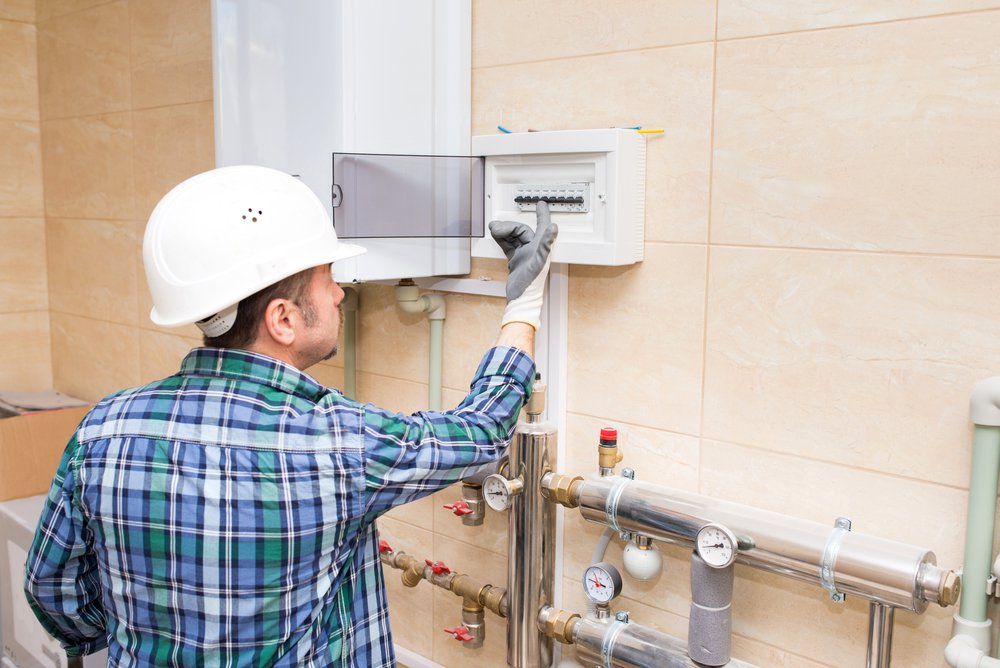
Maintenance programs typically include testing and calibrating pressure-related components. When these tasks are skipped or delayed, safety margins begin to shrink.
Inspectors often pay close attention to pressure control systems during evaluations. Facilities that maintain these components consistently reduce the risk of dangerous operating conditions.
Water Quality Problems That Affect Performance
Water quality plays a major role in maintaining boiler safety and performance. Without proper treatment, minerals and impurities accumulate inside the system.
Scale formation reduces heat transfer efficiency, forcing the boiler to work harder to maintain output. As temperatures rise unevenly, internal surfaces experience additional stress.
At the same time, untreated water can introduce corrosive elements that damage metal components. This combination of scale and corrosion creates a cycle that accelerates system deterioration.
Maintenance teams that monitor water chemistry and adjust treatment programs regularly are better equipped to prevent these issues.
Failure of Critical Safety Components
Boilers rely on safety devices to prevent unsafe conditions. These components must operate correctly at all times to protect both equipment and personnel.
Poor maintenance can lead to malfunctioning safety devices, including low-water cutoff controls, flame safeguards, and pressure relief valves. If these systems are not tested regularly, they may fail to respond when needed.
For example, a low-water cutoff device is designed to shut down the boiler if water levels drop too low. Without proper testing, this device may not activate during a critical moment.
Inspectors expect documentation that demonstrates regular testing of safety components. Facilities that neglect these checks increase the risk of both inspection failures and operational hazards.
Hidden Issues in Boiler Safety That Escalate Over Time
One of the challenges with poor maintenance is that many problems develop out of sight. Internal corrosion, scale buildup, and control system irregularities may not be immediately visible.
Without routine inspections and performance monitoring, these issues can progress without detection. By the time symptoms appear, the problem may already require significant repair.
Maintenance programs that include both visual inspections and system performance reviews help uncover hidden issues before they become major concerns.
Tracking trends in temperature, pressure, and efficiency can also provide early indicators of developing problems.
Operational Disruptions and Downtime
Boiler safety concerns often lead to operational disruptions when systems fail unexpectedly. Facilities that rely on steam for production, sterilization, or heating may experience immediate impacts when a boiler goes offline.
Unplanned downtime can halt production lines, delay shipments, and disrupt essential services. In some cases, emergency repairs may require extended shutdown periods.
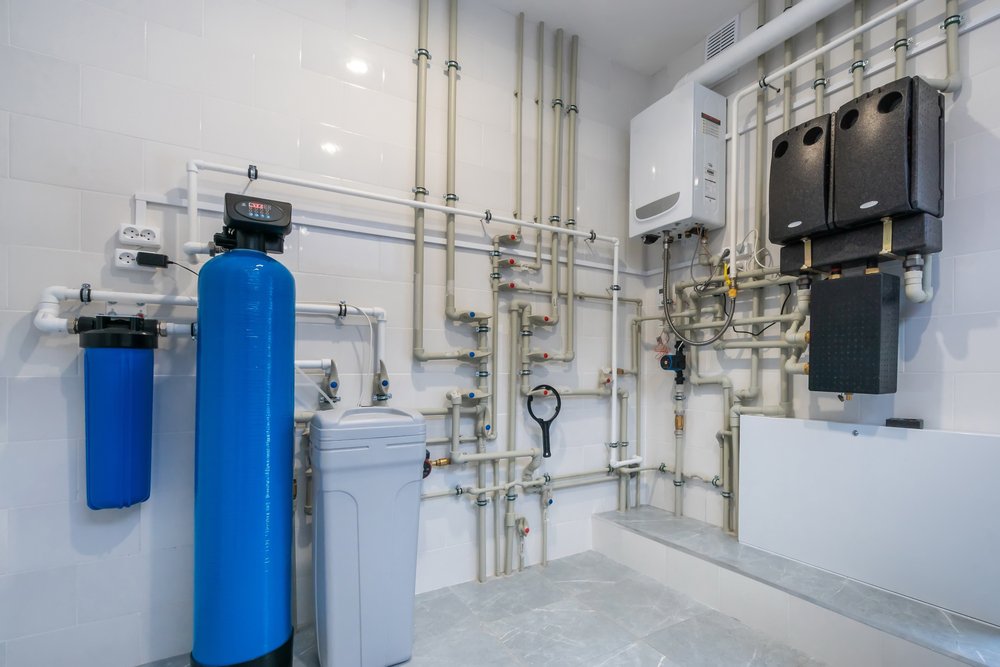
Poor maintenance increases the likelihood of these disruptions. When systems are not monitored and serviced regularly, the chances of sudden failure rise.
Facilities that invest in consistent maintenance practices often experience fewer interruptions and more predictable system performance.
Boiler Safety Challenges During Inspections
Maintenance gaps frequently become apparent during formal inspections. Inspectors evaluate both the physical condition of the boiler and the documentation that supports its operation.
Signs of corrosion, scale buildup, leaks, or malfunctioning safety devices may lead to inspection findings. Incomplete maintenance records can also raise concerns about system oversight.
Preparing for inspections involves more than a last-minute review. Ongoing maintenance practices and clear documentation play a significant role in achieving successful outcomes.
Maintenance as a Foundation for Boiler Safety
Boiler safety depends heavily on consistent and thorough maintenance practices. When maintenance is neglected, risks begin to develop in areas such as structural integrity, pressure control, water quality, and safety device performance.
Facilities that prioritize regular maintenance reduce the likelihood of equipment failure, inspection issues, and operational disruptions. These efforts also support long-term system reliability and improved performance.
If your facility is evaluating its maintenance program or addressing ongoing boiler concerns, Boiler Pros is ready to assist. Our team works alongside you to identify risks, recommend solutions, and support safe boiler operation. Contact us today.