Boiler Safety History
Boilers have powered industries, heated buildings, and supported critical operations for centuries. From hospitals and manufacturing facilities to food packaging plants and airports, these systems remain essential to daily operations. Alongside their usefulness, however, boilers have also carried significant risks when improperly designed, operated, or maintained. The history of boiler safety reflects lessons learned through experience, engineering improvements, and regulatory development.
Over time, these lessons shaped the safety standards and inspection practices that facility managers rely on today. For organizations that depend on steam systems to keep operations running, understanding the evolution of boiler safety helps reinforce why regular maintenance, inspections, and proper system design remain essential.
Early Boiler Use and the Rise of Safety Concerns
During the Industrial Revolution, boilers rapidly became a central source of power for factories, mills, and transportation. Steam engines fueled production and allowed industries to scale output in ways that had never been possible before. Unfortunately, early boiler designs often lacked consistent engineering standards, and many systems were constructed with limited oversight.
These early systems operated under high pressure and were frequently maintained by individuals who had little formal training. As a result, boiler explosions became alarmingly common during the 19th century. Explosions destroyed facilities, caused serious injuries, and in some cases resulted in large-scale loss of life.
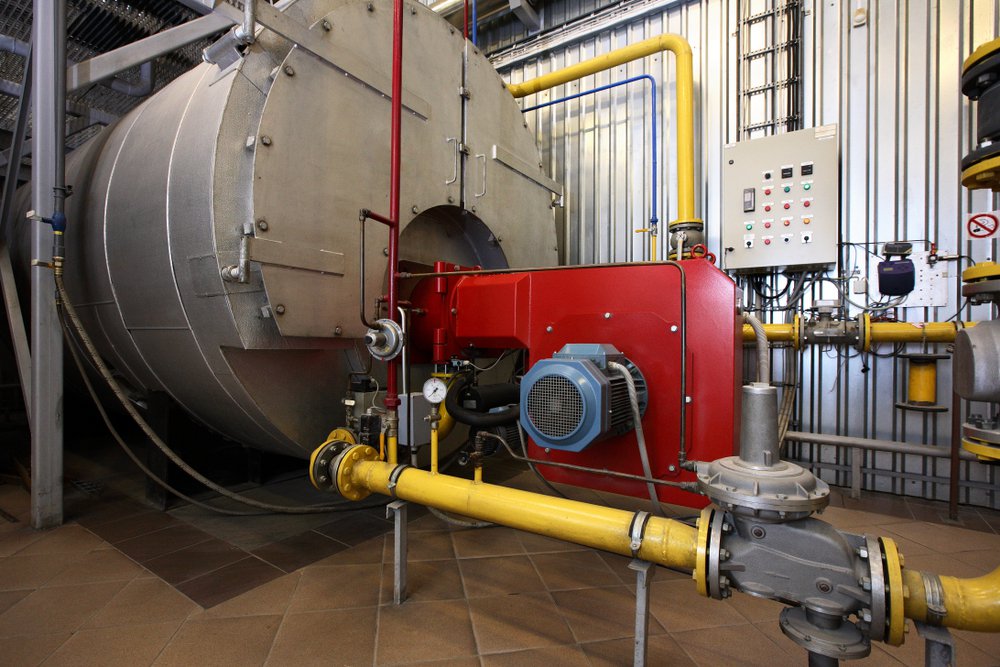
One of the major challenges during this period was inconsistent manufacturing practices. Boilers were often built with varying materials, inconsistent welds, and minimal quality control. Without established design standards or inspection requirements, even well-intentioned operators struggled to maintain safe systems. The growing number of accidents eventually forced industries and governments to take a closer look at boiler safety.
The Birth of Boiler Safety Standards
By the late 1800s and early 1900s, the need for consistent safety standards became clear. Engineers, manufacturers, and regulators began collaborating to develop design codes that would reduce the risk of catastrophic failures.
These early standards focused on several key improvements. Engineers began specifying material requirements to ensure boilers could withstand operating pressures. Construction methods became more standardized, reducing inconsistencies between manufacturers. Safety devices such as pressure relief valves were also introduced to prevent dangerous pressure buildup.
As these safety codes gained adoption, the number of catastrophic boiler explosions began to decline. Facilities gained access to systems that were more reliable, predictable, and easier to maintain. Even with improved designs, however, safe operation still required regular oversight and inspection.
Inspections Become a Critical Safety Tool
As boiler technology improved, regulators recognized that proper inspection would play a major role in maintaining safety over the long term. Boilers operate under intense conditions involving heat, pressure, water chemistry, and mechanical stress. Over time, these forces can degrade components and create conditions that increase the risk of failure.
Routine inspections became the primary way to identify issues before they turned into dangerous problems. Inspectors began evaluating pressure vessels, piping systems, safety valves, and control mechanisms to ensure each component continued to operate safely.
Today, many states require annual boiler inspections to verify safe operation. These inspections help identify corrosion, scaling, worn safety components, and other conditions that could lead to equipment failure if left unaddressed.
Facilities operating boilers in Texas can review the official inspection schedule and requirements through the state’s boiler program. Regular inspections serve two important purposes. They help keep people safe, and they also protect operational continuity by identifying potential issues early.
Advances in Boiler Design and Safety Technology
Over the past century, engineering improvements have significantly strengthened boiler safety. Modern systems benefit from improved materials, advanced fabrication techniques, and more precise control systems.
Today’s boilers typically include automated monitoring systems that track pressure, temperature, and operating conditions in real time. Digital control panels allow operators to detect irregularities quickly and respond before problems escalate.
Safety components have also become more sophisticated. Modern systems include redundant pressure relief valves, improved flame safeguards, and automated shutdown features designed to prevent unsafe operating conditions.
Water treatment programs have also become a central component of boiler safety. Proper water chemistry prevents corrosion, scale buildup, and other conditions that can weaken boiler components over time.
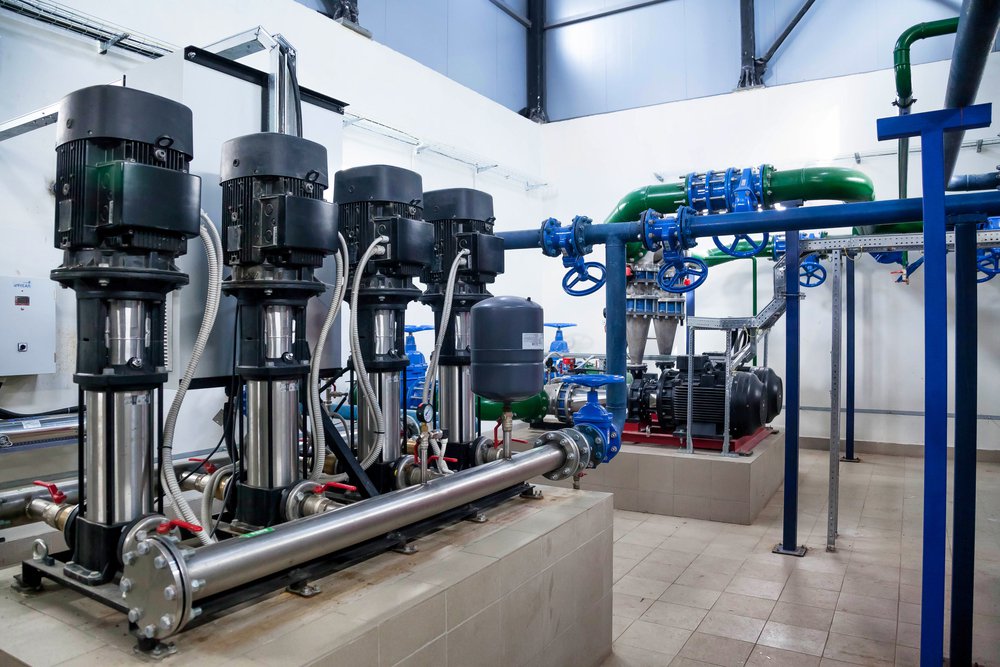
Even with these advancements, boilers remain complex systems that require professional oversight, ongoing maintenance, and careful planning.
Why Boiler Safety Still Matters Today
Boiler accidents are far less common than they were a century ago, but they can still occur when systems are neglected or improperly maintained. Facilities that rely on boilers for production, heating, sterilization, or process operations face serious operational risks if safety practices are ignored.
A boiler failure can halt production lines, disrupt hospital operations, delay packaging schedules, or shut down critical building systems. In severe cases, equipment damage and safety hazards may extend far beyond the mechanical room.
Facility managers play a key role in maintaining safe boiler operations. Routine inspections, proper maintenance schedules, trained operators, and well-designed systems all contribute to long-term reliability.
Safety planning also includes preparing for the unexpected. If a system experiences a failure, having a plan for a temporary steam supply can help prevent extended downtime.
Lessons from Boiler Safety History
The history of boiler safety reflects decades of engineering progress, regulatory development, and operational lessons learned across industries. Early boiler systems lacked consistent standards, which led to serious accidents that shaped the modern safety codes used today. Through improved design, standardized inspections, and better maintenance practices, boilers have become far safer and more reliable.
Even with modern technology, maintaining boiler safety requires ongoing attention. Regular inspections, proper maintenance, and experienced system oversight remain critical for facilities that rely on steam systems to support daily operations.
If your facility is evaluating its boiler system, preparing for inspection, or addressing operational challenges, we are here to help. Our team at Boiler Pros works directly with facility managers to assess systems, identify solutions, and develop practical plans that support safe, reliable operation.
Contact us today to discuss your boiler system and how we can support your team.